
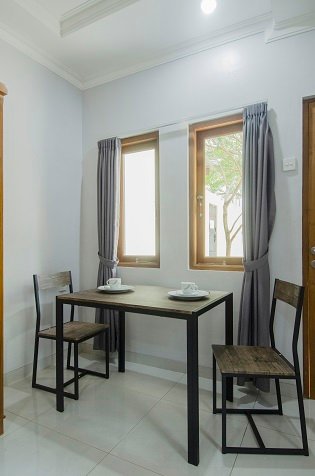
Small dining room ideas often present a variety of challenges that require thoughtful consideration in design. One of the most pressing issues is the limited space available, which can restrict furniture options and layout possibilities. Homeowners may struggle with fitting a dining table that accommodates family and guests while still ensuring there is sufficient room to move around comfortably. This leads to the need for functionality to be prioritized, ensuring the dining area can serve its purpose without compromising on aesthetic appeal. Additionally, awkward layouts can be a common hurdle in small dining spaces. Rooms that are not perfectly rectangular may leave homeowners unsure of how to best position furniture and décor. Corners, doorways, and windows can disrupt the flow of a dining area, making it challenging to create a cohesive and inviting atmosphere. Therefore, identifying the specific layout challenges in a small dining room becomes crucial in the design process, as well-placed furniture can enhance both usability and style.
Furthermore, homeowners often grapple with the necessity of combining modern design principles with practical functionality in their small dining rooms. The desire to incorporate stylish elements such as trendy lighting or chic tableware must coexist with the need for efficient storage solutions, especially in limited spaces. In this context, multifunctional furniture can play a significant role; a extendable dining table or chairs that can be tucked away when not in use are practical solutions to maximize space. Understanding these challenges allows homeowners to explore design solutions that offer a harmonious blend of functionality and style, essential in modern small dining room design.
Embracing Open-Concept Living
Open-concept living is a design framework that seamlessly integrates various spaces within a home, particularly the dining area, living room, and kitchen. This layout not only fosters an inviting atmosphere but also enhances the spatial perception of smaller homes, giving them an illusion of being larger. By eliminating physical barriers such as walls, open-concept designs create a sense of flow and connectivity between different functional areas, which is essential in compact spaces.
One of the primary benefits of an open-concept dining room is the ability to multitask and engage with family or guests across different areas. For instance, someone preparing food in the kitchen can easily converse with those seated at the dining table. To maximize the impact of this layout, careful attention must be given to furniture arrangement. Opt for lightweight, versatile pieces that can be easily moved around. A round dining table can facilitate a more social setting and is often more space-efficient than rectangular alternatives.
Color schemes play a crucial role in such designs; lighter shades can help to reflect natural light, thus enhancing the feeling of spaciousness. When selecting a palette, consider soft hues for walls that flow into adjacent rooms, which aids in creating a seamless transition throughout the home. Incorporating cohesive decor elements, such as coordinating fabrics or similar materials in furniture, can further unify the spaces.
In summary, the open-concept design not only transforms a dining area but also redefines how space is perceived in smaller homes. By adjusting furniture, color, and decor whilst ensuring harmony across the spaces, homeowners can create a welcoming yet practical living environment.
Choosing the Right Furniture for Small Spaces
When designing a dining room within the confines of a small home, the selection of furniture becomes a crucial factor that directly influences both aesthetics and functionality. It is essential to choose appropriately sized pieces that complement the limited space without overwhelming it.
One of the primary considerations is the shape and size of the dining table. Round tables are often favored in small dining areas as they can facilitate easier movement and promote a more intimate dining experience. They provide the flexibility to accommodate more guests while creating a flowing ambiance. In contrast, rectangular tables can also work well in narrow spaces, especially when placed against a wall. A drop-leaf table acts as a versatile option, allowing homeowners to extend the space when needed, while keeping it compact during quieter moments.
The choice of chairs is equally important. Space-saving chairs that can be easily tucked under the table will help maximize floor space. Look for stackable or foldable options that provide comfortable seating without taking up room when not in use. Additionally, chairs with a slender design might fit the overall minimalistic approach that complements a small dining area.
Multifunctional furniture pieces are a smart investment for those residing in small spaces. For instance, an ottoman can serve as extra seating or a decorative accent, while storage benches provide practicality without compromising style. Furthermore, utilizing wall-mounted shelves or built-in cabinetry can keep items organized while maintaining an open and airy feel.
By carefully selecting furniture tailored to the specific dimensions and needs of your dining area, you can effectively enhance the overall design while ensuring that it meets both aesthetic appeal and functional requirements. The right choices can transform a compact space into a cohesive and inviting dining experience.
Color Schemes and Lighting Solutions
In the realm of small dining room design, the choice of color schemes and effective lighting solutions plays a pivotal role in creating an illusion of space and heightened ambiance. Selecting the right color palette can significantly influence how spacious and inviting the room feels. Light hues, such as soft pastels or crisp whites, are often recommended, as they reflect natural light and give the impression of a larger area. For instance, a fresh coat of soft gray or a pale beige can effectively open up the room, making it feel airier and more expansive.
In contrast, darker colors can sometimes contribute to a cozy atmosphere but may inherently compress the perceived space. If dark tones are desired, consider utilizing them as accent walls, while keeping the remaining surfaces in lighter shades. This strategy can help maintain an inviting feel while allowing for personal expression and style within the dining space.
Moreover, innovative lighting solutions can significantly enhance both the functionality and ambiance of small dining rooms. Layered lighting, which combines ambient, task, and accent lighting, can help establish a multi-dimensional atmosphere. For instance, pendant lights suspended over the dining table can provide focused illumination while adding a decorative touch. Complementing this with wall sconces or recessed lighting can help distribute light evenly, eliminating dark corners that may make the space feel smaller.
Additionally, utilizing mirrors strategically within the room can amplify natural light and create a vibrant visual effect, further enhancing the perception of openness. The integration of both thoughtfully chosen color schemes and innovative lighting solutions is instrumental in transforming a small dining room into a more spacious and inviting environment, thereby enhancing the overall dining experience.
Maximizing Vertical Space in Small Dining Rooms
In small homes, optimizing every inch of space is crucial, and this is especially true for dining areas. By making effective use of vertical space, one can create a more functional and visually appealing environment. Vertical space refers to the area above the floor level, which often remains underutilized in small dining rooms. Integrating vertical designs can enhance both storage options and aesthetic appeal.
One of the most straightforward approaches to maximizing vertical space is to install wall-mounted shelves. These shelves can showcase decorative items, plants, or even books, bringing personality to the dining space while providing practical storage solutions. By selecting shelves that align with your overall design aesthetic, such as minimalist wood or sleek metal, you can create a sense of cohesion throughout the room.
Additionally, art displays can serve as both functional and decorative elements in vertical space utilization. Utilizing the walls to hang art pieces or framed photographs elongates the visual perception of the room. Consider arranging a gallery wall that includes various sizes and styles of art, which adds texture and interest. This not only maximizes the vertical area but also transforms empty walls into eye-catching features.
Alternatively, implementing clever storage solutions such as tall cabinets can significantly enhance your small dining area. Opt for cabinets that reach up to the ceiling to take full advantage of vertical height, ensuring you utilize every bit of available space. Glass-fronted cabinets can further enhance the perception of openness while allowing for visibility of decorative items. Employing these strategies will create a balanced environment that feels spacious even in smaller layouts.
Incorporating Mirrors for Visual Depth
In the realm of modern dining room design for small homes, mirrors serve as invaluable tools for enhancing both aesthetic and spatial qualities. They possess the remarkable ability to create the illusion of a larger area, effectively doubling the perceived space while also amplifying natural light. When strategically placed, mirrors can transform even the most compact dining settings into airy and inviting environments.
To harness the benefits of mirrors in small dining areas, consider their placement carefully. Position mirrors across from windows or light sources to maximize light reflection, thereby uplifting the overall ambiance. This placement not only brightens the space but also draws the eye upwards, fostering an illusion of height and openness. Additionally, mirrors can be utilized as focal points, providing a sophisticated backdrop to dining furniture without overwhelming the limited space.
When selecting a mirror design, opt for styles that complement modern aesthetics, such as geometric shapes or framed mirrors that feature sleek, minimalist frames. Round or oval mirrors can soften angular dining room features, while larger, statement mirrors can create a dramatic effect, amplifying the visual depth. Using a cluster of smaller mirrors can also create a unique gallery wall that enhances the sense of dimension and personalizes the dining experience.
Ultimately, the thoughtful incorporation of mirrors into small dining rooms not only showcases the beauty of modern design but also elevates the functionality of the space. By cleverly utilizing mirrors, homeowners can achieve a chic, expansive feel that is both stylish and practical, making it an essential consideration in dining room layouts for smaller homes.
Adding Personal Touches with Decor
In small dining room ideas areas, the challenge often lies in achieving a balance between personal expression and the need for spatial organization. Thoughtfully curated decor can significantly enhance the ambiance of a compact space without creating a cluttered environment. One effective approach is to integrate decorative elements that resonate with the homeowner’s personal style while ensuring each item serves a purpose.
Plants are an excellent choice for adding vibrancy to a dining room. Consider using small potted herbs on the table or a hanging planter to introduce greenery without taking up valuable space. These natural elements not only beautify the area but can also add functionality, as fresh herbs can be used in everyday cooking. Meanwhile, wall-mounted planters or shelves can help in utilizing vertical space while displaying various plants.
Artwork is another powerful way to infuse personality into a small dining area. Rather than opting for oversized pieces, consider a series of smaller framed art, arranged creatively on one wall. This personalized gallery can become a focal point, allowing for visual interest without overwhelming the space. Additionally, incorporating meaningful photographs or prints can evoke fond memories and spark conversation during meals.
Textiles offer an opportunity to blend colors and textures that reflect individual taste. A stylish table runner or unique placemats can introduce a touch of warmth and elegance. Moreover, curtains or wall hangings that feature distinct patterns can delineate the dining area from the rest of the home, providing both privacy and style. By selecting textiles that harmonize with the overall color scheme, the space can appear cohesive and inviting.
Ultimately, the key is to curate decor pieces that are meaningful and functional, ensuring that the dining area remains stylish yet uncluttered. Thoughtful choices in plants, artwork, and textiles contribute to a vibrant atmosphere, reflecting the uniqueness of the homeowner’s personality while maintaining an organized and welcoming dining experience.
Creative Table Setting Ideas
In a small dining room ideas area, the way a table is set can transform the entire ambiance, making it more inviting and visually appealing. A well-thought-out table setting not only enhances the dining experience but also adds character to the space. Here are some creative ideas to consider when arranging your table.
For seasonal themes, consider selecting tableware and linens that reflect the current season. In the fall, rich colors like deep oranges and warm browns can be paired with rustic wood serving dishes. During the spring and summer months, fresh florals and pastel hues can bring a sense of lightness to the table. Incorporating seasonal décor, such as mini pumpkins in autumn or vibrant blooms in spring, can establish a theme that elevates the dining experience.
The choice of color combinations plays a crucial role in creating an inviting table setting. For a cohesive look, select a primary color around which to build the table decor. For example, a monochromatic scheme using varying shades of blue can be both soothing and sophisticated, while contrasting colors like navy and gold can add a touch of elegance. Do not shy away from using textured table runners or placemats to add depth, but remember to keep patterns to a minimum to avoid overwhelming the small space.
Taking a minimalistic approach can be particularly effective in small homes. Less is often more, especially when dealing with limited space. Opt for simple dinnerware and utensils, and limit the number of decorative items on the table. A single vase with fresh flowers or a few tasteful candles can provide the right amount of charm without cluttering the area. Additionally, stack plates and utensils strategically to save space, while still keeping everything accessible.
Real-Life Examples of Small Dining Room Designs
When it comes to modern small dining room designs, real-life case studies provide invaluable insight into how effective design strategies can transform limited spaces. For instance, a small apartment in a metropolitan area opted for a minimalist approach, utilizing a round dining table that maximizes space while fostering an intimate dining experience. The use of light colors on the walls combined with strategically placed mirrors has created an illusion of depth, making the room feel more expansive than its actual dimensions.
Another inspiring example is a compact dining area that was rejuvenated through the incorporation of multifunctional furniture. A built-in bench along one wall not only serves as extra seating but also offers storage underneath for table linens and dinnerware. This clever design choice highlights the importance of dual-purpose furniture in small dining rooms, proving that functionality does not have to compromise aesthetics.
In a contrasting style, a Victorian-era home embraced its rich historical architecture while making adaptations for contemporary living. The homeowners painted their original wood table a bright white, refreshing the entire dining area’s appeal. They complemented this with modern chairs made of transparent acrylic, which allows for visibility through the space, thus further enhancing the room’s openness. Such choices demonstrate how blending vintage elements with modern design can yield remarkable results.
Visual representation through before-and-after images significantly underscores these design transformations. For example, one dining nook that once featured heavy, dark furnishings was revitalized with lighter materials and bursts of color through wall art and table settings. The careful selection of decorative elements and strategic layouts make a noticeable difference, proving that small details can have a large impact in a confined area.