
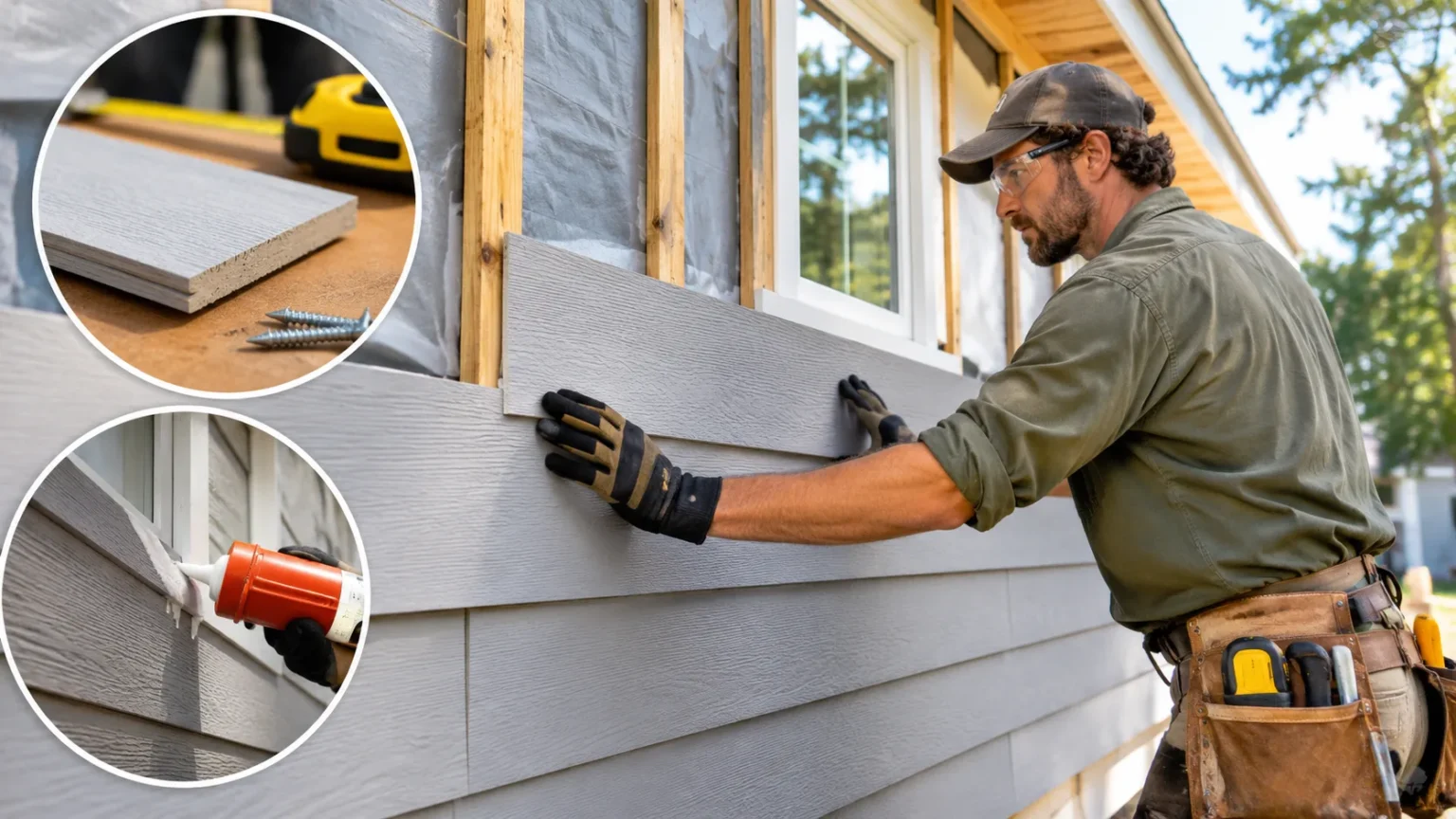
Cement board siding is a popular exterior cladding material because of its durability, attractive appearance, and resistance to many environmental challenges. However, choosing the wrong product, hiring inexperienced installers, or neglecting maintenance can lead to expensive repairs. Understanding common siding mistakes helps homeowners protect their investment and maintain a beautiful exterior for years.
Many homeowners select cement board siding because it resembles traditional wood without requiring the same level of routine upkeep. Although fiber cement products are designed for long-lasting performance, their installation requires proper planning, moisture management, and attention to manufacturer specifications. Even small construction mistakes can affect the siding’s appearance and durability.
This guide explains how cement board siding works, common installation problems, material costs, maintenance requirements, and practical ways to avoid expensive mistakes. Whether you are building a new home or replacing existing siding, these insights will help you make informed decisions and achieve better long-term results.
What Is Cement Board Siding?
Cement board siding is an exterior cladding material commonly made from cement, cellulose fibers, sand, and other reinforcing ingredients. It is often referred to as fiber cement siding and is manufactured in different styles, including horizontal planks, shingles, and large panels. These products provide a durable exterior finish that can imitate traditional wood, stone, or contemporary architectural surfaces.
Unlike natural wood siding, fiber cement does not provide a food source for termites and is generally resistant to rot when installed correctly. It also offers strong dimensional stability compared with some other exterior materials. However, the boards are relatively heavy and require proper handling, approved fastening systems, and suitable moisture-management details.
Cement board siding is commonly used on residential homes, commercial buildings, and renovation projects. Homeowners appreciate its clean appearance, variety of colors, and compatibility with several architectural styles. Despite these advantages, successful performance depends on product selection, proper installation, and following the manufacturer’s published requirements throughout the project.
Why Homeowners Choose Cement Board Siding
Durability is one of the main reasons homeowners consider cement board siding for exterior renovations. When installed and maintained correctly, quality fiber cement products can provide decades of useful service. Their composition offers resistance to insects, rot, and many common weather-related problems that may affect less durable cladding materials.
Another important benefit is design flexibility. Cement board siding is available in smooth finishes, wood-grain textures, traditional lap profiles, and modern vertical panels. This variety allows homeowners to achieve different exterior appearances without relying exclusively on natural wood or other materials that may have different maintenance requirements.
Fire performance can also influence material selection, particularly in areas where exterior wall construction must meet strict building requirements. Many fiber cement products are classified as noncombustible under applicable testing standards. However, the performance of the complete wall assembly still depends on installation details, surrounding materials, and local building regulations.
Common Cement Board Siding Mistakes That Cost Money
One expensive mistake is purchasing siding without checking whether it suits the home’s climate and wall construction. Different products have specific installation requirements, fastening limitations, and clearance recommendations. Selecting materials based only on appearance or initial cost can create complications when those products are installed in unsuitable conditions.
Poor installation is another major source of avoidable expenses. Incorrect fasteners, inadequate flashing, improper joint treatment, and missing moisture-control components can contribute to premature damage. These problems may remain hidden until stains, movement, or moisture-related deterioration become visible, making repairs more complicated and costly.
Homeowners also make mistakes when they overlook routine inspections after installation. Small cracks, damaged sealant, and blocked drainage paths can develop into larger concerns if ignored. Establishing a maintenance routine and addressing defects promptly helps reduce unexpected repair costs while preserving the siding’s appearance and protective function.
Choosing the Wrong Cement Board Siding Material
Not every fiber cement siding product offers identical characteristics or installation requirements. Boards differ in thickness, dimensions, surface texture, factory coatings, and approved applications. Selecting the wrong product can affect the finished appearance, installation complexity, and compatibility with the home’s underlying wall structure.
Some homeowners purchase large siding panels without considering transportation, handling, and installation requirements. Oversized panels can be difficult to position, especially on multi-story buildings or walls with numerous openings. Professional installers may need additional labor or specialized handling equipment, increasing overall project expenses beyond the original material estimate.
Before purchasing, review the manufacturer’s technical documentation and warranty conditions. Confirm that the selected siding is approved for the intended application and compatible with the planned installation method. Comparing complete product specifications rather than appearance alone helps homeowners avoid unsuitable materials and unnecessary replacement costs.
Ignoring Proper Moisture Protection Behind Siding
Moisture management is essential for the long-term performance of exterior wall systems. Although cement board siding resists many forms of weather exposure, it is not a substitute for a properly designed water-resistive barrier. Rainwater can reach spaces behind the cladding through joints, openings, and other vulnerable exterior details.
A suitable wall assembly typically includes a water-resistive barrier, appropriate flashing, and drainage provisions designed for the building. These components work together to direct water away from vulnerable materials. Requirements vary according to product instructions, local building codes, and the type of wall construction involved.
Ignoring moisture protection can allow water to affect sheathing, insulation, framing, and interior finishes. Repairs may require removing otherwise usable siding to access damaged materials underneath. Proper moisture-control planning during construction is generally more economical than correcting widespread hidden deterioration after the exterior has been completed.
Incorrect Cement Board Siding Installation Techniques
Improper installation can significantly reduce the expected performance of fiber cement siding. Common problems include incorrect board spacing, unsuitable fastening methods, and failure to follow manufacturer requirements around openings. These mistakes may cause visible gaps, cracking, loose boards, or unwanted movement as the building experiences seasonal changes.
Fiber cement products also require careful handling because they can crack or chip when subjected to unsuitable forces. Installers must use manufacturer-approved cutting, fastening, and handling practices. Cutting cement-based products can generate respirable crystalline silica dust, so appropriate exposure controls and professional safety procedures are essential.
Hiring qualified installers helps reduce the likelihood of avoidable construction defects. Experienced contractors should understand the selected manufacturer’s installation instructions and applicable local building requirements. Homeowners can request evidence of relevant experience, insurance coverage, and previous projects before committing to a siding installation contract.
Choosing the Wrong Fasteners and Accessories
Fasteners play an important role in securing cement board siding to the building structure. Using unsuitable nails, screws, or other attachment components can compromise the installation. Manufacturers specify approved fastening methods based on siding type, supporting materials, structural requirements, and environmental conditions.
Corrosion resistance is particularly important in coastal areas and locations exposed to high moisture levels. Incompatible fasteners may deteriorate over time, potentially creating stains or reducing attachment reliability. Selecting products that meet the siding manufacturer’s specifications and relevant building standards helps prevent these avoidable problems.
Trim pieces, flashing materials, joint accessories, and sealants also need careful consideration. Products that are unsuitable for fiber cement applications may deteriorate or interfere with required movement and drainage. A complete siding system should use compatible components rather than relying on inexpensive substitutes that could compromise long-term performance.
Overlooking Expansion Gaps and Installation Clearances
Proper spacing and clearances are important because exterior siding systems must accommodate environmental exposure and building movement. Manufacturers establish specific requirements for joints, transitions, and separation from surrounding surfaces. Ignoring these details can contribute to moisture accumulation, contact damage, or visible installation defects.
Clearances near the ground, roofing surfaces, patios, and other horizontal areas require particular attention. Siding positioned too close to soil or standing water may experience increased moisture exposure. The exact clearance distances depend on the selected product and its installation instructions, so assumptions should never replace documented requirements.
Window frames, door openings, corners, and roof intersections also require carefully designed transitions. These locations often combine movement, drainage, and weatherproofing requirements. Following approved installation details helps maintain the protective function of the wall assembly while reducing the risk of premature siding deterioration.
Poor Flashing Around Windows and Doors
Windows and doors create interruptions in the exterior cladding that require reliable water-management details. Rainwater can collect around openings and potentially enter the wall assembly when flashing is missing or incorrectly installed. Cement board siding cannot compensate for defective flashing or inadequate waterproofing around these vulnerable areas.
Proper window and door integration involves coordinating flashing with the water-resistive barrier and surrounding cladding. The details must direct water outward instead of trapping it behind the siding. Requirements depend on window design, building construction, manufacturer instructions, and applicable building codes.
Signs of flashing problems may include staining, recurring dampness, damaged interior finishes, or moisture-related deterioration near openings. These symptoms should be investigated rather than covered with paint or additional sealant. Correcting the underlying water-entry problem is essential to prevent recurring damage and more expensive repairs.
Selecting the Wrong Paint or Exterior Finish
The surface finish influences both the appearance and maintenance requirements of cement board siding. Many products come with factory-applied coatings, while others require approved field painting. Choosing incompatible paints or coatings may reduce adhesion, create an uneven appearance, or conflict with manufacturer warranty conditions.
Factory-finished siding can provide consistent color application under controlled manufacturing conditions. Field-painted products offer flexibility when homeowners want specific colors or future design changes. However, proper surface preparation, compatible coatings, and suitable weather conditions are important for achieving a durable exterior finish.
Avoid painting damaged or moisture-affected siding before identifying the underlying problem. New paint may temporarily improve the appearance without correcting deterioration beneath the coating. Following manufacturer-approved finishing instructions helps maintain color consistency, protect exposed surfaces, and reduce unnecessary repainting expenses.
Failing to Seal and Maintain Vulnerable Joints
Joint treatment is an important part of many fiber cement siding systems, but not every joint should be sealed. Manufacturers may specify approved caulking, flashing, joint covers, or other arrangements depending on the product. Applying sealant where drainage is required can trap moisture and interfere with the intended wall design.
Where sealant is required, using an unsuitable product may lead to cracking, separation, or premature deterioration. Exterior movement, sunlight, and weather exposure can gradually affect sealant performance. Homeowners should inspect accessible joints periodically and follow manufacturer recommendations when repairs or replacement become necessary.
Never assume that applying more caulk automatically improves weather protection. Excessive or incorrectly placed sealant can conceal problems and obstruct drainage paths. Proper joint maintenance focuses on preserving the approved installation details rather than attempting to make every visible opening completely airtight or watertight.
How Much Does Cement Board Siding Cost?
Cement board siding costs vary based on material quality, board style, location, installation complexity, and labor rates. Large panels, textured finishes, and specialized architectural details can increase project expenses. The overall price also depends on whether the work involves a new building or replacement of existing exterior cladding.
Labor often represents a significant portion of the total installation budget. Fiber cement products are relatively heavy, and proper installation requires careful measurements, handling, flashing, and fastening. Multi-story homes, complicated rooflines, and difficult access conditions may increase labor requirements compared with simple single-story wall surfaces.
When comparing contractor estimates, request a detailed breakdown of materials, labor, preparation, disposal, and finishing work. Also consider the potential cost of repairing damaged sheathing or other hidden conditions discovered during replacement. Evaluating complete project expenses helps homeowners avoid misleadingly low estimates and unexpected financial surprises.
How to Avoid Hidden Siding Installation Costs
Unexpected expenses often arise when homeowners begin a siding project without evaluating the condition of the existing exterior. Removing old cladding may reveal damaged sheathing, deteriorated framing, or previous moisture problems. These issues can require additional repairs before the new cement board siding is installed correctly.
A thorough pre-installation assessment helps identify potential problems before major construction begins. Contractors should examine visible wall conditions, existing flashing, openings, and structural concerns within the scope of the project. Although some hidden damage cannot be confirmed until removal starts, proper planning reduces the likelihood of avoidable surprises.
Written contracts are equally important for controlling expenses. Ensure the agreement clearly identifies materials, installation responsibilities, project milestones, warranty coverage, and procedures for approving additional work. A reasonable contingency budget can also help homeowners manage unforeseen repairs without sacrificing important construction or moisture-protection requirements.
Cement Board Siding vs Vinyl Siding
Cement board siding and vinyl siding are popular exterior materials, but they have different characteristics. Fiber cement is typically heavier and provides a rigid exterior surface with various architectural textures. Vinyl siding is generally lighter and may have lower initial installation costs, depending on the product and local labor conditions.
Maintenance requirements also differ between the two materials. Vinyl siding does not usually require painting, while fiber cement may eventually need refinishing depending on its coating system. Both materials benefit from regular cleaning, inspections, and appropriate installation details that manage moisture behind the exterior cladding.
The better option depends on climate, budget, appearance preferences, and applicable building requirements. Fiber cement may appeal to homeowners prioritizing a particular architectural appearance or noncombustible cladding material. Vinyl may suit projects where lower weight and reduced initial expenses are important, provided the selected product meets local performance requirements.
Cement Board Siding vs Traditional Wood Siding
Traditional wood siding provides a natural appearance that many homeowners appreciate. However, wood can be vulnerable to insects, decay, and moisture-related deterioration without proper protection. Fiber cement offers a wood-inspired appearance while avoiding some of the biological vulnerabilities associated with natural timber.
Wood siding also has different maintenance requirements. Depending on the species, finish, and climate, it may require regular painting, staining, or protective treatments. Fiber cement products can reduce certain maintenance demands, although they still need cleaning, inspections, and occasional coating maintenance when specified by the manufacturer.
Installation costs and environmental considerations can vary considerably between the two materials. Wood may be easier to modify during certain construction activities, while fiber cement requires compatible handling and installation methods. Homeowners should compare local availability, product specifications, service-life expectations, and complete maintenance costs before selecting either option.
How to Maintain Cement Board Siding Properly
Regular maintenance helps protect the appearance and performance of cement board siding. Inspect exterior surfaces for visible damage, loose components, coating deterioration, and changes around doors or windows. Early identification of potential problems allows homeowners to arrange appropriate repairs before defects become more extensive.
Cleaning should follow the siding manufacturer’s recommended methods. A soft brush, clean water, and approved mild cleaning products may be suitable for removing ordinary dirt. Avoid aggressive pressure washing or abrasive cleaning methods unless specifically permitted, because excessive force can damage coatings or drive moisture into vulnerable wall areas.
Pay attention to gutters, downspouts, landscaping, and other features that influence moisture exposure near the siding. Blocked gutters or poorly directed drainage may increase water contact with exterior walls. Maintaining these surrounding components helps support the siding system and reduces unnecessary exposure to conditions that can accelerate deterioration.
Signs Your Cement Board Siding Needs Repair
Visible cracks, broken edges, loose boards, and unusual gaps may indicate that siding repairs are necessary. Some problems result from accidental impacts, while others may reflect installation defects or movement within the building. Identifying the cause is important because replacing a damaged board may not resolve an underlying structural issue.
Discoloration, peeling paint, and persistent staining can also indicate maintenance concerns. These symptoms do not always mean the siding itself has failed, but they may reveal moisture exposure or coating problems. Inspect surrounding drainage conditions and seek professional assessment when damage appears to be recurring or widespread.
Prompt repairs can help prevent relatively small problems from developing into major expenses. Homeowners should document visible defects and consult qualified contractors when the cause is uncertain. Following manufacturer-approved repair procedures is particularly important when replacement boards, coatings, or weatherproofing components are involved.
How to Choose the Right Cement Board Siding Contractor
Selecting an experienced contractor is one of the most effective ways to avoid expensive siding mistakes. Look for professionals who have completed similar fiber cement projects and understand the selected manufacturer’s installation requirements. Relevant experience is especially valuable when the home includes complicated wall intersections, multiple stories, or unusual architectural features.
Request detailed written estimates from qualified contractors and compare the proposed scope of work. A reliable estimate should identify materials, preparation requirements, flashing details, disposal arrangements, and finishing responsibilities. Extremely low bids deserve careful evaluation because essential construction components may have been omitted from the original proposal.
Ask about licensing where required, insurance coverage, workmanship warranties, and communication during construction. References from completed projects can also provide useful insight into reliability and installation quality. A contractor who explains project requirements clearly and documents important decisions can help reduce misunderstandings and costly corrections.
How Long Does Cement Board Siding Last?
Quality cement board siding can provide several decades of service when installed and maintained appropriately. Some manufacturers offer warranties lasting multiple decades, although warranty length does not guarantee a specific service life. Actual performance depends on product quality, environmental exposure, installation methods, and ongoing maintenance.
Coatings and sealants may require attention before the siding material itself reaches the end of its useful life. Factory finishes, field-applied paint, and exterior sealants have different maintenance schedules. Understanding these differences helps homeowners budget for future upkeep rather than assuming the entire exterior will remain maintenance-free.
Climate also influences long-term performance. Buildings exposed to heavy rainfall, coastal conditions, intense sunlight, or repeated freezing and thawing may experience different maintenance demands. Proper drainage, suitable construction details, and regular inspections help the siding system perform as intended under the conditions specific to each property.
Tips to Get the Best Value From Cement Board Siding
Getting good value from cement board siding begins with selecting a product suited to your home’s design and environmental conditions. Compare manufacturer specifications, warranty terms, finish options, and installation requirements before choosing materials. A well-matched product can reduce unnecessary complications and support a more predictable long-term maintenance plan.
Professional installation should receive the same attention as material quality. Even premium siding may perform poorly when flashing, fastening, or drainage details are incorrect. Investing in qualified installation and appropriate moisture-management components is generally more valuable than reducing upfront costs by omitting essential construction requirements.
Finally, establish a maintenance routine that includes periodic inspections, appropriate cleaning, and timely repairs. Keep product documentation, warranty records, and contractor information for future reference. These simple steps help homeowners protect their investment and make informed decisions when maintenance, repainting, or exterior renovations become necessary.
Conclusion
Cement board siding can be an excellent exterior cladding choice for homeowners seeking durability, attractive design options, and resistance to common material problems. However, its long-term performance depends on proper product selection, installation, and maintenance. Avoiding common mistakes helps reduce expensive repairs and protects the appearance of the home’s exterior.
Pay particular attention to moisture management, approved fasteners, installation clearances, flashing, and compatible finishing products. Hire experienced contractors who understand manufacturer requirements and applicable building regulations. Taking these precautions during the planning and installation stages can prevent problems that are difficult and costly to correct later.
With thoughtful planning and consistent care, fiber cement siding can provide lasting value for residential properties. Regular inspections, suitable cleaning methods, and prompt repairs help preserve its performance over time. Making informed decisions from the beginning is the most effective way to avoid unnecessary expenses and maintain a dependable exterior.
Frequently Asked Questions
What Is the Biggest Problem With Cement Board Siding?
Improper installation and poor moisture management are among the most serious concerns. Missing flashing, unsuitable fasteners, and incorrect clearances can allow damage to develop, potentially resulting in expensive repairs to siding and underlying wall materials.
Is Cement Board Siding Better Than Vinyl Siding?
Cement board siding offers a rigid surface, diverse architectural finishes, and strong fire-performance characteristics. Vinyl siding is generally lighter and may cost less initially. The best choice depends on budget, climate, appearance preferences, and installation requirements.
How Many Years Does Cement Board Siding Last?
Quality fiber cement siding can last several decades with proper installation and maintenance. Actual service life depends on environmental exposure, product specifications, moisture protection, and regular upkeep, while paint and sealants may require earlier attention.
Does Cement Board Siding Need to Be Painted?
Some fiber cement siding comes with factory-applied finishes, while other products require field painting. Repainting needs depend on coating condition, environmental exposure, and manufacturer recommendations rather than a universal maintenance schedule.
Is Cement Board Siding Worth the Investment?
Cement board siding can provide good long-term value because of its durability, design versatility, and resistance to insects and rot. However, homeowners should compare total installation costs, maintenance requirements, and contractor quality before purchasing.