
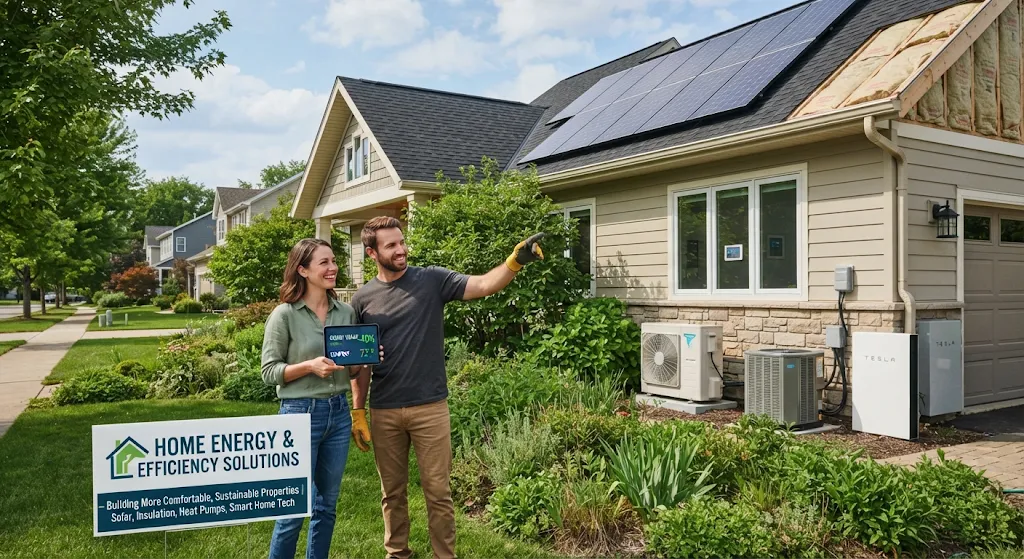
Understanding the Importance of Home Energy Efficiency
Energy efficiency involves using less energy to achieve the same level of comfort and functionality. It includes everything from improving insulation and upgrading heating and cooling equipment to installing renewable energy systems and choosing energy-efficient appliances.
For homeowners, better energy management can lead to lower monthly electricity bills, more consistent indoor temperatures, and reduced dependence on traditional power sources. Businesses can also benefit from efficient energy systems by controlling operating expenses and creating more comfortable environments for employees and customers.
A comprehensive approach is often more effective than making isolated upgrades. When different systems work together, property owners can improve overall performance and avoid unnecessary energy waste.
Solar Panels and Battery Storage for Reliable Energy
Solar energy is one of the most practical ways to reduce dependence on conventional electricity. Solar panels convert sunlight into usable electricity, helping properties generate a portion of their own energy instead of relying entirely on the utility grid.
However, solar installation is only one part of maintaining an effective renewable energy system. Battery storage adds another level of flexibility by allowing excess electricity generated during the day to be stored for later use. This stored energy can help supply electricity during evening hours, periods of high demand, or certain power interruptions.
Regular inspections and professional maintenance are also important. Solar Service and Repair can help identify damaged components, electrical issues, reduced panel performance, and other problems that may affect system efficiency. Keeping solar equipment properly maintained helps protect the investment and supports consistent energy production.
Heating and Cooling Systems That Improve Indoor Comfort
Heating, ventilation, and air conditioning systems play a significant role in residential and commercial energy consumption. Older equipment, neglected maintenance, and inefficient temperature settings can increase electricity usage while making indoor environments less comfortable.
Modern HVAC systems are designed to provide better temperature control while using energy more efficiently. Features such as programmable thermostats, variable-speed technology, and improved filtration can contribute to better indoor conditions and reduced operating costs.
For property owners researching san diego heating and cooling, choosing an experienced service provider is important. Professional HVAC installation, maintenance, and repairs help ensure equipment is properly sized and operating according to the property’s requirements.
Simple improvements can also make a difference. Replacing air filters regularly, sealing air leaks, cleaning vents, and scheduling seasonal inspections can help heating and cooling equipment operate more efficiently throughout the year.
Roofing Solutions and Their Role in Energy Conservation
Roofing is another important consideration when developing an energy-efficient property. A roof protects a building from external weather conditions, but its design and materials can also influence indoor temperatures and overall energy consumption.
Poor insulation, damaged roofing materials, and inadequate ventilation can allow unwanted heat to enter or escape a building. As a result, heating and cooling systems may need to work harder to maintain comfortable indoor temperatures.
Energy-conscious roofing improvements can include reflective roofing materials, appropriate insulation, ventilation upgrades, and professional roof repairs. These measures help regulate indoor temperatures and reduce unnecessary energy demand.
Combining roofing improvements with an efficient HVAC system can create a more balanced indoor environment while supporting long-term property maintenance.
Water Filtration and Electrical Services
Energy efficiency is not limited to electricity generation and temperature control. Water quality and electrical infrastructure are also important parts of maintaining a reliable property.
Water filtration systems help reduce unwanted contaminants, improve water quality, and provide cleaner water for everyday activities. Depending on the system selected, filtration solutions can address concerns involving sediment, chlorine, and other impurities.
Electrical services are equally important because modern properties depend on safe and dependable electrical systems. Professional electrical inspections, repairs, panel upgrades, and wiring improvements can help support new appliances, solar installations, battery storage, and other energy-efficient technologies.
When these services are planned together, homeowners and businesses can create a more coordinated property improvement strategy instead of managing separate upgrades without considering how they affect one another.
Why Integrated Home Energy Solutions Matter
One of the biggest challenges property owners face is finding reliable professionals for different home improvement and energy requirements. Managing solar installations, HVAC repairs, roofing projects, water filtration, and electrical work through separate providers can make planning more complicated.
Integrated home energy solutions simplify this process by bringing multiple services together under a coordinated approach.
Baker Home Energy is an example of a company offering this type of comprehensive service. By working across solar energy, battery storage, heating and cooling, roofing, water filtration, and electrical systems, the company helps homeowners and businesses address several important property needs.
This approach can offer several advantages:
- Better energy management: Coordinated systems can help reduce unnecessary energy consumption and improve overall efficiency.
- Improved indoor comfort: Properly maintained HVAC equipment, roofing, and insulation contribute to more consistent indoor temperatures.
- Long-term financial savings: Energy-efficient upgrades can help lower utility expenses and reduce maintenance costs over time.
- Greater system reliability: Professional installation and ongoing maintenance help identify potential problems before they become more serious.
- Simplified project management: Access to multiple related services can make property upgrades easier to plan and coordinate.
Practical Ways to Improve Energy Efficiency
Property owners do not always need to complete major renovations to begin improving energy performance. Several practical steps can produce meaningful results when implemented consistently.
1. Conduct an energy assessment
An energy assessment helps identify areas where electricity or heating and cooling energy may be wasted. It can reveal insulation problems, inefficient appliances, air leaks, and opportunities for system upgrades.
2. Upgrade outdated equipment
Replacing older HVAC systems, lighting, and appliances with energy-efficient alternatives can reduce electricity consumption and improve performance.
3. Improve insulation and ventilation
Proper insulation helps maintain indoor temperatures, while adequate ventilation supports healthier and more comfortable indoor conditions.
4. Consider solar installation
Solar panels can help reduce reliance on grid electricity. Battery storage can provide additional flexibility by storing excess energy for later use.
5. Maintain essential systems
Regular inspections of solar equipment, electrical components, HVAC systems, and roofing can help prevent unexpected breakdowns and maintain efficiency.
6. Monitor energy consumption
Smart thermostats, energy monitors, and utility usage reports can help property owners understand consumption patterns and identify opportunities for improvement.
Long-Term Value of Energy-Efficient Properties
Energy efficiency is not simply about reducing monthly utility bills. It is also an investment in property performance, comfort, and long-term reliability.
Homes with efficient heating and cooling systems, modern roofing, dependable electrical infrastructure, and renewable energy installations may offer greater appeal to environmentally conscious buyers. Businesses can benefit from more predictable operating expenses and improved working environments.
The value of these improvements often depends on the property’s location, energy requirements, equipment quality, and installation costs. For this reason, property owners should evaluate their priorities and choose upgrades that provide practical benefits over time.
Working with experienced professionals can make the process more straightforward. A well-planned energy improvement strategy considers the property’s current condition, future needs, and opportunities to integrate different technologies.
Conclusion
Creating an energy-efficient property requires more than installing solar panels or replacing an outdated air conditioner. It involves understanding how roofing, insulation, HVAC equipment, electrical systems, water filtration, and renewable energy technologies work together.
By investing in reliable installations, regular maintenance, and practical upgrades, homeowners and businesses can improve indoor comfort, reduce unnecessary energy consumption, and achieve long-term financial benefits. Integrated providers such as Baker Home Energy demonstrate how combining multiple home energy services can simplify property improvements while supporting a more efficient, comfortable, and sustainable future.