
Understanding Spatial Perception
The perception of space is a complex psychological phenomenon that can be manipulated through various design elements to create an illusion of larger areas, particularly in small bedrooms. Factors such as light, color, and layout play a significant role in how individuals interpret their surroundings. Understanding these elements allows users to optimize their living spaces effectively.
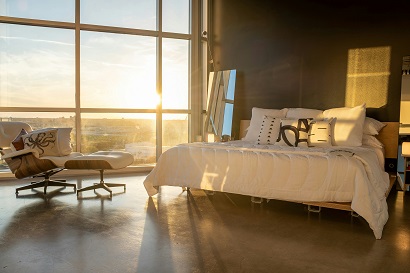
One of the primary influences on spatial perception is lighting. Natural light can profoundly affect how spacious a room feels. By maximizing the entrance of natural light through the use of sheer curtains or strategically placed mirrors, one can significantly enhance the sense of openness. Additionally, the use of layered lighting with floor lamps, wall sconces, and overhead fixtures can create depth and dimension, further contributing to the perception of a larger space.
Color also bears considerable influence. Lighter shades tend to reflect more light, making walls appear to retreat further away than they actually are, which can make a bedroom feel airier. Conversely, darker colors can absorb light and may make the space seem more confined. Utilizing a monochromatic color scheme or soft pastels can create a seamless look that encourages visual flow, thereby enhancing the sense of spatial expansiveness.
Layout plays a crucial role in spatial perception as well. The arrangement of furniture can either enhance or hinder the flow of movement within a bedroom. Minimalism is often key; by reducing clutter and using multifunctional furniture, one can avoid overwhelming the space. An open layout encourages the eye to move around freely, while thoughtfully placed large pieces can define areas without obstructing the view, thus achieving a balance between functionality and an appearance of spaciousness.
In summary, understanding how light, color, and layout affect spatial perception can help individuals transform their small bedrooms into areas that feel significantly larger. By leveraging these elements, one can create an inviting and expansive environment that promotes comfort and ease of living.
Choosing the Right Color Palette
The choice of color palette plays a pivotal role in creating an illusion of spaciousness in a small bedroom. By understanding the principles of color theory, one can effectively select shades that can enhance the perception of size. Lighter colors are known to create a more open environment, as they reflect light and can make walls appear to recede. Therefore, opting for whites, pastels, or soft neutrals can be a strategic move.
Monochromatic schemes also offer an effective approach. Utilizing varying shades of a single color can evoke harmony, thereby making the space seem larger and more cohesive. For instance, different tones of blue can add depth while maintaining a unified look. Moreover, such schemes can be accented with strategically positioned decorative items, which can add interest without overwhelming the senses.
Another consideration is the utilization of colors that reflect natural light. Light colors, particularly in combination with reflective surfaces, can amplify the brightness of the room. This can be achieved by incorporating mirrors, glossy finishes, or metallic accents that bounce light around the space, creating an airy ambiance.
In contrast, darker colors tend to absorb light, potentially making a space feel more cramped. However, they can be used strategically, for example, on a single accent wall, while keeping the remaining walls lighter. This technique allows for a bold style while still adhering to the guidelines of maintaining a perception of space.
Ultimately, the right color palette can transform a small bedroom, making it feel much larger and more inviting. When selecting colors, consider the overall atmosphere desired, as well as how each hue interacts with lighting and with other elements within the room.
Furniture Selection and Arrangement
Selecting the right furniture for a small bedroom is crucial for enhancing the space and ensuring functionality. Opting for multifunctional furniture is a practical approach in such confined areas. Beds with built-in storage, such as drawers or under-bed spaces, allow for the effective use of space while keeping belongings organized. Additionally, a foldable desk or a wall-mounted table can serve dual purposes, providing a workspace when needed and freeing up floor space when not in use.
The importance of maintaining proportionality between furniture sizes and the room cannot be overstated. Oversized furniture can easily overwhelm a small bedroom, making it feel cramped and cluttered. Instead, consider sleek and slimline designs that create an illusion of space. For instance, a low-profile bed can draw the eye upwards, making ceilings appear taller. Similarly, furniture with exposed legs can create a sense of airiness as viewers can see the ground beneath, thereby visually expanding the area.
When arranging furniture, strategic placement is key to maximizing open space. It is advisable to keep pathways clear and avoid placing bulky items in high-traffic areas. For example, positioning a bed against the longest wall can open up the room, while nightstands can be selected in a minimalist style to reduce visual weight. Furthermore, the use of mirrors can be beneficial; they reflect light and make the room feel more expansive. Incorporating light-colored furniture can also contribute to the perception of space, as lighter shades tend to create a more open atmosphere.
Utilizing Vertical Space
In a small bedroom, the effective use of vertical space can dramatically alter the perception of size. By drawing the eye upwards, one can create an illusion of height and openness, making the room feel more spacious. This strategy involves integrating various design elements that capitalize on verticality, such as wall-mounted shelves, tall bookcases, and decorative elements that emphasize height.
Wall-mounted shelves are an excellent choice for small bedrooms. Unlike traditional bookcases that consume valuable floor space, shelves attached directly to the wall can display books, photographs, and decorative items without encroaching upon the room’s footprint. Positioning these shelves higher on the wall encourages the eye to travel up, promoting a sense of spaciousness, while keeping frequently used items accessible can also enhance functionality.
Tall bookcases represent another remarkable solution. Opting for a bookcase that extends toward the ceiling rather than one that is wide allows you to utilize the vertical area effectively. When selecting a bookcase, consider an open design that showcases the items inside, as this will contribute to an airy feel rather than a bulky one. Additionally, painting the bookcase the same color as the wall can help it blend in, thus reducing visual clutter.
Incorporating vertical decor elements, such as tall mirrors or elongated art pieces, can further enhance the perception of height. Mirrors not only reflect light but also give the impression of extra space. Selecting artwork that is taller than it is wide can pull the gaze upward, reinforcing the vertical theme. Window treatments that hang from the ceiling to the floor will also work to elongate wall space, letting in more natural light and airiness.
By strategically deploying these elements in a small bedroom, one can successfully utilize vertical space to establish an atmosphere that feels less confined and more expansive.
Incorporating Mirrors Effectively
Mirrors are powerful tools in interior design, especially for optimizing small bedrooms where space constraints can be a challenge. When placed thoughtfully, mirrors can significantly enhance the perception of space, offering a more expansive feel to the room. Their reflective properties allow them to bounce light around, making the area brighter and contributing to a more airy atmosphere.
One effective strategy for mirror placement is to position them across from windows. This not only allows natural light to be reflected into the room but also creates a visual connection with the outdoors. By doing so, the mirror amplifies the natural light, which in turn enriches the overall ambiance and makes the bedroom feel larger than its actual dimensions.
Another approach is to utilize mirrors on closet doors or as part of decorative accents. Mirrored furniture can also serve a dual purpose, functioning as both a style element and a space augmenter. For instance, a mirrored nightstand can add a touch of elegance while reflecting surrounding light and creating depth. Wall-mounted mirrors can also be strategically hung to draw the eyes upward, emphasizing height and adding to the illusion of space.
Moreover, consider the proportion and style of mirrors. Oversized mirrors can serve as striking focal points, while a collection of smaller mirrors arranged in an artistic configuration can create a captivating visual interest. The finish and design of the mirrors should also harmonize with the overall decor of the bedroom to achieve a cohesive look.
In conclusion, incorporating mirrors effectively into a small bedroom not only enhances the aesthetics but also amplifies the light and space perception. By placing mirrors thoughtfully, one can create an illusion of a larger, more inviting environment while adding a touch of personal style.
Creative Lighting Solutions
Effective lighting plays a pivotal role in transforming the ambiance of a room, especially in small bedrooms where creating an illusion of space is essential. By optimizing natural light and incorporating various lighting techniques, one can significantly enhance the perception of size and openness.
Firstly, maximizing natural light is one of the simplest yet most effective strategies. Consider using sheer curtains or blinds that allow sunlight to filter through while preserving privacy. Mirrors positioned strategically across windows can reflect daylight, creating an airy feel and contributing to the spatial perception. Furthermore, keeping window sills clear of heavy decorations enables unobstructed light to enter the room, promoting brightness and warmth.
In addition to natural light, layered lighting is crucial in achieving a harmonious lighting scheme. Ambient lighting serves as the primary light source and should illuminate the room evenly, often achieved through ceiling fixtures or wall-mounted lights. To further enhance the sense of space, incorporate task lighting such as bedside lamps or reading sconces. These provide focused illumination on specific tasks while adding depth to the room’s design.
Accent lighting is another vital component that can create visual interest in a small bedroom. Use it to spotlight artwork, architectural features, or decorative items. This can be accomplished with picture lights, LED strips, or floor lamps that cast light on walls or ceilings, drawing the eye upward and making the room feel more expansive.
Employing a combination of these creative lighting solutions will not only enhance the overall aesthetic of a small bedroom but also contribute to a sense of spaciousness. Thoughtful lighting choices can thus become a powerful tool in making a compact area feel larger and more inviting.
Simplifying Decor and Clutter Control
Creating the illusion of a larger space in a small bedroom begins with effective decluttering and mindful decor choices. A cluttered environment can easily make even the most spacious room feel confined. Therefore, the first step towards achieving an open feel is to assess which items are necessary and which can be removed. Begin by sorting through belongings and determining what to keep, donate, or discard. This process not only creates a more aesthetically pleasing space but also enhances overall functionality.
When it comes to decorating a small bedroom, simplicity is key. Opt for a few carefully selected decor pieces rather than overwhelming the space with numerous knickknacks. Using a restrained color palette can also contribute to a more expansive appearance. Light colors, such as soft whites and pastels, tend to reflect light and create a brighter environment, whereas darker shades can trap light, making the room feel smaller. Additionally, mirroring opportunities can be employed, as strategically placing mirrors can help reflect light and visually expand the space.
Storage solutions play an essential role in maintaining order and maximizing usable space in a small bedroom. Invest in multi-functional furniture pieces, like ottomans with internal storage or beds with drawers underneath. These practical designs reduce visible clutter, allowing the remaining decor to enhance the space rather than detract from it. Wall-mounted shelves can also be beneficial, as they provide storage without occupying precious floor space. By carefully considering each item that enters the room and embracing minimalism in decor choices, it is possible to create a serene and open atmosphere in a small bedroom.
Textiles and Patterns: Making the Right Choices
When it comes to designing a small bedroom, the selection of textiles and patterns plays a crucial role in creating an illusion of space. Choosing the right materials can dramatically affect how expansive or confined a room feels. To enhance the perception of spaciousness, it is advisable to opt for lighter fabrics. Materials such as linen or cotton in light, airy colors can foster a sense of openness and prevent the room from feeling cramped. For example, sheer curtains allow natural light to filter in while still providing privacy, making the space feel larger and more inviting.
In addition to fabric choices, the patterns incorporated into the decor are equally vital. Simple patterns or solid colors can contribute to a more expansive atmosphere, while complex or busy designs may overwhelm the senses and diminish the feeling of space. Selecting small, understated prints for bedding or cushions can add visual interest without overshadowing the room’s overall design. Stripes are particularly effective; horizontal stripes can create the illusion of wider walls, making the room appear bigger. Conversely, vertical stripes can elongate the walls, enhancing the height perception.
Cohesion is also essential; ensuring that fabrics and patterns work harmoniously together can enhance the overall aesthetic and make the room feel unified. By maintaining a limited color palette and repeating a particular pattern or two throughout the textiles––such as throw pillows, bed linens, and window treatments––the bedroom will feel more coordinated and spacious. Ultimately, the right selection of textiles and patterns can transform a small bedroom, making it feel not only larger but also more comfortable and stylish.
Final Touches: Accessories and Personal Items
In the quest to create a small bedroom that feels larger, the inclusion of accessories and personal items is vital. However, it is essential to select these items thoughtfully to maintain an ambiance of openness. By choosing decor that reflects personal style while also being functional, one can achieve both character and spaciousness.
Begin by identifying key accessories that can double as functional elements. For instance, utilizing shelving that incorporates decorative boxes can serve as both storage and display space, effectively combining functionality with aesthetics. Opt for minimalist designs in neutral tones, as these create an illusion of more space compared to bulkier items. Mirrors are another excellent choice; they reflect light and can enhance the perception of depth within a small room.
When it comes to personal items, select a few cherished objects instead of crowding the room with numerous trinkets. This approach allows you to showcase your personality while avoiding a cluttered feel. Consider framed photos or small artworks that resonate with you. These should be displayed in a way that creates a focal point without overwhelming the wall space.
Textiles also play a crucial role in finishing touches. Incorporating light fabrics through bedding or curtains can contribute to a feeling of airiness in the room. Additionally, using a decorative throw or a strategically placed rug can add warmth while remaining visually light. The key is to avoid heavy textures or dark colors that can constrict the overall atmosphere.
Ultimately, the goal is to strike a balance between personal expression and the essence of spaciousness. By carefully curating accessories and personal items, you can enhance your small bedroom, creating an inviting atmosphere that feels both comfortable and expansive.