
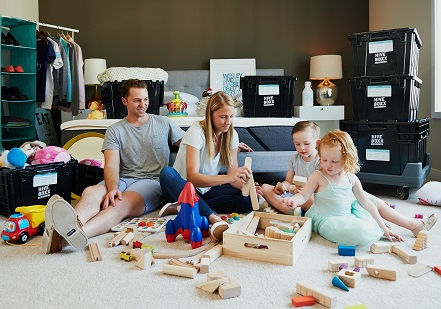
Understanding the Needs of Your Family
Designing a family-friendly home necessitates a thorough understanding of the diverse needs of all family members. Each individual contributes a unique set of requirements based on factors such as age, personal preferences, and activity levels. For instance, young children may require open spaces for play, safe corners to explore, and accessible storage for toys. Conversely, teenagers might favor areas that provide a sense of privacy, alongside versatile spaces for both relaxation and study. Thus, evaluating these differences lays the groundwork for a well-rounded design.
Additionally, the lifestyle of the family plays an essential role in the design process. Families that engage in frequent hosting may benefit from open concepts that allow for seamless interaction between kitchen, dining, and living areas. Alternatively, those who prioritize quiet time might desire cozy nooks ideal for reading or relaxation. Establishing a clear understanding of these lifestyle choices helps in creating an environment that caters to those activities effectively.
Moreover, it is equally important to consider any specific needs that arise due to physical limitations or health considerations among family members. Incorporating universal design principles can significantly enhance accessibility, ensuring that everyone can comfortably navigate the space. For example, including features such as wider doorways, non-slip flooring, and easily adjustable lighting can make a home not only family-friendly but also inclusive and functional for all age groups.
Thus, the key to designing a family-friendly home lies in recognizing and prioritizing the unique needs of each member while focusing on the family’s lifestyle. This understanding will inform the design decisions that create an enjoyable and practical living environment for everyone involved.
Creating Open and Flexible Spaces
Designing a family-friendly home often begins with the creation of open and flexible spaces that encourage interaction and foster a sense of togetherness among family members. Open floor plans have gained popularity due to their ability to eliminate barriers and allow for seamless movement between different areas, effectively transforming the perception of size and enhancing the flow of daily activities.
One significant advantage of an open layout is the way it promotes communication and connectivity. Families can engage in various activities—cooking, dining, and relaxing—while remaining visually and acoustically linked. This arrangement not only enhances quality family time but also makes it easier for parents to supervise children during play or homework sessions, contributing to a more harmonious living environment.
However, it is important to recognize that open spaces can sometimes lead to chaos without proper organization. Utilizing flexible furniture arrangements can effectively delineate areas for specific functions while maintaining an overall sense of openness. For instance, strategically placed area rugs can define living and dining zones, providing visual cues without the need for physical walls. Additionally, movable furniture such as ottomans or lightweight tables can accommodate multiple activities, adapting to the family’s evolving needs.
Partitions can also play a pivotal role in maximizing space and creating functional zones. Using bookshelves, decorative screens, or curtains not only adds character but also enhances privacy when required. These elements introduce a versatile approach to interior design, fostering a space that can easily transition from playtime to a quiet study area, catering to both leisure and work demands.
In summary, creating open and flexible spaces is a foundational element in designing a family-friendly home. By thoughtfully planning layouts and utilizing adaptable furnishings, homeowners can cultivate a nurturing environment that promotes engagement and accommodates diverse family activities.
Incorporating Safety Features
Designing a family-friendly home necessitates a comprehensive approach to safety. Ensuring that the living environment is secure for children is a paramount consideration in any family-oriented design. One of the first steps to achieving this is through effective childproofing techniques. Families should install safety devices such as outlet covers, cabinet locks, and corner guards to prevent accidents from occurring. These measures help reduce the risk of injury from sharp edges or hazardous materials that may be accessible to young children.
In addition, selecting non-toxic materials is crucial when designing a safe home. Families should opt for paint, flooring, and furnishings that are free from harmful chemicals. This not only protects children from potential health risks but also contributes to a healthier indoor air quality. Eco-friendly materials, often labeled with safety certifications, are available and serve as an excellent choice for family-friendly homes.
Outdoor spaces are another critical area where safety features must be prioritized. Creating secure outdoor environments involves enclosing play areas with appropriate fencing and installing soft landing surfaces, such as mulch or rubber mats, under playground equipment. Additionally, properties should have sturdy, secure railings on decks and porches to prevent falls. Parents should also ensure that swimming pools are properly fenced and equipped with safety covers to minimize accidents.
Securing stairs and windows is an important aspect of ensuring safety in a family home. Installing safety gates at the top and bottom of stairs can prevent falls, while window locks and guards will help keep children safe from accidents. Also, hazardous areas, such as kitchens and basements, should be made inaccessible to children through the use of closed doors and safety latches.
By implementing robust safety features throughout a home—particularly in child-centric spaces—families can significantly reduce the risks associated with hazards, creating a secure environment where children can thrive.
Choosing Comfortable and Durable Furnishings
When designing a family-friendly home, selecting furniture that can endure the rigors of daily life while maintaining aesthetic appeal is crucial. Families often encounter spills, stains, and wear, making it essential to choose materials that not only look good but are also functional and resilient. For instance, upholstery materials like microfiber and leather offer impressive resistance to stains and are easy to clean, making them ideal for households with children or pets.
In addition to the upholstery, the structural integrity of the furniture should not be overlooked. Options such as hardwood frames and quality craftsmanship can withstand the test of time, providing longevity and comfort. When selecting sofas and chairs, consider those with removable covers, which allow for easy cleaning and maintenance, while also ensuring that they can adapt to the changing needs of a growing family.
In terms of furniture arrangement, a layout that promotes ease of movement and safety is paramount. Avoiding sharp corners on tables and opting for rounded furniture can reduce the risk of accidents, especially with young children around. For communal areas, consider larger, plush seating options that invite interaction, and strategically place seating to foster conversation and engagement among family members.
Furthermore, including storage solutions within your furnishings can enhance both style and functionality. Pieces that double as storage, such as ottomans or benches, assist in minimizing clutter while providing comfortable seating options. The balance of aesthetics and practicality is key in a family-friendly environment, ensuring that all members, young and old, can find comfort and utility in the space designed for togetherness.
Designing Family-Friendly Outdoor Areas
Creating family-friendly outdoor spaces is essential to enhance family engagement and foster a sense of community. These areas serve as an extension of the home, allowing families to spend quality time together while also promoting physical activity and relaxation. To achieve this, careful consideration should be given to the layout, features, and accessibility of outdoor environments.
One of the primary elements to incorporate is open play areas. A grassy lawn or designated play zone can provide children with a safe space to run, play games, and engage in outdoor activities. Additionally, integrating durable play equipment, such as swings or climbing structures, can further encourage active play. Families can also benefit from adding floor surfaces like rubber or sand in these play zones to enhance safety.
Another crucial aspect to consider is the incorporation of seating arrangements, such as patios and benches, which allow families to relax and socialize together. A well-designed patio can serve multiple purposes, ranging from family barbeques to quiet reading spots. Moreover, using weather-resistant furniture ensures that these spaces can be utilized year-round, regardless of the weather conditions.
Gardens can also play a pivotal role in creating a family-friendly outdoor space. Engaging children in gardening teaches valuable lessons about responsibility and care for the environment. Creating a vegetable or flower garden encourages family involvement, with everyone taking part in planting, watering, and harvesting. Additionally, gardens can attract wildlife, bringing nature closer to home and providing children with opportunities to learn about the ecosystem.
In conclusion, designing family-friendly outdoor areas not only enriches the home environment but also promotes health and well-being. By thoughtfully incorporating play zones, seating, and gardens, families can create inviting spaces that foster connection and enhance quality of life.
Incorporating Technology Wisely
In modern households, technology plays a significant role in enhancing the comfort, convenience, and overall functionality of a family-friendly home. When designing such spaces, it is essential to strike a balance between integrating technology and maintaining aesthetic appeal. Tech-friendly spaces should accommodate devices seamlessly, ensuring they complement rather than overwhelm the home’s design.
One effective way to achieve this is by creating designated tech zones for screen time. These areas can help contain technology use and prevent it from bleeding into spaces meant for family interaction. For instance, setting up home offices or media rooms can provide a clear distinction between work and play. By establishing boundaries, family members can enjoy screen time while still engaging in meaningful interactions within the home.
Moreover, incorporating smart technology can enhance family interactions when done thoughtfully. Devices such as smart speakers can facilitate activities like cooking together, playing games, or even streaming educational content. Incorporating interactive technology can enrich family experiences without detracting from quality time spent together.
While technology can greatly improve convenience, it is vital to maintain a family-centered focus. Consider using smart technology that encourages togetherness, such as video conferencing tools for maintaining connections with extended family. Settings for “do not disturb” can also be established for certain areas and times, promoting uninterrupted family bonding.
Ultimately, the key is to integrate technology in a way that supports a balanced lifestyle. Thoughtfully designed tech spaces will enhance the family’s experience while safeguarding precious moments of interaction and connection within the home. By approaching the incorporation of technology with intention, families can create an environment that fosters both connectivity and closeness.
Personalizing Family Spaces
Creating a family-friendly home involves more than just functional design; it also encompasses infusing your family’s unique personality and values into the living space. This personalization fosters a sense of belonging and comfort, allowing each family member to feel a connection to their environment. One effective way to achieve this is by thoughtfully displaying family photos, artwork, and cherished heirlooms throughout the home.
Consider dedicating a wall or a gallery space to showcase family portraits and candid shots that capture treasured memories. This not only enhances the aesthetic appeal but also sparks conversations and storytelling, contributing to a more connected family atmosphere. Furthermore, incorporating artwork created by family members can add an authentic touch, reflecting their creativity and interests.
Heirlooms tell a story of family heritage and can serve as meaningful decorations. When displayed prominently, items such as antique furniture, traditional crafts, or memorabilia can act as conversation starters while reinforcing family values. To integrate these elements seamlessly, consider a cohesive color palette or design theme that ties everything together.
In addition to visual displays, it is crucial to create spaces that resonate with your family’s interests and experiences. For instance, a reading nook filled with favorite books can highlight a love for literature, while a game room with board games and puzzles can embody a spirit of togetherness. Designing spaces that mirror your family’s past experiences, traditions, and aspirations will establish a nurturing environment where everyone feels valued.
Overall, the personalization of family spaces is about creating an environment that feels uniquely yours. By thoughtfully incorporating personal elements and reflecting family heritage, you can transform your home into a haven that encourages connection and belonging.
Sustainable and Eco-Friendly Choices
Incorporating sustainable and eco-friendly design elements in a family home offers numerous advantages not only for the environment but also for the family’s health and well-being. One of the primary benefits of using eco-friendly materials is the reduction of harmful substances that could impact indoor air quality. Natural materials such as bamboo, reclaimed wood, and recycled metal provide durability and aesthetic appeal while minimizing environmental harm.
Moreover, investing in energy-efficient appliances can lead to significant savings in utility bills, while also reducing the household’s carbon footprint. Devices that have earned the Energy Star certification consume less energy and water, thereby contributing to a decrease in greenhouse gas emissions. By choosing energy-efficient lighting options like LED bulbs, families can enjoy brighter, longer-lasting lighting with lower energy consumption.
Another essential aspect of sustainable design is the use of high-performance insulation and double-glazed windows, which enhance thermal efficiency. Such installations not only maintain comfortable indoor temperatures irrespective of the weather but also curb energy wastage. Families can further promote environmental stewardship by integrating renewable energy solutions, such as solar panels, which can provide substantial energy savings over time.
In addition to the practical benefits, implementing these eco-friendly choices can serve as an educational tool for children. Teaching the younger generation about sustainability through home design allows them to develop a sense of responsibility towards the environment. By involving them in the selection of sustainable materials or energy-efficient practices, parents can instill values of conservation and environmental respect, fostering a generation that prioritizes sustainability.
Ultimately, making sustainable and eco-friendly choices in home design can significantly enhance the quality of life for a family while promoting a healthier planet. A commitment to sustainability not only benefits individual households but contributes to broader environmental conservation efforts.
Adapting to Life Changes
Designing a family-friendly home requires the foresight to accommodate various stages of life. Families evolve, and the spaces they inhabit should be flexible to meet changing needs. From the joyous arrival of a new baby to the challenges of aging parents, creating adaptable environments is crucial for ensuring comfort and functionality.
One effective strategy for planning adaptable spaces is to create multi-functional rooms. For instance, a guest room can double as a nursery or an office, fulfilling several roles as family dynamics shift. Incorporating modular furniture, such as pull-out sofas or expandable dining tables, allows for easy reconfiguration without the need for extensive renovations.
When considering physical changes within the home, it is beneficial to ensure that entrances, hallways, and doorways are wide enough to accommodate future needs, including mobility aids. This foresight not only enhances use for aging family members but also increases overall accessibility for visitors. Additionally, installing grab bars and non-slip flooring in bathrooms can preemptively address safety concerns that arise as family members age.
Outdoor spaces also play a pivotal role in adapting to life changes. Designing gardens or patios with flexible seating arrangements and areas for play can engage all family members, from children to grandparents. The use of soft surface materials for play areas is an essential consideration, blending aesthetics with function.
Lastly, planning ahead for storage can help manage the influx of goods that come with life transitions. Built-in shelving and dual-purpose storage solutions assist in keeping spaces organized, whether accommodating new toys, equipment for hobbies, or medical supplies. By embracing adaptability in home design, families can create welcoming, functional environments that age gracefully and support every milestone in life.