
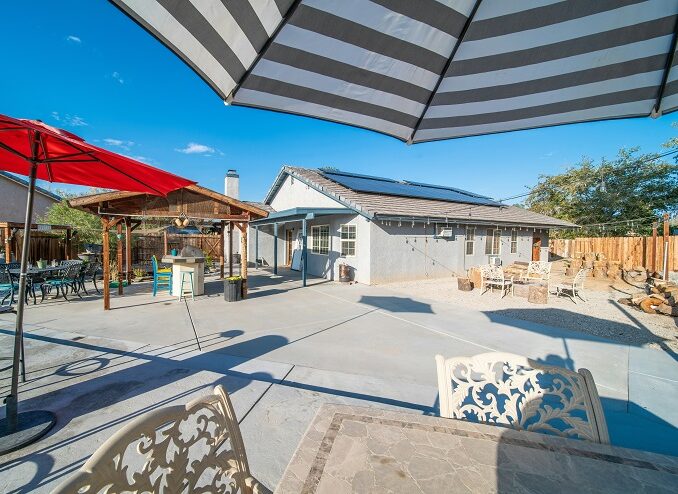
Introduction to DIY Backyard Projects
DIY backyard projects have gained significant popularity among gardening enthusiasts and homeowners looking to enhance their outdoor spaces. The allure of engaging in hands-on activities allows individuals not only to save money but also to infuse their unique preferences and styles into their surroundings. By taking on these projects, individuals can create personalized gardens, entertaining areas, and relaxing retreats that reflect their tastes.
One of the primary benefits of pursuing DIY backyard projects is cost savings. Hiring professionals can often be prohibitively expensive, while undertaking the tasks oneself can significantly cut costs. Furthermore, many projects can be completed with materials that are either inexpensive or available for free, such as reclaimed wood or stones from the backyard. This emphasis on frugality makes DIY projects an increasingly appealing option for budget-conscious homeowners.
In addition to financial advantages, working on DIY backyard projects provides a deep sense of satisfaction. There is an inherent joy in creating something by hand, whether it’s a simple birdhouse, a custom fire pit, or a meticulously designed garden path. This sense of accomplishment often leads to a deeper connection with one’s outdoor environment, enhancing the overall enjoyment of one’s home. Engaging in these activities also tends to improve one’s skill set, providing useful knowledge for future tasks.
The range of projects that can be tackled over a weekend is vast, making it ideal for both novice and experienced DIYers. From creating garden beds to constructing outdoor furniture or installing water features, the possibilities are limited only by one’s imagination and available resources. Such projects serve to not only beautify a space but also transform it into a functional area for family gatherings and personal relaxation.
Planning Your DIY Project
Before embarking on any DIY backyard project, it is crucial to engage in thorough planning. This preliminary stage sets the foundation for the project’s success, ensuring that the execution aligns with your vision and capabilities. Furthermore, effectively planning a DIY project allows you to streamline the process, minimizing potential setbacks and frustrations along the way.
Choosing the right project is essential and should be based on your skill level, budget, and the materials available to you. For instance, if you are a novice DIYer, selecting a project that requires minimal tools and basic skills, such as constructing a raised garden bed or creating plant markers, can provide a sense of accomplishment without overwhelming you. Conversely, more experienced individuals may consider ambitious undertakings, like building a pergola or outdoor seating area, as they possess the necessary skills and confidence.
Your budget also plays a significant role in project selection. It is prudent to estimate the required materials and any additional expenses associated with the project. Crafting a budget not only helps you manage costs but also encourages creativity in utilizing existing materials or seeking affordable alternatives. Thrift stores and recycling centers can offer valuable resources that align with your project goals.
Inspiration is an integral part of planning your DIY backyard project. Platforms like Pinterest, home improvement blogs, and instructional videos can provide fresh ideas and insightful techniques. Browsing through these sources can lead to discovering unique designs and modifications that resonate with your style. Jotting down notes and creating a mood board with your favorite concepts can serve as a fantastic visual guide throughout your project. This strategic approach to inspiration will help ensure that your backyard transformation reflects both your aesthetic vision and practical needs.
Essential Tools and Materials
Embarking on a DIY backyard project requires not only creativity and determination but also the appropriate tools and materials. Having the right tools is crucial for efficient work, ensuring safety, and achieving a professional finish. Among the essential equipment, certain tools stand out due to their versatility and necessity in various tasks.
First and foremost is the measuring tape. Accurate measurements are pivotal for the success of any project, whether you are laying down a pathway or building a raised garden bed. A measuring tape allows you to take precise dimensions, preventing costly mistakes that could arise from miscalculations.
Next, the hand saw and power saw are indispensable for cutting wood and other materials. Manual hand saws are suitable for small projects, providing control and precision. However, for larger endeavors or thicker materials, a power saw saves time and labor. Understanding the type of cuts needed will inform your choice of saw.
A drill is another fundamental tool in the DIY repertoire. It is used for both drilling holes and driving screws, making it highly versatile. Cordless drills are especially favored for their portability and ease of use. To ensure drilling safety and efficiency, having a selection of drill bits is recommended for various materials, including wood, metal, and masonry.
Lastly, a set of screwdrivers, both flat and Phillips head, should be added to your toolkit. These tools help in assembling various components and are especially necessary in projects involving pre-fabricated materials.
Thus, investing in these essential tools and materials not only enhances your workflow but also contributes significantly to the quality of your backyard projects. With the right equipment, you can turn your weekend into an opportunity for creativity, yielding satisfying results.
Beginner-Friendly Projects
For weekend warriors looking to enhance their backyard without extensive experience, various beginner-friendly DIY projects can provide an ideal start. These projects require minimal tools, materials, and skill, making them perfect for anyone keen to dive into the world of home improvement.
1. Raised Garden Beds
Creating raised garden beds is an excellent project for beginners and an effective way to grow your favorite plants. To start, gather materials like untreated lumber (2×6 or 2×8), screws, and soil. Cut the lumber into desired lengths (usually 4×4 feet or 4×8 feet) to create a rectangular frame. Assemble the corners using screws to build the frame.
Next, place the frame in your chosen location in the yard, ensuring it gets sufficient sunlight. Fill the structure with a mix of soil and compost to provide ample nutrients for your plants. You can now plant vegetables, flowers, or herbs, giving your outdoor space a splash of color while providing homegrown produce.
2. Birdhouses
Building birdhouses is another straightforward DIY option that can attract wildlife to your backyard. The materials required include untreated wood, wood screws, and a wood saw. Cut the wood into the necessary pieces to form a box with a sloped roof. A typical size is 6×6 inches for the base and around 8-10 inches high.
Assemble the pieces using screws, making sure to drill a small entrance hole (approximately 1.5 inches in diameter). Finally, paint or seal the exterior with non-toxic, water-based finishes. Hang the birdhouses in trees or on posts, ensuring they are sheltered from harsh weather and predators.
3. Simple Seating Areas
Creating a basic seating area can significantly enhance the usability of your outdoor space. This project can be accomplished using concrete blocks or wooden pallets. If choosing concrete blocks, arrange them in a rectangular shape to form a low seating option. If using wooden pallets, sand them down and position them together for a flat surface.
To finish, consider adding outdoor cushions for comfort. This project not only helps utilize your backyard space effectively but also encourages relaxation and social interaction outdoors.
These beginner-friendly DIY projects provide an excellent opportunity to engage with your backyard creatively while developing your skills. As you complete these tasks, you gain confidence and motivation to tackle even more complex projects in the future.
Intermediate Projects for the Adventurous
For individuals looking to elevate their DIY skills, intermediate backyard projects can provide both a challenge and a rewarding experience. Tackling these tasks, such as building a deck, creating a fire pit, or crafting a rustic outdoor table, can significantly enhance your outdoor living space while allowing you to express your personal style. Each of these projects requires not only basic skills but also an understanding of safety measures and effective planning.
Building a deck can be an excellent way to add both functionality and aesthetic value to your backyard. Begin by selecting quality materials and designing a layout that complements your home’s appearance. Ensure you check local building codes regarding deck size and height. Using proper tools, such as a level, saw, and drill, is crucial. Pay attention to safety; wearing protective gear such as gloves and goggles will prevent injuries during construction.
Another engaging project is constructing a fire pit, ideal for gathering with family and friends during cooler evenings. This project can vary in complexity, from a basic gravel pit to a more elaborate stone design. When planning your fire pit, consider its placement in relation to wind direction and proximity to flammable materials. It is advisable to use fire-rated bricks or stones and to dig a trench lined with gravel for proper drainage.
Creating a rustic outdoor table adds utility to your space and allows for creative expression. Salvaged wood can be an environmentally friendly choice, offering a unique appearance while minimizing waste. Ensure stability by using a solid base and joining the tabletop securely. Sand the surfaces to avoid splinters and finish with a weather-resistant sealant to prolong the table’s life.
As you embark on these intermediate DIY projects, remember to maintain a clean work area and take regular breaks. Following these guidelines will help ensure that your adventurous projects are both enjoyable and successful.
Upcycling and Recycling Ideas
Upcycling and recycling are not only environmentally responsible practices but also a fantastic way to express creativity through DIY projects. By repurposing old items and materials, you can transform your backyard into a personalized retreat while also reducing waste. This sustainable approach encourages the innovative use of resources that might otherwise be discarded.
One popular method of upcycling involves furniture. For instance, an old wooden chair can become a charming plant stand by removing the seat and placing a pot directly on the frame. Alternatively, a distressed dresser can be transformed into a unique garden bench by setting it against a wall and adding comfortable cushions. These methods not only enhance your outdoor space but also give new life to forgotten furniture.
Pallets are another versatile resource for backyard projects. Wooden pallets can be easily converted into raised garden beds, providing a stylish solution for growing herbs and vegetables. By simply stacking pallets to create a frame and filling them with soil, you create a functional and attractive gardening space. Furthermore, pallets can be crafted into outdoor lounge furniture, showcasing your creativity while promoting the responsible use of materials.
Natural materials found in your backyard, like stones or logs, can also be upcycled into decorative features. For example, a cluster of stones can be arranged to form a fire pit or a simple border for a garden bed. Fallen logs can serve as rustic seating or be used to create whimsical garden sculptures. Such projects not only beautify your space but also make use of readily available materials, minimizing the need for purchasing new items.
Engaging in upcycling and recycling projects not only enhances your backyard aesthetics but also reduces your carbon footprint. These eco-friendly initiatives can foster a deeper appreciation for the environment and encourage sustainable practices that contribute to the overall well-being of our planet.
Maintenance and Longevity of DIY Projects
When undertaking DIY projects in your backyard, it is essential to consider the maintenance and longevity of these creations. Proper maintenance ensures that the investment of time and resources continues to yield rewards, enhancing the utility and enjoyment of outdoor spaces. One of the first steps in safeguarding the lifespan of your projects is to select weather-resistant materials. These materials, which include treated wood, composite decking, and rust-resistant metals, are designed to withstand exposure to various environmental factors such as rain, sun, and snow.
Regular upkeep is a key practice to ensure that your DIY creations remain in optimal condition. Cleaning is the foundation of maintenance; dirt, debris, and algae buildup can not only detract from the appearance of your projects but can also lead to deterioration over time. For wooden structures, a gentle wash with a mixture of water and mild detergent can help remove grime. For non-porous surfaces, a pressure washer works effectively but should be used with caution.
Sealing is another critical aspect of care, especially for wooden elements, as it helps to protect against moisture and pest damage. Applying a water-repellent sealant annually can significantly extend the life of wooden decks and fences. Furthermore, seasonal maintenance is crucial. In spring, inspect your projects for signs of wear after winter; in autumn, clear off debris and prepare your structures for the coming cold. Regularly checking for loose boards, rusted fittings, and signs of rot allows for timely repairs that can prevent more extensive damage later on.
Incorporating these straightforward recommendations can ensure that your DIY backyard projects remain functional and aesthetically pleasing for years to come. With conscientious care and periodic checks, you can enjoy your outdoor spaces without the constant worry of deterioration.
Showcasing Your DIY Projects
Completing a DIY backyard project can be an extraordinarily satisfying experience, and showcasing these projects allows you to share your hard work and creativity with others. Taking pride in your public displays not only brings personal satisfaction but also fosters a sense of community and connection with neighbors and friends who may appreciate your efforts.
One effective way to showcase your DIY projects is through social media platforms. By sharing before-and-after photos, progress shots, and even videos, you can engage with a wider audience who might find inspiration in your work. Platforms like Instagram and Pinterest are particularly well-suited for visual storytelling, where potential DIY enthusiasts can discover your projects. Utilizing relevant hashtags can also help magnify your reach, connecting you with fellow hobbyists or those interested in home improvement.
In addition to digital avenues, consider organizing a neighborhood showcase. This could take the form of an open house or a community gathering where you invite others into your backyard to see firsthand the fruits of your labor. Such events can be great opportunities for exchanging ideas, tips, and inspiration, creating a supportive atmosphere for budding weekend warriors embarking on their own projects.
Moreover, hosting gatherings in your revitalized outdoor space serves not only to highlight your completed work but also encourages appreciation and communal enjoyment. Whether it’s an informal barbecue, a picnic, or a garden party, these gatherings allow friends and neighbors to experience your newly created outdoor haven, which can lead to networking opportunities for future collaborative projects.
In essence, there are numerous ways to proudly display your DIY projects. Engaging with your community both online and offline can bring about newfound connections, all while celebrating the creativity and effort you have invested in your backyard. Embrace these opportunities, and let your work inspire others to take up their own tools and create something remarkable.
Conclusion and Encouragement
Engaging in DIY backyard projects can transform your outdoor space while offering numerous personal benefits. Not only do these projects improve the aesthetics of your yard, but they also foster a sense of accomplishment and promote physical activity. As you invest time and effort into creating or enhancing your backyard, you may find that you connect more deeply with your environment and family. Each project, whether building a garden bed or constructing a cozy seating area, becomes an opportunity for creativity and self-expression.
By embracing DIY backyard projects, you tap into a resourceful mindset that encourages problem-solving and innovation. The process encourages you to confront challenges head-on and find satisfaction in overcoming them. Furthermore, these endeavors can serve as a bonding experience with loved ones, where each member plays a role in the collective effort, ultimately enhancing not just your yard but also your relationships.
We encourage you to take the plunge and start your own backyard projects. Remember, the journey is often just as important as the destination. Don’t hesitate to explore online resources, connect with local DIY communities, or share your ideas and experiences. These platforms can offer invaluable support and inspiration that can help you in your endeavors. Whether you seek advice on a specific project or want to showcase your finished work, there is a thriving community eager to engage with you. Take the first step today and unlock the potential of your backyard—your haven awaits!