
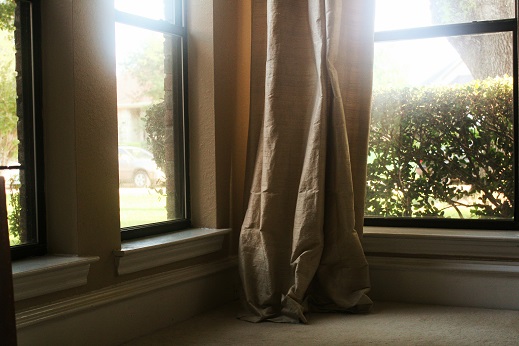
Introduction to Curtains and Their Importance
Curtains play a multifaceted role in home decoration, offering more than mere aesthetics. They serve as vital elements that impact the ambiance, privacy, and overall energy efficiency of a living space. Choosing the right curtain types is crucial, as they can dramatically enhance the interior design while also fulfilling practical functions. From a decorative standpoint, curtains have the ability to complement or contrast with existing furnishings, thereby intuitively tying a room together. They come in a variety of fabrics, colors, and patterns, providing homeowners with limitless options to express personal style. A well-chosen curtain can serve as a focal point of a room, elevating the overall decor and adding a touch of elegance or warmth.
In addition to their aesthetic appeal, curtains significantly contribute to privacy and light control. By selecting the appropriate thickness and opacity of the fabric, homeowners can manage external visibility while controlling the amount of natural light entering a space. Lighter fabrics can offer a soft diffusion of light, creating a welcoming atmosphere, while heavier drapes ensure complete seclusion and darkness when required.
Moreover, curtains can also influence energy efficiency within the home. The right choice of fabric and design can help in regulating indoor temperature by insulating windows against heat loss during colder months and minimizing heat gain in summer. This functional characteristic can lead to reduced energy costs, making them an economically sensible addition to any home.
Ultimately, the importance of selecting the right curtains cannot be overstated. They are not just decorative items; they are essential components that enhance the home’s decor, affect mood, and provide practical benefits. A careful contemplation of color, fabric, and style will yield significant benefits in comfort and aesthetics, making the living environment more inviting and functional.
Types of Curtains Available
Curtains serve various functional and aesthetic purposes in a home, and understanding the different types can greatly enhance the choice of window treatments. Sheer curtains are lightweight and airy, allowing natural light to filter into a room while providing a certain level of privacy. They are ideal for living areas or bedrooms where soft illumination is preferred without sacrificing the connection to the outdoors.
Next are blackout curtains, which are designed to block out most, if not all, of the light from outside. These curtains are particularly useful in bedrooms and home theaters where complete darkness is desired to promote better sleep and an enhanced viewing experience. Blackout curtains also provide thermal insulation, keeping rooms cooler in the summer and warmer in the winter, which can help save on energy costs.
Thermal curtains go a step further by incorporating a thermal lining. This additional layer not only aids in temperature regulation but also contributes to noise reduction, making them suitable for rooms facing busy streets or in homes with inefficient windows. These curtains can enhance energy efficiency, making them an eco-friendly choice for those conscious of their carbon footprint.
Lastly, patterned curtains are a creative textile choice, offering a wide array of designs and colors that can serve as a focal point in a room’s decor. They can reflect personal style while also harmonizing with the existing color palette of the room. When choosing patterned curtains, it is essential to consider the scale and complexity of the pattern, as well as the overall theme of the decor.
Factors to Consider When Choosing Curtains
When selecting curtains for your home, several essential factors should guide your decision to ensure that they serve both aesthetic and functional purposes. These factors include fabric type, color, pattern, size, and length.
Firstly, the fabric type plays a crucial role in the overall look and usability of the curtains. Different fabrics offer varying levels of insulation, light filtration, and maintenance requirements. For example, heavier fabrics like velvet or brocade can provide better insulation and privacy, making them suitable for bedrooms and living areas, while lighter fabrics such as sheer cotton or linen allow more natural light, making them ideal for kitchens or sunrooms. The choice of fabric will influence both the ambiance and comfort level in a room.
The color of the curtains can dramatically alter the mood of a space. Darker hues tend to create a more intimate environment, while lighter colors can make a room feel more spacious and airy. Additionally, you should consider the existing color palette of the room to ensure that the curtains either harmonize or contrast effectively with wall colors and furnishings.
Beyond color, the pattern on the curtains can also impact your design choices. Patterns can add visual interest and depth to a room, but it is important to choose patterns that complement the style of the room. For instance, florals may work well in a traditional setting, while geometric prints can enhance a modern aesthetic.
Equally crucial are size and curtain length, which can affect both the perceived space and functionality. Curtains should be sized appropriately to cover the window adequately while also appearing proportional to the room. Consideration should be given to whether curtains will hang to the floor, which can create an illusion of height, or stop at the window sill for a more casual look.
Understanding Room Purpose and Style
Choosing the right curtains involves recognizing the distinct purpose and style of each room within your home. Each space has its own functionality, and aligning your curtain choices with these functions can significantly enhance both aesthetics and usability. For instance, in a living room, where comfort and coziness are paramount, curtains should provide both warmth and style. Consider selecting materials that filter light while providing enough privacy, such as sheer or semi-sheer fabrics layered with heavier drapes. This approach creates a versatile environment suitable for various occasions.
In contrast, the selection of curtains for bedrooms can lean towards heavier, blackout materials which promote restful sleep by blocking out light. The style of bedroom curtains can range from contemporary to traditional, and ensuring they harmonize with existing décor, such as bed linens and furniture, is vital. Rich colors or calming tones can influence the overall atmosphere of the bedroom, creating a sanctuary for relaxation.
Moreover, kitchens and dining areas often benefit from curtains that are practical and easy to maintain. Fabrics that resist stains and can be washed easily are essential. Choosing simple, bright materials can reflect the freshness of these spaces while also tying in with your home’s overall decorative theme. Whether opting for café curtains or full-length panels, the goal is to maintain a sense of continuity while addressing the specific needs of these frequently used spaces.
Lastly, bathrooms require a thoughtful approach to curtain selection as well. Privacy is a primary concern, yet style should not be sacrificed. Light and airy fabrics can work well, provided that they offer the necessary coverage. In summary, by understanding the purpose of each room and recognizing how various styles can complement your home’s décor, you can make informed curtain choices that enhance both functionality and aesthetic appeal.
Measuring for the Perfect Fit
Accurate measurements are crucial when selecting the right curtains for your windows, as they ensure a perfect fit and enhance the overall aesthetic of your home. To begin, gather essential tools such as a measuring tape, a notepad, and a pencil to jot down your measurements.
Start by measuring the width of the window. To achieve a fuller look, it is recommended to measure 3 to 6 inches beyond the window frame on both sides. This additional width allows the curtains to stack back nicely when opened. Next, take note of the height of the curtains. For a standard look, measure from the top of the window frame down to the floor, but for a more dramatic effect, consider measuring from a point a few inches above the frame, or even the ceiling, down to the floor. This can create an illusion of taller ceilings.
It is also essential to measure the length of your curtain rod if you plan to use one. The rod should extend beyond the window frame by 4 to 12 inches on both sides to allow the curtains to open fully without obstruction. To ensure that you account for the curtain rings or clips used in attaching the curtains to the rod, measure from the top of the rod down to where you want the curtains to end.
Once all measurements are taken, double-check them to avoid any costly mistakes. Remember to write down each measurement clearly alongside notes on window treatments preferred. This organized approach will help when sourcing your chosen curtains or discussing options with your designer. By following these measurement guidelines, you can enjoy a well-fitted and visually pleasing curtain installation that complements your home decor.
Color Psychology in Curtain Selection
The choice of color in curtains extends beyond mere aesthetics; it plays a pivotal role in shaping the mood and ambiance of a room. Color psychology suggests that various hues elicit distinct emotional responses, which can significantly influence how a space feels. Understanding these associations is essential when selecting the right curtains, ensuring that they not only complement the decor but also foster the desired atmosphere.
For instance, curtains in warm colors such as red, orange, and yellow can invigorate a space, inducing feelings of warmth and energy. These shades are particularly effective in areas designed for social interaction, like living rooms or dining areas, where a lively atmosphere is preferred. Conversely, cooler tones like blue, green, and purple tend to create a sense of calm and tranquility. Such colors are ideal for spaces intended for relaxation, such as bedrooms or meditation corners, where serenity is paramount.
Moreover, neutral colors—ranging from beige to grey—offer versatility and can create a soothing backdrop that allows other elements in a room to stand out. Incorporating subtle patterns or textures in neutral curtains can add visual interest without overwhelming the space. It is also important to consider personal taste; the curtains should reflect individual preferences while aligning with the overall design theme of the home.
When choosing colors for curtains, it is advisable to evaluate the existing color scheme of the room. Cohesion among colors can enhance visual harmony, while contrasting curtains can add a striking focal point. Ultimately, the selected curtain color should foster a sense of comfort and functionality that resonates with the homeowner’s lifestyle, making the environment both inviting and reflective of personal style.
Curtain Maintenance and Care
Curtains play a dual role in home decor, enhancing the aesthetic while providing essential privacy and light control. However, for them to maintain their functional and decorative qualities, proper care and maintenance are essential. Different curtain fabrics require varied cleaning approaches, each tailored to the specific characteristics of the materials used.
For curtains made from natural fibers such as cotton or linen, it is generally advisable to wash them in cold water using a gentle cycle. This helps to prevent shrinkage and fading. Drying these fabrics can also be done on a low heat setting to preserve their texture and appearance. In contrast, synthetic fabrics like polyester often exhibit greater durability, allowing for machine wash or hand wash without the need for delicate handling, though cold water is still recommended.
For more delicate materials, such as silk or lace, dry cleaning is often the safest option. These fabrics can be prone to damage from water or harsh detergents, which may lead to weakening of the fibers. To keep them looking their best, it’s important to also regularly dust or vacuum curtains to remove accumulated dust and prevent buildup that can lead to discoloration.
Furthermore, maintaining the shape and structural integrity of the curtains is crucial. Using curtain weights or specific hanging systems can help prevent sagging over time. Careful handling when opening or closing curtains will also contribute to their longevity, reducing stress on the fabric and seams. By incorporating these cleaning techniques and maintenance practices, homeowners can significantly prolong the life of their curtains while sustaining their appealing appearance.
Budgeting for Curtains: Options for All Wallets
When it comes to selecting the right curtains for your home, understanding your budget is crucial. The curtain market is vast, providing options for all price ranges, from economical choices to high-end designer pieces. Each category offers unique styles and materials, ensuring that there is something for every homeowner without compromising on aesthetics or functionality.
The price of curtains can vary significantly based on several factors, including fabric type, brand, and the complexity of the design. For instance, basic polyester curtains can be very affordable, often costing as little as $10 to $30 per panel, making them an excellent option for those on a tight budget. On the other hand, premium fabrics such as silk or linen can elevate the cost to $100 or more per panel, reflecting their quality and durability.
To stretch your budget while still achieving a stylish look, consider several strategies. First, explore discount retailers or online stores, as they often offer lower prices compared to traditional home goods stores. Sites such as Wayfair or Overstock frequently run sales and have clearance sections where you can find stunning curtains at a fraction of their original price.
Another strategy is to opt for ready-made curtains rather than custom options, which can save you a considerable amount of money. Ready-made panels come in a variety of sizes and styles, providing flexibility while remaining budget-friendly. Additionally, consider using versatile curtain rods and tiebacks that can be reused, enhancing the longevity of your purchase.
Ultimately, finding beautiful curtains that fit your aesthetic and budget is possible with careful planning. By exploring various price ranges and options, you can create a cohesive look that complements your home while staying within your financial constraints.
Conclusion and Final Tips for Curtain Selection
In undertaking the process of selecting the right curtains for your home, it is essential to balance both aesthetic appeal and functional needs. The variety of options available can be both exciting and overwhelming. Therefore, understanding the key factors at play can lead to a more informed selection.
Initially, consider the style of your room. Curtains serve as an essential design element, influencing the overall ambiance. Whether your decor leans towards modern, traditional, or eclectic, the curtain fabric, pattern, and color should complement existing furnishings. Light filtration is another critical factor; sheer curtains allow natural light to filter through while maintaining privacy, whereas heavier fabrics can provide insulation and block out light, suitable for bedrooms and media rooms.
Another consideration is the length and width of the curtains. Floor-length options often evoke elegance, while shorter curtains can create a casual vibe. To enhance the room’s proportions, consider mounting rods higher than the window frame or opting for wider curtains to give the illusion of larger spaces.
Finally, don’t overlook the practical aspects such as fabric durability and maintenance. Some materials may require more upkeep than others, so assess your lifestyle and preferences to make a choice that won’t add undue stress. Lastly, take advantage of samples when possible. Bringing fabric swatches into your home can help visualize how colors and textures interact with your space’s lighting and furnishings.
In conclusion, the process of selecting curtains should be approached with thoughtfulness, ensuring they serve both functional and stylistic purposes to create a harmonious environment within your home.