
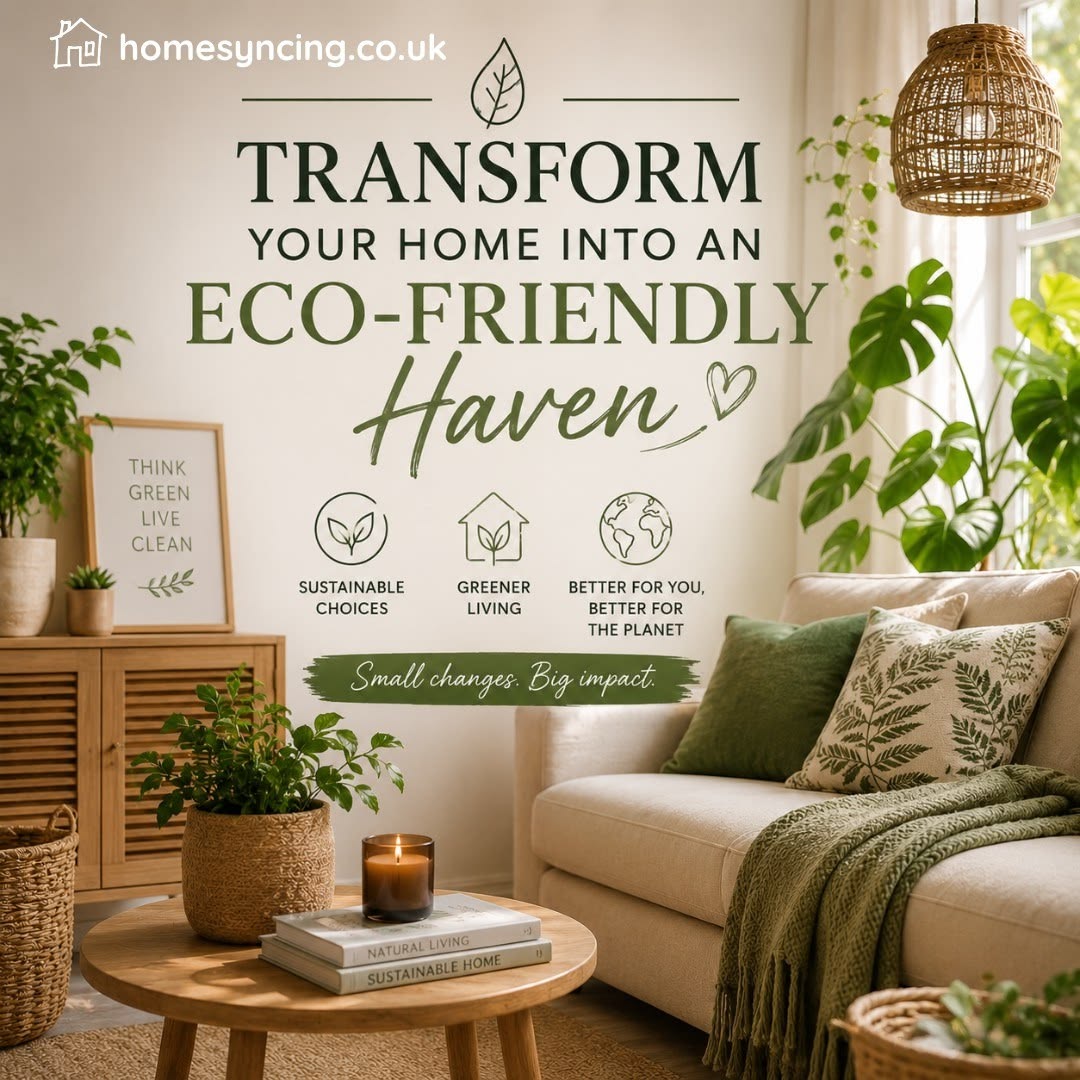
Introduction to Eco-Friendly Home Improvements
In light of the escalating energy costs and growing environmental concerns, eco-friendly home improvements have gained significant traction among homeowners. These enhancements not only aim to reduce a household’s carbon footprint but also provide tangible benefits in terms of energy savings. By focusing on sustainable practices and materials, homeowners can contribute positively to the environment while concurrently decreasing their utility bills.
Eco-friendly home improvements encompass a wide range of upgrades and alterations designed to increase the energy efficiency of residential properties. These include the installation of solar panels, energy-efficient appliances, and improved insulation. Such modifications are becoming essential as individuals are taking proactive steps to mitigate climate change impacts while benefiting from reduced energy consumption.
One of the primary motivations for adopting eco-friendly home improvements is the desire to lower monthly energy expenditures. The implementation of energy-saving solutions can lead to significant reductions in electricity and heating costs over time. Additionally, many local governments and energy providers offer incentives and rebates to encourage homeowners to adopt these sustainable practices, further mitigating the initial investment required for such upgrades.
Furthermore, enhancing a home’s energy efficiency also contributes to a higher property value. Potential buyers increasingly favor homes with sustainable features and efficient systems, making eco-friendly improvements a wise choice for anyone considering the long-term benefits of their property. As society moves towards greater environmental responsibility, it is evident that eco-friendly home improvements are not merely a trend; they are a necessary shift in how we view and manage our living spaces.
The Importance of Energy Efficiency
Energy efficiency refers to the practice of reducing energy consumption while maintaining the same level of comfort and functionality in a home. It plays a crucial role in today’s society, particularly for homeowners seeking to lower energy costs and minimize their environmental footprint. A significant statistic to consider is that households account for about 20% of total energy consumption in the United States, with residential energy use primarily coming from heating, cooling, and powering appliances.
The impact of energy waste is profound, both economically and environmentally. According to the U.S. Department of Energy, improving energy efficiency can lead to a reduction of greenhouse gas emissions, which are a significant contributor to climate change. Furthermore, continuous energy waste not only depletes natural resources but also leads to higher utility bills for homeowners. Studies indicate that energy-efficient homes can save homeowners as much as 30% on their energy costs annually, presenting both an economic and eco-friendly benefit.
Incorporating energy-efficient improvements into living spaces can take several forms, from upgrading to Energy Star appliances to enhancing insulation and sealing leaks. Such measures not only contribute to a reduction in energy consumption but also increase the overall value of the home. Homeowners are likely to see a return on investment over time as energy costs drop and property values rise due to the long-term sustainability associated with energy-efficient features.
In summary, embracing energy efficiency is not merely a personal financial strategy; it also represents a collective effort towards reducing environmental damage. The integration of energy-efficient practices in home improvements not only leads to lower energy bills but also fosters a sustainable living environment that future generations can thrive in.
Insulation Upgrades for Better Energy Management
Improving a home’s insulation is a critical step in enhancing energy efficiency, reducing energy costs, and fostering an eco-friendly living environment. Proper insulation acts as a barrier to heat transfer, minimizing heat loss during winter and heat gain during summer. This section discusses various insulation options available for homeowners, focusing on eco-friendly materials and effective techniques to maximize energy savings.
One of the most effective areas to consider for insulation upgrades is the attic. Attic insulation can significantly impact overall energy management since a substantial amount of heat escapes through the roof. Homeowners can choose from several eco-friendly insulation materials, including cellulose, made from recycled paper, and sheep’s wool, which is biodegradable and provides excellent thermal resistance. Other options include spray foam and cotton insulation, which enhance energy retention while minimizing environmental impact.
Wall insulation is equally important. Many homes lack sufficient wall insulation, leading to needless energy loss. Materials such as fiberglass batts or blown-in cellulose can be excellent choices for wall insulation, offering not just thermal resistance but also soundproofing benefits. To assess whether your home requires wall insulation, it’s advisable to check for temperature fluctuations inside the house during extreme weather, which can indicate insufficient insulation.
Furthermore, homeowners should not overlook basement and crawl space insulation, which can also contribute to energy savings. By strategically insulating these areas, homeowners can prevent cold drafts and maintain a consistent, comfortable indoor temperature. To evaluate insulation needs effectively, consider conducting a professional energy audit. This process identifies specific areas for improvement and provides tailored recommendations for installation or upgrades.
Renewable Energy Options: Solar Panels and Beyond
In recent years, renewable energy technologies have gained significant traction in residential settings, offering homeowners a pathway to reduce energy costs and environmental impact. Among these technologies, solar panels stand out as a popular option due to their effectiveness and decreasing installation costs. Typically, the initial investment for solar panel installation can range from $15,000 to $25,000, depending on the size of the system and regional factors. However, various governmental tax incentives can lower this expense considerably, including federal tax credits, state rebates, and local incentives that encourage sustainable practices.
The potential savings associated with solar panels are substantial. Homeowners who install solar energy systems can expect to see their energy bills significantly decrease, often by 50% or more. Furthermore, the long-term benefits of investing in solar energy extend beyond mere savings. Property values can increase, as homes equipped with renewable energy solutions are generally more appealing to eco-conscious buyers.
Beyond solar panels, other renewable energy options are available for homeowners exploring alternative sources. Wind turbines, although less common in residential areas due to space and zoning considerations, can serve as an efficient energy solution for those living in suitable locations. These small-scale turbines harness wind power and can work in tandem with other renewable technologies, enhancing overall energy independence.
Geothermal energy is another viable option. By taking advantage of the earth’s stable underground temperatures, geothermal heat pumps can provide heating and cooling for homes with remarkable efficiency. Though the upfront costs for geothermal systems are often higher than those for solar installations, the long-term energy savings can be significant.
Incorporating any of these renewable energy technologies not only contributes to reducing household energy costs but also supports the transition towards a more sustainable future. As energy prices continue to fluctuate, investing in renewable resources is becoming increasingly advantageous for homeowners.
Smart Home Technologies for Energy Savings
As technology continues to advance, smart home devices are playing an increasingly vital role in promoting energy efficiency and sustainability. These innovative devices not only contribute to reducing energy costs but also support a more eco-friendly lifestyle, ensuring that homeowners can thrive while minimizing their environmental footprint.
One of the most popular smart home innovations is the smart thermostat. Unlike traditional thermostats, smart thermostats learn the habits and preferences of the household, allowing them to adjust temperatures automatically based on occupancy and time of day. This feature ensures that heating and cooling systems are only activated when necessary, significantly reducing energy consumption. Moreover, many smart thermostats come equipped with remote access through smartphone applications, enabling homeowners to manage energy use even when they are away from home.
Additionally, energy monitoring systems represent another effective approach to achieving energy savings. These systems track the energy consumption of various appliances in real-time, providing valuable insights into usage patterns. By identifying energy-hungry devices, homeowners can make informed decisions about which appliances to upgrade or replace, optimizing their energy consumption. Some monitoring systems can even send alerts when usage spikes, allowing users to take immediate action to mitigate excessive energy use.
Smart appliances are also a critical component of energy-efficient homes. These appliances are designed to operate with enhanced efficiency, often utilizing less water and electricity than their conventional counterparts. For example, smart refrigerators can monitor food inventory and suggest recipes based on the contents, ensuring minimal waste and maximum efficiency. Dishwashers and washing machines featuring smart technology can optimize water usage and adjust operating times to off-peak hours, resulting in significant long-term savings.
By investing in smart home technologies, individuals not only lower their energy costs but also contribute to a more sustainable future. These advancements exemplify how integrating technology into daily living can lead to significant environmental benefits.
Energy-Efficient Windows and Doors
Energy-efficient windows and doors play a pivotal role in reducing energy costs in residential properties. One of the key technologies employed in these installations is double-glazing, which consists of two panes of glass separated by a space filled with insulating gas. This design minimizes thermal transfer, keeping the home warmer in winter and cooler in summer. By choosing double-glazed windows, homeowners can significantly reduce energy consumption, resulting in lower utility bills.
Another innovative option is Low-E glass, which has a special coating that reflects heat back into the room during colder months while preventing heat from entering during warmer months. The use of Low-E glass can enhance the effectiveness of windows and doors, essentially making them non-reliant on heating and cooling systems, which further contributes to energy efficiency.
In addition to selecting energy-efficient materials, maintaining existing windows and doors is crucial for enhancing their performance. Simple actions such as applying weatherstripping can prevent drafts and air leaks, leading to substantial energy savings. Likewise, caulking gaps around frames can minimize air infiltration. Regular inspections to ensure that seals are intact and that there are no cracks or damages will prolong the lifespan of these installations and maintain their energy-saving benefits.
It is advisable for homeowners to consult with energy efficiency professionals when considering new installations or upgrades to their existing windows and doors. These experts can recommend the best materials and designs suited to the home’s architectural style while ensuring compliance with local energy codes. Ultimately, investing in energy-efficient windows and doors not only contributes to a reduced carbon footprint but also enhances comfort and fosters long-term energy savings.
Landscaping for Energy Efficiency
Landscaping plays a pivotal role in improving a home’s energy efficiency, providing both aesthetic appeal and practical benefits. One of the primary strategies involves the strategic planting of trees and shrubs to create shade around the home. By positioning deciduous trees on the south and west sides, homeowners can effectively reduce cooling costs during the hot summer months. These trees provide a natural canopy that obstructs direct sunlight, leading to a significant decrease in reliance on air conditioning systems.
In addition to trees, incorporating native plants into the landscape can greatly contribute to energy conservation. Native plants are adapted to the local climate and typically require less water, thus reducing irrigation needs. They also support local wildlife, fostering biodiversity while minimizing the environmental impact. Carefully selecting these plants can lead to a self-sustaining landscape that thrives with minimal assistance, optimizing both water and energy usage.
Moreover, establishing windbreaks with evergreen trees can decrease heating costs during the winter months. Windbreaks act as barriers against cold winds, reducing heat loss from the home and creating a more stable indoor environment. When strategically placed, these dense plantings can significantly lower heating requirements, offering both economic and ecological benefits.
Creating a holistic landscape design that prioritizes energy efficiency not only enhances the functionality of outdoor spaces but also fosters a sustainable environment. By integrating elements such as shade trees, native flora, and windbreaks, homeowners can markedly reduce their energy costs while contributing positively to the ecosystem. This approach aligns with eco-friendly trends and reflects a commitment to sustainable living, ultimately leading to a more energy-efficient home.
Water Conservation Improvements
Implementing water conservation improvements not only promotes sustainable living but also plays a significant role in reducing energy costs associated with water heating. One effective way to achieve this is by installing low-flow faucets and showerheads. These fixtures are designed to minimize water flow while maintaining adequate pressure, thus significantly reducing water consumption. Research indicates that low-flow faucets can reduce water usage by up to 30% or more, leading to lower monthly water bills and decreased energy usage for heating water.
Another vital fixture in water conservation is the dual-flush toilet. Unlike traditional toilets, dual-flush systems provide users with the option to choose between a low-volume flush for liquid waste and a higher volume flush for solid waste. This innovation permits substantial water savings, potentially cutting down water usage by more than 60% compared to standard models. The reduced water intake translates directly to energy savings as well, as less energy is needed for heating the water used for flushing.
Furthermore, integrating a rainwater harvesting system into a home’s infrastructure can provide another avenue for conservation. This system collects and stores rainwater from rooftops, which can subsequently be used for irrigation and other non-potable purposes. By harnessing this natural water source, homeowners can decrease their reliance on municipal water supply, leading to reduced bills. The significant energy savings from utilizing rainwater for landscaping purposes can further contribute to lowering overall energy costs.
Incorporating these water-saving fixtures and techniques not only fosters environmental stewardship but also yields tangible financial benefits over time. By investing in such improvements, homeowners can make considerable strides towards achieving both water and energy efficiency in their residences.
Conclusion and Call to Action
As discussed throughout this article, eco-friendly home improvements not only contribute positively to the environment but also offer significant economic benefits in terms of reduced energy costs. From incorporating energy-efficient appliances to optimizing insulation and utilizing renewable energy sources, each element plays a crucial role in transforming a standard home into an energy-efficient haven.
Investing in these improvements can lead to lower utility bills while simultaneously decreasing your carbon footprint. By prioritizing eco-friendly options such as solar panels, energy-efficient lighting, and water-saving fixtures, homeowners can enjoy immediate savings as well as long-lasting impacts on their communities and the planet.
For readers considering these upgrades, it is vital to evaluate what changes can be implemented in your home based on your budget and lifestyle. Resources such as local government incentives, energy audits, and eco-friendly product guides can substantially aid in this transition. Also, engaging with professionals who specialize in sustainable practices can provide valuable insights and services tailored to your specific needs.
We encourage you to take the first step towards a more sustainable living by assessing your home’s current energy consumption and exploring the myriad of eco-friendly solutions available. Each small change contributes to a larger movement towards sustainability. By adopting these practices, you are not only saving money but also fostering a healthier environment for future generations.