
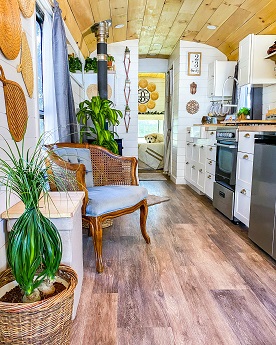
Introduction to Small Space Decorating
Decorating small spaces presents a unique set of challenges and opportunities, demanding innovative strategies to create functional and aesthetically pleasing environments. In urban settings, where living areas are often constrained, maximizing every inch of available space becomes essential to achieving both comfort and style. The necessity to efficiently utilize limited square footage encourages creative problem-solving and can lead to surprisingly transformative results.
One of the core principles of small space decorating is the concept of multi-functionality. Furnishings that serve dual purposes not only save space but also enhance the overall utility of the area. For instance, opting for a sofa bed enables a living area to double as a guest room, while nesting tables can be easily tucked away when not in use. By focusing on versatile pieces, homeowners can ensure their living space remains adaptable without sacrificing style.
Moreover, the visual perception of space is significantly influenced by color palette and arrangement. Light, neutral colors tend to reflect more light, making a room feel larger and airier. Additionally, strategic placement of mirrors can create an illusion of depth, further augmenting the feeling of spaciousness. Integrating vertical storage solutions, such as wall-mounted shelves or tall bookcases, can also help to keep the floor area clear and organized, directly contributing to a sense of harmony and tidiness.
Ultimately, small space decorating is about finding balance and prioritizing essential items while expressing personal taste. By understanding the interplay of functionality and design, individuals can craft a living environment that not only addresses the inherent constraints of small spaces but also showcases creativity and sophistication. This approach sets the groundwork for exploring specific strategies and ideas that can make a significant impact on limited living areas.
Embrace Minimalism
In the world of small space decorating, the principles of minimalism can be remarkably transformative. Minimalism is more than just a design aesthetic; it embodies a lifestyle choice that emphasizes simplicity and functionality. By adopting a minimalist approach, one can create an environment that feels open and inviting, even in the most compact of settings.
One of the primary benefits of minimalism is the removal of clutter. Clutter not only occupies physical space but can also overwhelm the senses, leading to a sense of chaos. By simplifying your belongings and focusing on what is truly essential, you can foster a serene and organized atmosphere. It is essential to evaluate each item in the space and ask yourself whether it serves a functional purpose or brings joy. By doing so, you can curate a selection of belongings that reflect your personal style while enhancing the overall spatial quality.
Multifunctional furniture is another crucial component of minimalist design. In small areas, every item should serve multiple purposes to maximize efficiency and utility. For instance, a sofa bed can transform a living room into a guest room, while a coffee table with hidden storage can cleverly conceal magazines and remotes, further reducing visual clutter. By choosing pieces that offer versatility, you can optimize your space without compromising on style or comfort.
Additionally, a simple color palette can significantly impact the perception of space. Light colors, such as whites and pastels, tend to open up a room and create an airy feel. A cohesive color scheme, devoid of excessive patterns or contrasts, can also help unify the space, making it appear larger than it truly is. By strategically selecting colors and maintaining a minimalist aesthetic, your small space can transform into a calm, organized oasis.
Smart Storage Solutions
In small living spaces, effective storage solutions are essential for maintaining organization and maximizing functionality without sacrificing style. Innovative methods can help you make the most of limited space, ensuring that every inch serves a purpose. One popular option is under-bed storage, which utilizes the often-overlooked area beneath your bed. This space can be transformed into a practical storage solution with bins, drawers, or even rolling containers. Items such as seasonal clothing, shoes, or extra linens can be neatly tucked away while remaining easily accessible.
Another effective strategy is to utilize vertical space through wall-mounted shelves. These shelves can showcase decorative items, books, or even kitchen essentials, helping to clear clutter from countertops and floors. By keeping items off the ground, wall-mounted shelves not only create a sense of openness but also draw the eye upward, which can make a small room appear larger. Additionally, installing hooks or pegboards alongside shelves can provide further organization for frequently used tools or accessories.
Furniture with built-in storage also presents an excellent opportunity for optimizing space in small homes. Many modern designs incorporate hidden compartments, such as ottomans with interior storage or coffee tables that lift to reveal space for items. These multifunctional pieces not only serve a practical purpose but can also be styled to align with your overall interior aesthetic. Selecting furniture that serves dual purposes maximizes storage while maintaining a cohesive and stylish environment.
By integrating these smart storage solutions, individuals living in small spaces can enhance functionality while ensuring that their homes remain organized and inviting. Thoughtful planning and creative approaches can significantly impact how small rooms are perceived and utilized.
Use Mirrors Effectively
Mirrors are powerful tools in interior design, particularly when it comes to decorating small spaces. They possess the unique ability to create an illusion of depth and light, which can significantly enhance the overall ambiance of a room. By using mirrors strategically, one can manipulate how space is perceived, making it appear larger and more open.
One effective approach to utilizing mirrors is to consider their placement. For instance, positioning a mirror opposite a window allows natural light to bounce around the room, illuminating dark corners and giving the impression of expanded dimensions. Moreover, a large wall-mounted mirror can serve as a stunning focal point, drawing the eye and making the space feel more inviting.
There are various types of mirrors to consider, each serving different aesthetic and functional purposes. A decorative mirror with an ornate frame can add character and style, while a simple, frameless mirror contributes a more modern touch. Full-length mirrors, on the other hand, not only provide a practical function for daily grooming but also help in making the space feel elongated, especially in tight areas like hallways or bedroom corners.
Beyond visual enhancements, mirrors also have psychological effects on room design. They can create a sense of openness and reduce feelings of claustrophobia that may accompany small spaces. The reflective surfaces engage the eye and can provide a calming effect, which is vital for maintaining an enjoyable and functional living environment. Additionally, incorporating mirrors in various designs—from sleek, contemporary to vintage or eclectic styles—allows for a versatile approach that can align with individual taste.
Color Choices That Open Up a Space
Color choice plays a crucial role in the perception and ambiance of small spaces. When decorating a compact area, opting for light and airy colors can create an illusion of more space. Shades such as soft whites, pale blues, and gentle pastels reflect natural light, giving the environment a breezy, expansive feel. These colors not only enhance brightness but also at the same time can make walls appear to recede, thus visually enlarging the space.
In addition to light hues, the concept of color blocking can be effectively utilized in small areas. By incorporating blocks of color rather than solely relying on solid tones, you can introduce dimensions and contrast without overwhelming the room. For instance, painting one wall a bolder color while keeping the others light can create a focal point that leads the eye upwards or across the room. This technique can strategically shift attention, making the room feel less confined.
On the other hand, introducing bold accent colors can also have a significant impact on small spaces. While the walls might be adorned in softer shades, adding vibrant accessories such as cushions, artwork, or rugs can add personality without making the area feel cramped. These accents can act as visual anchors, bringing interest and vibrancy that can invigorate the overall space.
Ultimately, harmonizing light, neutral colors with strategic pops of bold hues allows for a more versatile decorating strategy that not only makes the space feel larger but also more inviting. By thoughtfully selecting colors, a small area can be transformed into a more open, welcoming environment that reflects personal style and enhances livability.
Creative Furniture Layouts
In the realm of small space decorating, the arrangement of furniture plays a critical role in maximizing usability while enhancing the visual appeal of a room. A well-thought-out layout not only makes a space feel more open but can also encourage efficient movement and interaction within the environment. To achieve this, consider unconventional furniture layouts that challenge traditional norms.
One effective strategy is the implementation of floating furniture arrangements. Instead of positioning all pieces against the walls, place certain elements, such as sofas or chairs, away from the walls, creating a more intimate seating area. This method not only allows for better flow but also defines distinct zones within the room, granting a sense of spaciousness despite a smaller footprint. Using rugs to delineate these areas can further enhance the visual separation, establishing a multifunctional space without the clutter.
Additionally, think about dividing spaces using furniture as room dividers. Bookshelves, open cabinets, or even strategically placed sofas can create distinct functional zones, providing privacy for various activities, such as working or entertaining. This approach encourages diverse usage of each area, allowing for divided yet cohesive spaces that enhance the overall functionality.
Incorporating multifunctional furniture is another avenue for optimizing layout. Consider items like ottomans that double as storage or a coffee table that can be transformed into a dining space. By selecting versatile pieces, you eliminate the need for excess furniture, thereby minimizing clutter and making the environment more open and inviting.
Ultimately, thoughtful furniture layouts are paramount in small spaces. By embracing creative arrangements and multifunctional solutions, one can significantly enhance how space is utilized, resulting in a more comfortable and aesthetically pleasing living environment.
Dressing Up Vertical Space
In small space decorating, the effective utilization of vertical space can significantly enhance both functionality and aesthetic appeal. A common challenge faced by individuals in limited square footage is the tendency to overlook walls, which offer ample potential for creative and efficient storage solutions. By considering the use of tall bookshelves, wall art, and hanging plants, one can transform these often-neglected vertical surfaces into stylish focal points.
Tall bookshelves are an excellent way to maximize vertical space while providing an organized display for books and decorative items. By opting for shelves that reach towards the ceiling, you draw the eye upwards, giving the impression of a larger space. Furthermore, a well-styled bookshelf can serve as an attractive backdrop that adds character to the room. When arranging items, consider mixing books with decorative pieces or plants, creating interest and a sense of balance.
Wall art also plays a crucial role in dressing up vertical surfaces. Large, statement pieces can make a small room feel more expansive by creating a focal point that captivates attention. Moreover, a gallery wall can be a creative outlet, allowing you to showcase a collection of artworks or photographs while utilizing the height of the wall effectively. It is essential to curate the selection thoughtfully to ensure that it enhances the room’s overall theme.
Incorporating hanging plants is another innovative way to utilize vertical space. By using wall-mounted planters or macramé hangers, greenery can be added without consuming valuable floor space. This not only promotes a natural ambiance but also introduces depth and texture to the room’s design. These vertical gardens can thrive even in limited sunlight, making them a versatile decorating option.
Incorporating Multi-Purpose Furniture
In the realm of small space decorating, one of the most effective strategies is the incorporation of multi-purpose furniture. This type of furniture serves dual (or even multiple) functions, making it an excellent solution for those who wish to maximize their available space without sacrificing style or comfort. By integrating pieces that can transform both their appearance and utility, homeowners can achieve a more versatile and functional living environment.
One common example of multi-purpose furniture is the sofa bed. This piece serves as both a comfortable seating area during the day and easily converts into a bed for overnight guests. The aesthetic versatility of sofa beds allows them to blend seamlessly with various interior styles while providing practical benefits when hosting friends or family.
Another option worth considering is the extendable dining table. In smaller living areas, a standard dining table can occupy significant floor space. An extendable table, however, can be compact when not in use and can open up to accommodate guests during gatherings. This adaptability ensures that homeowners do not have to compromise on social dining experiences, even in constricted areas.
Foldable desks also exemplify the practicality of multi-purpose design, particularly for individuals working from home in limited spaces. These desks can be discreetly tucked away when not in use, thus maintaining an uncluttered environment. Many models also come with additional storage options, further enhancing their functionality.
Ultimately, incorporating multi-purpose furniture is a strategic approach to small space decorating. It offers an efficient solution that adds layers of comfort and utility without overwhelming the living space. By integrating such elements, individuals can successfully navigate the challenges of limited square footage while enjoying a stylish and functional home.
Final Thoughts and Inspiration
In conclusion, decorating small spaces presents unique challenges, yet it also opens the door to remarkable creativity and innovation. Throughout this blog post, we have explored various strategies that can transform compact areas into stylish and functional environments. Prioritizing multi-functional furniture, utilizing vertical space, and selecting colors wisely can significantly enhance the ambience of smaller rooms. Additionally, incorporating clever storage solutions ensures that even the tiniest corners of a space can be optimally utilized while remaining aesthetically pleasing.
As you embark on your decorating journey, remember that inspiration can be found in numerous places. Online platforms such as Pinterest and Instagram showcase a plethora of small space decorating ideas from talented designers and homeowners alike. Home decor blogs and magazines are also a great resource, offering in-depth tutorials and fresh perspectives on design trends. Furthermore, home decor shows on television can provide practical insight and creative ideas that you can incorporate into your own space.
Embrace the challenge of small space decorating as an opportunity to express your unique style. Whether you prefer a minimalist look or a more eclectic feel, the key is to experiment with layout and decor until you find the perfect balance. Let your imagination guide you in choosing the right elements that reflect your personality while ensuring functionality. By seeking inspiration and approaching each small space with an open mind, you can create a home that feels both spacious and inviting.