
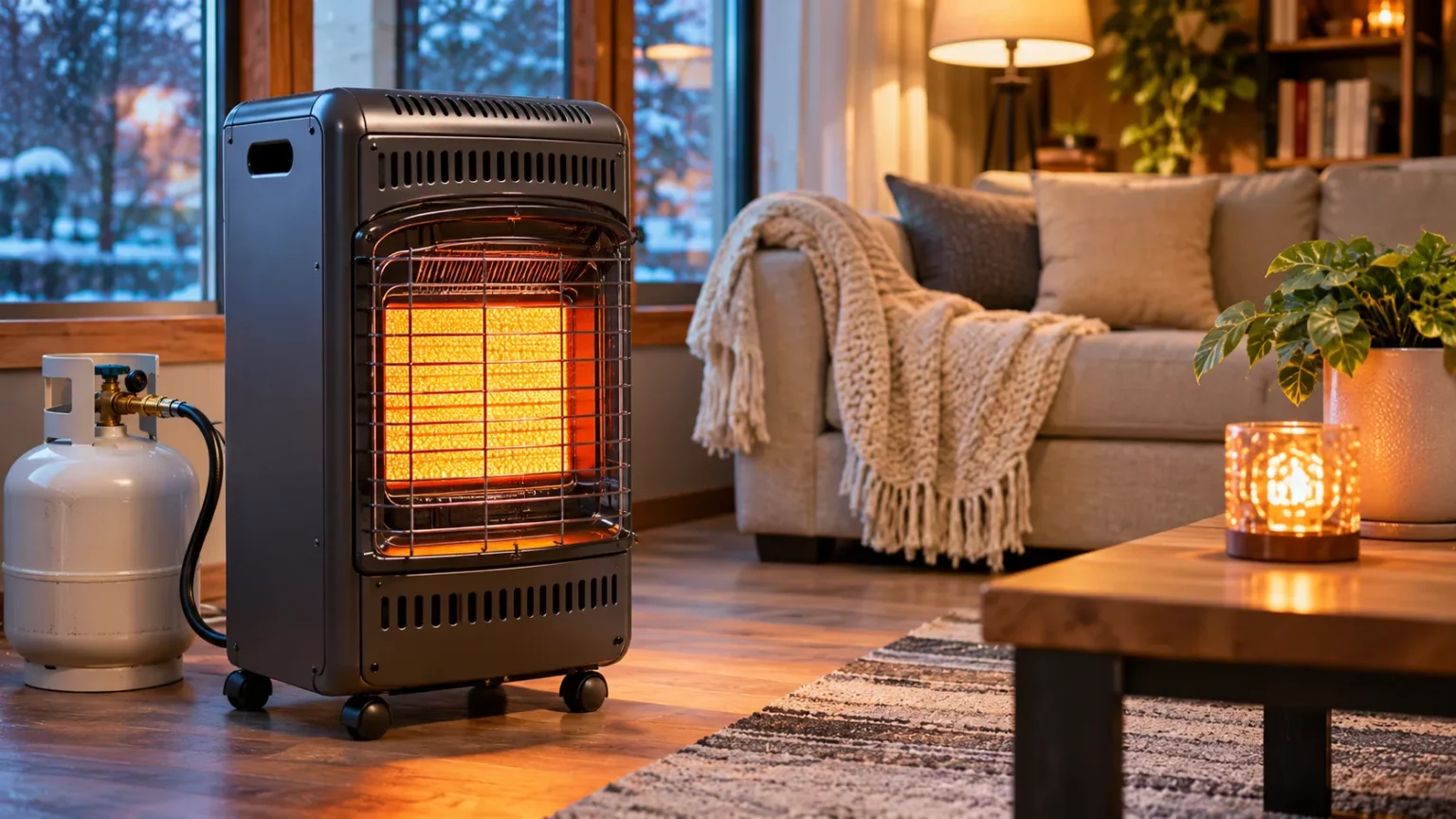
An indoor propane heater can provide warmth during cold weather, but it also introduces important safety concerns. Unlike electric heaters, propane heaters burn fuel to produce heat. This combustion process creates risks involving carbon monoxide, fire, oxygen availability, and gas leaks. Understanding these hazards is essential before considering propane heating inside a home or other enclosed space.
Learning about indoor propane heater safety can help homeowners recognize dangerous conditions and understand the importance of certified equipment. Not every propane heater is designed for indoor environments. Outdoor-only models can create serious hazards when brought inside, even if they appear similar to approved indoor appliances.
This guide explains how propane heaters produce heat, the difference between indoor and outdoor models, and the most important safety precautions. It also covers ventilation, carbon monoxide detectors, fire prevention, maintenance, and warning signs that require immediate attention. The goal is to support informed decisions about home heating and personal safety.
What Is an Indoor Propane Heater?
An indoor propane heater is a heating appliance designed to produce warmth by burning propane gas. Propane is a fuel commonly used in heating systems, cooking equipment, and certain outdoor appliances. When burned, it releases heat that can warm nearby surfaces or surrounding air. Different heater designs transfer that heat in different ways.
Some propane heating systems are permanently installed and connected to an appropriate venting arrangement. Others are portable appliances specifically designed and approved for certain indoor environments. These categories have different installation requirements and limitations. A heater intended for one setting should not automatically be considered appropriate for another.
Propane heating equipment requires careful attention because combustion produces gases and consumes oxygen. Safe operation depends on the appliance design, installation, ventilation, and ongoing maintenance. Manufacturer instructions and local safety regulations are essential. For households uncertain about an appliance’s suitability, a qualified heating professional should evaluate the equipment.
Are Propane Heaters Safe for Indoor Use?
Some propane heaters are specifically designed and approved for indoor use under defined conditions. However, this does not mean every propane heater is safe inside a home. Outdoor heaters, camping appliances, and construction heaters may have very different requirements. Bringing unsuitable equipment indoors can create dangerous carbon monoxide concentrations and fire hazards.
Even appliances labeled for indoor use have limitations. They may require particular room conditions, ventilation arrangements, professional installation, or other safety measures. Equipment approval applies to the circumstances described by the manufacturer. It is not a general guarantee that the heater is safe in every enclosed space.
The safest approach is to avoid using any propane heater indoors unless its approval and intended environment are clearly established. A qualified professional can assess installation requirements and local regulations. Never assume that the absence of visible smoke means an appliance is operating safely. Dangerous combustion gases can be present without obvious warning signs.
Indoor vs. Outdoor Propane Heaters
Indoor and outdoor propane heaters may look similar, but they are not designed for identical environments. Outdoor models are intended for locations with substantial natural airflow. Their combustion characteristics and safety requirements may differ from appliances approved for indoor spaces. These differences are especially important when considering carbon monoxide exposure.
An outdoor patio heater, for example, is not appropriate for heating a bedroom or living room. Similarly, equipment intended for outdoor construction work should not be moved into an enclosed household space. Enclosed locations can allow dangerous gases to accumulate. Labels and product descriptions must be interpreted according to the equipment’s intended purpose.
Consumers should be cautious about vague advertising phrases such as portable, compact, or efficient. None of these terms establishes indoor suitability. Only clear manufacturer documentation and applicable safety approval can identify the intended environment. When information is missing or uncertain, the appliance should remain unused until its safety has been professionally verified.
Carbon Monoxide Risks From Propane Heaters
Carbon monoxide is one of the most serious hazards associated with fuel-burning heating appliances. It is a poisonous gas that has no color or smell. Carbon monoxide can form when propane or other fuels burn incompletely. Dangerous concentrations may develop without producing visible smoke or an obvious warning odor.
Exposure to carbon monoxide can cause headaches, dizziness, weakness, nausea, and confusion. More serious exposure can affect consciousness and become life-threatening. Symptoms may initially resemble common illnesses, making the problem difficult to recognize. Multiple people developing similar unexplained symptoms inside the same building can be an important warning sign.
Carbon monoxide safety requires more than simply purchasing an indoor-rated appliance. Appropriate installation, maintenance, ventilation, and functioning alarms all contribute to protection. A carbon monoxide detector cannot prevent the gas from being produced. It serves as an important warning device that may alert occupants when dangerous conditions develop.
Why Ventilation Matters for Indoor Propane Heating
Ventilation is important because fuel-burning appliances affect indoor air quality and require sufficient air for combustion. Depending on the design, combustion gases may need to be directed outdoors through an approved venting system. Inadequate ventilation can increase the risk of harmful gas accumulation. The requirements vary between heating technologies.
Some appliances are designed with dedicated exhaust systems, while other approved models have different ventilation requirements. These arrangements must be evaluated according to manufacturer instructions and applicable building codes. Simply opening a window is not a reliable substitute for proper installation. Improvised airflow arrangements may fail to prevent dangerous conditions.
Ventilation problems are particularly concerning in small, tightly enclosed rooms. Poorly maintained equipment or blocked exhaust pathways can create additional hazards. A qualified professional should determine whether an appliance and its ventilation system are appropriate for the location. Household occupants should never modify or obstruct safety-related ventilation components.
The Importance of Carbon Monoxide Detectors
Carbon monoxide detectors are essential safety devices in homes containing fuel-burning appliances. They are designed to warn occupants when carbon monoxide reaches certain concentrations. Because the gas cannot be identified by smell or appearance, an alarm can provide an important early warning. However, detectors are not replacements for properly maintained heating systems.
Homes should have carbon monoxide alarms positioned according to local safety guidance and manufacturer recommendations. Common recommendations include placing alarms near sleeping areas and on appropriate levels of the home. Exact placement depends on the building and detector model. A qualified professional can help identify suitable locations.
Detectors also require regular attention to remain reliable. Households should follow the manufacturer’s guidance for testing, maintenance, and replacement. Expired or malfunctioning alarms may not provide appropriate protection. If a carbon monoxide alarm sounds, occupants should leave the building immediately and contact emergency services from a safe location.
Fire Hazards Associated With Propane Heaters
Fire is another important risk associated with indoor heating equipment. Propane appliances generate heat, and nearby combustible materials can ignite when exposed to sufficiently high temperatures. Curtains, furniture, bedding, paper, and clothing are examples of materials that may create hazards. Portable equipment also introduces concerns involving accidental movement or instability.
A heater placed too close to household objects can increase the risk of fire. The necessary separation distances depend on the appliance and manufacturer’s requirements. Households should not rely on guesswork when evaluating placement. A professional assessment is especially useful when a heating appliance is installed near furniture or other combustible materials.
Fire prevention also requires attention to supervision and appliance condition. Portable heaters should not be left operating while occupants are asleep or away. Children and pets should be kept away from hot equipment. Smoke alarms, clear escape routes, and an established household emergency plan provide additional protection.
Propane Gas Leaks and Warning Signs
Propane leaks are another serious concern because escaped gas can create fire or explosion hazards. Propane is naturally odorless, but suppliers commonly add an odorant to help people recognize leaks. The added smell is often compared to rotten eggs. However, a person may not always notice the odor.
A suspected leak should be treated as an emergency rather than a routine maintenance problem. Occupants should leave the affected area immediately and keep others away. Avoid operating electrical switches, phones, flames, or appliances inside the potentially affected space. Contact emergency services or the gas supplier from a safe location outdoors.
Never attempt to locate or repair a suspected propane leak without appropriate professional qualifications. Damaged connections, faulty components, and improper installations require expert attention. The absence of a noticeable smell does not guarantee that a system is leak-free. Regular professional inspections are important for identifying problems before they become dangerous.
Safety Features Found in Indoor-Rated Propane Heaters
Some indoor-rated propane heaters include safety features intended to reduce particular operating risks. These may include automatic shutoff mechanisms, flame-failure protection, and oxygen-depletion sensors. The availability of these features varies by product. They should be understood as additional safeguards rather than substitutes for safe installation and professional maintenance.
An oxygen-depletion sensor is designed to interrupt operation under certain conditions involving reduced oxygen availability. A tip-over shutoff may respond when a portable appliance is displaced. These mechanisms can address specific hazards. However, they cannot detect every possible malfunction or guarantee protection from all carbon monoxide risks.
Consumers should also understand the importance of recognized safety certification and clear manufacturer documentation. Product approval should be relevant to the exact appliance and its intended environment. A single safety feature does not make an outdoor heater suitable for indoor use. Professional guidance remains important when evaluating unfamiliar heating equipment.
Safe Propane Storage and Professional Maintenance
Propane storage creates safety considerations separate from the heater itself. Cylinders and fuel systems must be handled according to applicable fire codes and supplier requirements. Many portable propane cylinders should be stored outdoors in approved locations rather than inside homes. Improper storage can increase the consequences of leaks or accidental damage.
Heating systems also require periodic maintenance because components can deteriorate over time. A qualified technician can inspect the appliance, relevant connections, ventilation arrangements, and safety controls. Warning signs such as unusual operation, repeated shutdowns, or visible damage should not be ignored. Equipment showing possible defects should remain unused until professionally assessed.
Household occupants should not attempt unfamiliar repairs or modify protective components. Changes to gas connections, exhaust systems, or safety controls can create additional hazards. Keeping manufacturer documentation available helps professionals identify the correct requirements. A consistent maintenance schedule can support safer heating and reduce avoidable equipment problems.
Can an Indoor Propane Heater Be Used While Sleeping?
Portable propane heaters should not be left operating while people are sleeping. Sleep reduces the ability to notice unusual sounds, smoke, odors, or early symptoms of exposure. A malfunction could therefore continue without anyone recognizing the danger. Carbon monoxide is especially concerning because it has no smell or visible appearance.
An automatic shutoff feature does not make unattended overnight operation risk-free. Sensors and other protective components address specific conditions, but they cannot guarantee that every possible hazard will be detected. A working carbon monoxide detector provides another layer of protection. It should never be considered permission to ignore heater restrictions.
Permanently installed heating systems have different operating requirements and may be designed for normal overnight service. Their safety depends on professional installation, approved venting, and regular maintenance. Portable appliances should not be treated as substitutes for a properly designed household heating system. Consult a qualified heating professional when reliable nighttime warmth is needed.
What to Do When a Propane Heater Seems Unsafe
An indoor propane heater may require attention if it produces unusual odors, repeated operational problems, or unexpected changes in performance. Visible damage and unexplained alarm activation are also warning signs. However, dangerous carbon monoxide can be present without noticeable equipment problems. The absence of obvious defects is not proof of safety.
If a carbon monoxide alarm sounds or occupants experience symptoms suggesting carbon monoxide exposure, everyone should move into fresh outdoor air immediately. Emergency services should be contacted from outside the building. Do not return until emergency personnel confirm that the area is safe. Anyone experiencing symptoms should receive prompt medical evaluation.
A suspected gas leak also requires immediate evacuation and professional emergency assistance. Do not attempt repairs or investigate the source personally. For non-emergency concerns, discontinue use and arrange an inspection by a qualified technician. Early professional assessment is safer than continuing to operate equipment that may be malfunctioning.
Choosing Safer Heating Alternatives
Households considering supplemental heating should compare different technologies rather than assuming propane is the most suitable option. Properly installed central heating, heat pumps, and appropriately selected electric heaters may provide alternatives. Each system has different installation requirements and operating costs. The appropriate choice depends on the home and local conditions.
Electric heaters do not produce carbon monoxide through fuel combustion at the point of use. However, they still present fire and electrical hazards if misused. Suitable equipment selection, safe electrical connections, and adequate separation from combustible materials remain important. A qualified professional can help assess the home’s heating and electrical requirements.
Improving insulation and reducing unwanted heat loss can also make a home more comfortable. Weather sealing and professional energy assessments may help identify areas needing attention. These improvements can reduce the demand placed on heating equipment. A comprehensive approach to home heating often provides better long-term results than relying on an unsuitable portable appliance.
Conclusion
Indoor propane heaters can provide warmth, but their safety depends on appliance suitability, proper installation, ventilation, and ongoing maintenance. Not every propane heater is designed for use inside buildings. Outdoor-only equipment can create serious hazards in enclosed spaces. Understanding these differences is essential for protecting household occupants.
Carbon monoxide exposure, fire, and gas leaks are among the most important concerns associated with propane heating. Working carbon monoxide alarms, professional inspections, and compliance with manufacturer requirements provide important layers of protection. Portable heaters should not be left operating during sleep or unattended periods. Any suspected leak or carbon monoxide emergency requires immediate action.
The safest heating decisions begin with understanding equipment limitations and seeking qualified guidance. Never assume that a heater is suitable simply because it is advertised as portable or efficient. Consider approved alternatives when indoor propane heating is inappropriate. With careful planning and professional support, households can reduce avoidable heating risks and maintain a safer living environment.
Frequently Asked Questions
Are indoor propane heaters safe to use?
Some propane heaters are specifically designed and approved for indoor environments, but they still require appropriate conditions and maintenance. Outdoor-only models must never be used indoors because of serious carbon monoxide and fire risks.
Do indoor propane heaters produce carbon monoxide?
Propane combustion can produce carbon monoxide, particularly when combustion is incomplete. The gas is colorless and odorless. Proper installation, ventilation, maintenance, and carbon monoxide alarms are important protective measures.
Do propane heaters need ventilation indoors?
Yes, propane heating appliances have combustion air and ventilation requirements that depend on their design. These requirements must follow manufacturer instructions and applicable safety codes. Opening a window is not a substitute for proper installation.
Can you sleep with an indoor propane heater running?
Portable propane heaters should not remain operating while people sleep. Carbon monoxide, fire, and equipment malfunctions can create serious risks. Permanently installed heating systems follow different requirements and should be professionally maintained.
What are the warning signs of an unsafe propane heater?
Warning signs include gas odors, visible damage, unusual operation, and activated carbon monoxide alarms. Headache, dizziness, nausea, or confusion may also indicate carbon monoxide exposure and require immediate evacuation and emergency assessment.