
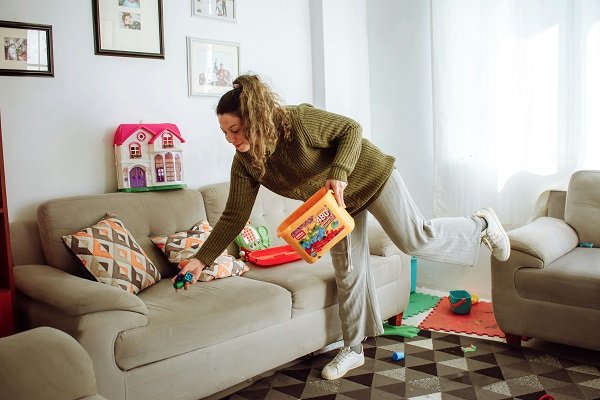
Decluttering is more than just a practical task; it plays a significant role in fostering a healthier living environment. The accumulation of clutter can lead to a range of issues affecting one’s psychological well-being. A clean space often equates to a clearer mind, where the absence of chaos significantly reduces stress levels. Individuals frequently report feeling overwhelmed by excessive belongings, which can evoke feelings of anxiety and a diminished sense of control over one’s surroundings.
The psychological benefits of a decluttered home are manifold. Research has shown that environments inundated with unnecessary items can trigger feelings of stress and frustration, making it increasingly challenging to concentrate on tasks at hand. When a space is organized and free of clutter, individuals often experience enhanced productivity. This is due in part to the reduced distractions present in a tidy space, allowing for more focus on the important tasks that require attention.
Furthermore, the act of decluttering itself can serve as a form of self-care, contributing positively to one’s mental clarity. The process of sorting through belongings encourages individuals to assess what they truly value, fostering a sense of accomplishment as items are removed. This evaluation leads not only to a cleaner space but also to a more harmonious mindset, as individuals learn to appreciate the items they choose to keep. Ultimately, decluttering serves as a crucial step in facilitating a more organized and peaceful atmosphere, which can profoundly influence overall well-being. Moreover, a well-structured living environment reflects positively on many areas of daily life, reinforcing the essential connection between our physical and mental states.
Preparing for Your Decluttering Weekend
Embarking on a decluttering weekend can transform not only your living space but also your mindset. Preparation plays a vital role in ensuring that the decluttering process is efficient and rewarding. To begin, it is important to set clear and achievable goals. Identify specific outcomes you desire—do you want to clear a particular room, donate unused items, or simplify your belongings? Establishing these objectives will guide your weekend efforts.
Next, create a realistic schedule for your decluttering tasks. Break down the weekend into manageable segments, dedicating specific time blocks for each area of focus. Consider tackling one room at a time or segmenting the process by different types of items, such as clothes, books, or kitchenware. This structured approach will not only keep you organized but also provide a sense of accomplishment as you check each completed task off your list.
Gather necessary supplies before the weekend arrives. This may include trash bags for items to discard, boxes for donations or items to keep, and cleaning supplies to refresh the space once it is clutter-free. Having everything at hand will prevent unnecessary interruptions and help maintain momentum during the decluttering process. It is also helpful to prepare labels for the boxes or bags to categorize items efficiently as you work.
Prioritize the areas you wish to declutter. Start with spaces that feel particularly cluttered or that significantly affect your daily routine. Additionally, consider which areas will have the most significant impact on your well-being and productivity. This focus will help keep you motivated when faced with the challenge of sorting through your belongings.
Step-by-Step Decluttering Process
To effectively declutter your home in one weekend, it is essential to follow a structured approach. The first step in this process involves a clear understanding of your goals. Decide what areas of your home require attention and what outcomes you desire. A common method used for decluttering is the ‘Four-Box Method,’ which involves categorizing items into four distinct boxes: Keep, Donate, Sell, and Trash.
Start with a single room or space, and systematically assess each item. As you pick up each object, ask yourself whether it serves a clear purpose or brings you joy. If the answer is no, place it in the appropriate box. The ‘Keep’ box should only contain items that are essential or bring satisfaction, while the ‘Donate’ box is for those items that are still usable but no longer needed. The ‘Sell’ box is meant for items of value that can be resold, and the ‘Trash’ box is for damaged goods that cannot be salvaged.
Next, set a timer for each room to facilitate focused decision-making. Aim for 20 to 30 minutes per area to maintain motivation and momentum. This time limit encourages quick assessments, reducing the likelihood of second-guessing your decisions. After sorting through a room, immediately deal with the boxes: take the trash out, deliver donations to a local charity, and list items for sale online or prepare them for a garage sale.
Approach each room with a plan. For instance, start with high-traffic areas such as the living room or kitchen, as these are often sources of clutter. Next, tackle personal spaces like bedrooms and home offices, where emotional attachments to items may lead to indecision. Take frequent breaks to avoid fatigue, ensuring you maintain clear thinking throughout the process.
Ultimately, the goal of this step-by-step decluttering process is to create a systematic way to make rational decisions about the items in your home. This approach not only aids in achieving immediate results but also fosters long-term maintenance of a streamlined and organized space.
Maintaining a Clutter-Free Home After the Weekend
After dedicating an entire weekend to decluttering your home, the key challenge lies in ensuring that your newly organized space remains just that—organized. To achieve this, it is essential to establish sustainable habits and systems that promote a clutter-free environment. An effective strategy is to implement a regular clean-up schedule. Setting aside time each week to tidy up can significantly reduce the risk of clutter accumulating once more. During this time, focus on areas that tend to attract disarray, ensuring surfaces and storage spaces are kept neat and orderly.
Another integral component of maintaining an orderly home is investing in smart storage solutions. Utilizing adjustable shelving, labeled bins, or multifunctional furniture can optimize space while keeping common areas organized. Not only do these solutions maximize your storage capability, but they also make it easier to find and access items when needed, discouraging the tendency to leave things scattered around.
Establishing a “one in, one out” rule can also help maintain equilibrium in your home. This principle encourages you to let go of an item every time you acquire something new, thereby preventing any influx of new clutter. By being conscious of what enters your space, you can sustain clarity and function in your living environment.
Finally, cultivating mindfulness in consumption is crucial in the fight against clutter. Before bringing in new purchases, consider whether they serve a purpose or bring joy to your life. This restraint not only benefits your home’s organization but positively impacts your overall well-being. By implementing these strategies consistently, you will find it easier to maintain a clutter-free home long after the initial decluttering effort.