
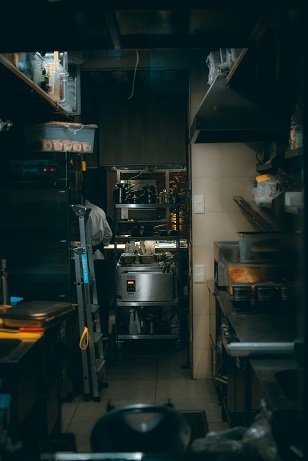
When embarking on the journey of creating a functional cooking space, the first step involves a thorough assessment of your kitchen area and your specific requirements. Understanding the dimensions of your cooking space and evaluating the current layout are essential actions that can significantly influence the overall efficiency of your kitchen. Begin by measuring the space noting the location of windows, doors, and electrical outlets will provide a foundational understanding of how to best utilize the area.
Taking inventory of existing appliances and kitchen layout tips fixtures is equally important. This process allows you to identify what equipment is already present and what may need replacement or upgrade. Consider the functionality of each item; for instance, if you seldom use a slow cooker or an ice cream maker, it may not warrant valuable counter space. Conversely, identifying frequently used tools can inform decisions about their placement for maximum accessibility.
Furthermore, it is crucial to contemplate your cooking habits and how they correlate with your family size and lifestyle. For example, if you regularly cook for a large family, ample counter space and additional storage may be required to accommodate bulk ingredients and cooking utensils. When evaluating your needs, ask yourself whether you prefer a minimalist setup or require a variety of appliances and gadgets to experiment with diverse culinary techniques.
Lastly, consider potential enhancements to your cooking space, such as adding a kitchen layout tips island for extra prep space and storage, or investing in open shelving for displaying cookbooks and decorative items. This not only boosts functionality but also elevates the aesthetic appeal of the kitchen. An informed assessment of your cooking space facilitates an effective design process, ensuring a kitchen that aligns well with your culinary goals.
Designing an Efficient Layout
Creating an effective kitchen layout is essential for crafting a functional cooking space that enhances usability and efficiency. Among the most popular designs are U-shaped, L-shaped, and galley kitchens, each serving unique needs and preferences. U-shaped kitchens provide ample storage and counter space, allowing for multiple cooks to work simultaneously without crowding one another. Conversely, L-shaped kitchens are ideal for smaller spaces while still offering sufficient work areas for meal preparation and cooking. Galley kitchens, characterized by two parallel countertops, are particularly effective in maximizing efficiency in smaller kitchens where space is at a premium.
At the core of these designs is the concept of the ‘work triangle,’ which aims to streamline the workflow between the fridge, stove, and sink. This design principle ensures that the three essential work zones are placed within a triangular configuration, minimizing unnecessary movement between these areas while cooking. For an efficient layout, the distance between these points should be neither too short nor too far apart, ideally ranging between 4 to 9 feet. This encourages a smooth flow of activity, enhancing the cooking experience.
In addition to the work triangle, the clear pathways between the various kitchen layout tips zones play a vital role in overall functionality. Keeping clear traffic routes allows for easy access to the necessary appliances and equipment without obstruction. When arranging appliances and furniture, it is crucial to ensure that doors can open fully without hindrance and that there are no bottlenecks where multiple individuals might struggle to navigate simultaneously. By prioritizing a thoughtful layout that emphasizes efficiency and convenience, one can create a kitchen that is not only functional but also enjoyable to cook in.
Incorporating Essential Tools and Equipment
Creating a functional cooking space relies heavily on the tools and equipment selected for efficiency and ease of use. A well-equipped kitchen layout tips should feature a mix of must-have gadgets, utensils, and appliances that can simplify various cooking tasks. When curating your kitchen tool collection, it is crucial to prioritize quality over quantity. Investing in a few high-quality items will often yield better results than having a plethora of lower-quality tools.
Start with essential utensils, such as sturdy chef’s knives, a versatile cutting board, and measuring cups. A reliable set of kitchen knives is fundamental for efficient food preparation, while a heavy-duty cutting board can withstand continuous use across multiple tasks. Additionally, tools such as peelers, spatulas, and tongs should not be overlooked, as they assist in simplifying cooking processes.
In terms of appliances, consider integrating multi-functional devices that can serve several purposes. For instance, a food processor can chop, slice, and puree, significantly reducing preparation time. Similarly, an electric mixer can handle both baking needs and meal prep, making it a valuable asset. Another admirable addition is an Instant Pot, which combines a slow cooker, pressure cooker, and rice cooker in one device, perfect for maximizing both space and versatility.
Furthermore, think about storage solutions for your tools and equipment. Attractive yet practical storage options, such as drawer organizers or magnetic knife strips, keep the kitchen orderly while enhancing accessibility. Overall, assembling the right combination of essential tools and choosing quality products will foster a cooking environment that supports creativity and productivity. Take the time to analyze your cooking habits and select tools and equipment accordingly for a truly functional culinary experience.
Organizing Your Cooking Space for Maximum Efficiency
Creating a well-organized cooking space can significantly enhance your culinary experience, making it more enjoyable and less stressful. One of the first steps is to assess your existing layout and identify areas that require improvement. Begin by categorizing your kitchen items, such as utensils, cookware, and ingredients, then establish a logical system for their storage. For instance, keep pots and pans near the stove for easy access when preparing meals.
When it comes to cabinet organization, consider utilizing vertical space by installing shelves or using stackable containers to maximize storage options. Frequently used items should be placed at eye level, while less common tools can be stored higher up or in less accessible locations. Utilizing drawer dividers can also facilitate a tidy arrangement of utensils, preventing chaos during meal preparation.
Pantry management is equally important in crafting an efficient cooking environment. Ensure that all items are clearly labeled and visible, using transparent containers if possible. This practice can help avoid duplicate purchases and reduce food waste. Organize pantry contents by grouping similar items together or categorizing them based on meal types, which can streamline the cooking process.
Countertop utilization plays a critical role in maintaining a functional cooking space. Keep countertop appliances to a minimum and only display those you use frequently. Consider installing wall-mounted shelving to free up valuable counter space for meal preparation. Additionally, integrating a command center for recipes and notes can keep your cooking area organized.
Finally, regular decluttering is essential for preserving an efficient kitchen. Routinely evaluate your tools and ingredients, discarding items that are no longer needed or expired. By implementing these organizational strategies, your cooking space will become not only more functional but also aesthetically pleasing, ensuring a pleasant experience every time you step into the kitchen.