
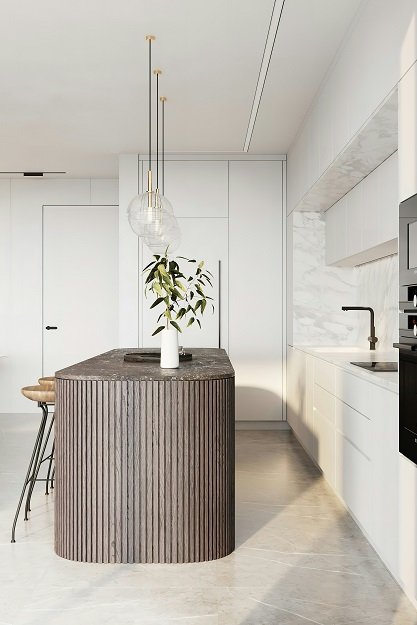
In contemporary home design, the Kitchen Islands has emerged as an essential component that transforms the dynamics of the kitchen space. A kitchen island serves not only as a practical feature but also as a stylish focal point that adds both functionality and aesthetic appeal to the room. These islands dramatically enhance the overall efficiency of the kitchen, providing additional workspace, storage, and even dining options.
Modern kitchen islands come in various shapes, sizes, and designs, allowing homeowners to customize them according to their specific needs and preferences. Beyond serving as a food preparation area, these versatile structures can also accommodate a cooktop or sink, making them a functional centerpiece for meal preparation and entertaining guests. Additionally, many modern kitchen islands are equipped with seating arrangements, allowing for casual dining experiences while fostering a sense of community within the home.
The integration of a kitchen island can significantly impact the layout and flow of the kitchen. By breaking up larger spaces, they help define different work zones, making the kitchen more organized and easier to navigate. Moreover, the island can act as a barrier between the kitchen and adjoining dining or living areas, contributing to the overall open-concept design that is popular in modern homes.
Ultimately, the kitchen island embodies the evolution of the kitchen from a purely functional space to a multifunctional hub of activity. Whether it is used for cooking, dining, or socializing, the kitchen island is an integral feature that enhances both the usability and aesthetic appeal of modern homes, bridging the gap between form and function.
Benefits of Having a Kitchen Island
A kitchen island serves as a multifunctional centerpiece in modern homes, providing numerous advantages that enhance both utility and aesthetics. One of the primary benefits of a kitchen island is the increase in storage space it offers. With the addition of cabinets, shelves, or drawers, homeowners can significantly declutter their kitchen by storing pots, pans, and light kitchen appliances within easy reach. This organization helps maintain a clean and efficient cooking environment.
Moreover, kitchen islands typically expand the available countertop space, which is essential for meal preparation. With additional surface area, families can work together in the culinary area without constantly maneuvering to avoid congestion. This can be particularly advantageous when preparing large meals for gatherings or when baking, as it allows for more simultaneous activities to take place.
Beyond storage and prep space, kitchen islands also serve as a pivotal location for social interaction. They invite family and friends to gather while meals are being prepared, thus fostering a communal atmosphere. This aspect is crucial in today’s fast-paced environment, where shared meals and moments of connection can sometimes be sacrificed. With comfortable seating arrangements integrated into the island design, such as bar stools or overhanging countertops, it transforms the kitchen into a more welcoming hub.
Additionally, a kitchen island can enhance the visual appeal of a modern home’s interior. A well-designed island can serve as a statement piece, showcasing unique materials or innovative designs that reflect personal style. It can additionally complement other elements within the kitchen, creating a harmonious and inviting atmosphere.
Popular Styles of Kitchen Islands
Kitchen islands serve as multifunctional spaces within a home, and their design significantly influences the overall aesthetic and functionality of the kitchen. Various styles have emerged, each bringing its unique elements to the forefront. Let’s explore some of the most popular styles of kitchen islands.
One notable style is the contemporary kitchen island, characterized by clean lines and a minimalist approach. These islands often feature sleek surfaces with materials like quartz or granite. Incorporating geometric shapes and a neutral color palette, contemporary islands emphasize simplicity and elegance, making them perfect for modern homes.
In contrast, the farmhouse kitchen island reflects a more rustic, warm aesthetic. Typically constructed from reclaimed wood or distressed finishes, these islands may exhibit a more traditional shape. Features such as open shelving or a built-in wine rack add practical elements while enhancing the farmhouse charm. This style evokes a sense of warmth and hospitality, making it ideal for family gatherings.
The industrial kitchen island presents a striking option, merging raw materials with a chic design. Stainless steel surfaces, exposed brick, and metal accents are typical features of this style. Industrial islands create an urban vibe, often incorporating reclaimed wood and vintage lighting fixtures to enhance the overall character of the kitchen.
Lastly, the minimalist kitchen island embodies the philosophy of “less is more.” These islands focus on functionality, often featuring hidden storage and integrated appliances. Clean, uncluttered surfaces and a monochromatic color scheme define this style. Minimalist kitchen islands are particularly appealing for those seeking a streamlined approach to kitchen design.
Choosing the Right Size for Your Kitchen Island
Determining the appropriate size for a kitchen island is an essential consideration in home design, particularly for modern kitchens. The ideal dimensions of a kitchen island will depend largely on the overall layout and size of the kitchen space. To start, it is important to measure the total area available for the island, taking into account the existing cabinetry, appliances, and any other fixtures that may be present. Generally, the kitchen island should not overwhelm the kitchen; rather, it should complement the existing elements.
One crucial aspect of sizing a kitchen island is ensuring enough clearance space around it. A minimum of 42 inches of clearance on all sides is recommended to facilitate movement and accessibility, especially if the island serves multiple functions such as additional cooking, cleaning, or dining space. If the kitchen is particularly narrow, this clearance may have to be adjusted to a minimum of 36 inches. However, it is vital to ensure there is enough room for individuals to navigate through the kitchen comfortably.
Another factor to consider is the intended use of the island. For islands that are primarily used for meal preparation, a larger surface area will be required in order to accommodate cooking activities without feeling cramped. Alternatively, if the island is intended for dining purposes, a smaller size might suffice, provided there is adequate seating. Assessing the number of people who will typically use the area can also influence size decisions. Utilizing a balanced approach to both practical functionality and aesthetic appeal will ultimately lead to selecting the right size for a kitchen island that enhances the overall design of the modern home.
Materials and Finishes for Kitchen Islands
When selecting a kitchen island, the choice of materials and finishes plays a crucial role in both aesthetics and functionality. The most common materials used for kitchen islands include wood, granite, quartz, and metal. Each material carries its unique characteristics and appeals to different design preferences.
Wood is often favored for its warmth and natural beauty, making it an excellent choice for rustic or contemporary kitchens alike. Depending on the type of wood used, finishes can range from sleek and polished to distressed and weathered, allowing homeowners to tailor the look to their specific style. Additionally, wood can be stained in various hues, providing further customization options.
Granite is another popular option, known for its durability and resistance to heat and scratches. Its natural speckled patterns can add a touch of luxury, making it an ideal choice for a centerpiece kitchen island. When combined with a matte or high-gloss finish, granite surfaces can enhance both modern and traditional kitchen designs.
Quartz, engineered from natural stone and resins, offers exceptional strength and versatility. Available in various colors and patterns, quartz can mimic the appearance of marble or granite while providing a non-porous surface that requires less maintenance. Treatments such as polished, honed, or textured finishes can enhance the overall look, allowing homeowners to match their island to existing décor seamlessly.
Lastly, metal finishes such as stainless steel or brass bring a contemporary edge to kitchen islands. Stainless steel is particularly effective for a modern industrial look, offering resilience and antibacterial properties. In contrast, brass accents can introduce a vintage touch, adding warmth and character to the kitchen environment.
Functional Features to Consider
In modern home design, a kitchen island serves not only as a central hub for cooking and dining but also as a multifunctional space that can dramatically enhance the functionality of a kitchen. When planning a kitchen island, it is essential to consider several functional features that will optimize its usability.
One of the key elements to integrate is built-in seating. This feature offers a casual dining area, providing a place for family and friends to gather while meals are prepared. The seating can take various forms, from bar stools to a more extensive banquette style, depending on the available space and aesthetic preferences.
Storage solutions are equally important. Incorporating drawers, cabinets, or open shelving into the kitchen island design can ensure that essential cooking tools and items are easily accessible. This additional storage not only helps in keeping the kitchen organized but also lessens clutter on countertops, contributing to a more streamlined environment.
Appliances are another functional aspect to evaluate. Some modern kitchen islands come equipped with built-in cooktops or microwaves, facilitating a seamless cooking experience. This integration allows for greater efficiency and inspires a more dynamic cooking process, aligning with contemporary culinary trends.
One notable feature gaining popularity is smart technology. Many kitchen islands now include charging ports for electronic devices, allowing users to stay connected while they cook. Other smart features, such as built-in Bluetooth speakers or voice-activated assistants, can also enrich the experience, making the kitchen island a technological as well as functional centerpiece.
Incorporating these thoughtful features into a kitchen island not only enhances the overall utility but also contributes positively to the aesthetic appeal of modern homes. Ultimately, the right combination of functionalities transforms the kitchen island into an indispensable element of contemporary living, promoting convenience and efficiency.
Styling Your Kitchen Island
Styling a kitchen island can significantly enhance its functionality and aesthetic appeal within a modern home. Incorporating various decorative elements can transform the kitchen island into a focal point of the space while ensuring it remains practical.
Pendant lighting is a crucial aspect of styling a kitchen island. Selecting the right lighting fixtures can set the mood and elevate the overall design of the kitchen. Opt for eye-catching pendant lights that echo the theme of the kitchen. For instance, a sleek metallic fixture can complement contemporary kitchens, while a rustic design may suit farmhouse-style interiors. Installing lights at the appropriate height will not only provide sufficient illumination for meal preparation but also create an inviting atmosphere for gatherings.
The choice of bar stools is another vital component. Coordination between the kitchen island and bar stools can enhance the coherence of the design. Consider stools that offer comfort and style—wooden or upholstered options may provide warmth, while minimalist, metal designs can add a modern touch. The height of the stools must match the island’s surface to facilitate ease of use.
Accessories play a key role in styling without overcrowding the kitchen island. Adding small decorative items such as vases, cookbooks, or decorative trays can personalize and bring character to the space. However, it is essential to maintain balance and avoid clutter. Keeping a few select decorative items enhances visual interest while still allowing functional space for cooking and entertaining.
In summary, effectively styling your kitchen island involves thoughtfully selecting pendant lighting, stylish bar stools, and the right accessories. These elements contribute to a cohesive and inviting kitchen environment, making the kitchen island an essential hub in modern homes.
Maintenance Tips for Kitchen Islands
Maintaining a kitchen island is essential for preserving its aesthetic appeal and functionality over time. Different materials require specific care methods to ensure longevity and to keep the space looking its best. From hardwood to granite, each surface comes with its unique maintenance needs.
For kitchen islands made from hardwood, regular cleaning is paramount. Use a soft, damp cloth to wipe surfaces, avoiding harsh chemicals that can damage the finish. It is advisable to employ wood-specific cleaners occasionally, coupled with a conditioning product to protect against scratches and stains. Furthermore, applying a fresh coat of sealant every few years can enhance durability.
In the case of granite or stone kitchen islands, maintenance focuses on sealing and preventing stains. A stone cleaner should be used for regular maintenance, while resealing the surface every 1 to 2 years helps safeguard against absorption of moisture and oils. Promptly addressing spills, especially acidic substances like lemon juice or vinegar, is crucial to prevent etching.
For laminate or quartz islands, frequent cleaning with mild soap and water is sufficient, as these materials are less porous than natural stones. Avoid abrasive pads that could scratch these surfaces—soft cloths are ideal. Maintaining a dry surface can prevent bacteria build-up as well.
Finally, stainless steel Kitchen Islands require regular polishing to avoid fingerprints and smudges. Utilizing a specific stainless steel cleaner and a microfiber cloth can provide a streak-free shine, enhancing the modern look of the kitchen. By adhering to these tailored maintenance strategies depending on the materials, homeowners can ensure that their kitchen islands remain functional and visually appealing for years to come.
Conclusion and Final Thoughts
Kitchen islands have become a central feature in modern homes, serving both functional and aesthetic purposes. They are more than just a place for food preparation; they act as a gathering point for family and friends, offering additional seating and serving options. A well-designed kitchen island can enhance the overall layout of a kitchen, making it more efficient for daily tasks while also reflecting the homeowner’s personal style.
In addition to their practical uses, kitchen islands provide an opportunity for creativity. Homeowners can choose from a vast array of materials, colors, and designs, ensuring that their kitchen island complements the overall theme of their home. Whether you opt for a contemporary look with sleek finishes or a rustic charm with natural wood, your kitchen island can be a true reflection of your taste and personality.
Moreover, the versatility of kitchen islands allows them to adapt to various needs, from cooking and meal prep to casual dining and social gatherings. With innovative storage solutions and integrated appliances, a kitchen island can maximize space, making it an essential element in modern home design.
As you consider your own kitchen space, we encourage you to embrace your creativity and explore different ideas for your kitchen island. Think about how it will function in your daily life and the design elements that will make it feel like home. Share your unique kitchen island ideas with us and inspire others to reimagine this vital space in their kitchens. A well-planned kitchen island is truly a key ingredient in achieving a harmonious and inviting home.