
Understanding Your Space
Choosing the perfect dining table styles begins with a thorough understanding of the space where it will be placed. This process involves evaluating key elements such as the dimensions of the room, its shape, and existing furniture layout. Accurate measurements of the area are essential; they help ensure that the dining table fits comfortably without overwhelming the space. To achieve this, start by measuring the length and width of the room, and consider any architectural features that might influence the arrangement, such as doorways and windows. In addition to measurements, the shape of the room plays a significant role in determining the ideal table. Rectangular dining tables often suit long and narrow spaces, while round tables may be a better fit for smaller or square rooms. Additionally, the design of the table should harmonize with the overall room layout. A sturdy, traditional dining table can complement a classic decor style, whereas a sleek, modern table might be more suitable for contemporary settings.
Moreover, considering the harmony between the dining table and other furniture pieces is crucial. Ensure that there is adequate space for dining chairs to be pulled out comfortably, allowing for unhindered movement around the table. Ideally, there should be at least 36 inches of clearance between the table and walls or other furniture to provide a welcoming and functional dining experience.
Ultimately, when you assess the entirety of your dining area, accounting for both spatial dimensions and furniture compatibility, you will be well-equipped to choose a dining table that not only meets your aesthetic preferences but also enhances the functionality of your home.
Choosing the Right Size
When selecting the perfect dining table, one of the most integral aspects to consider is its size. Determining the right dimensions requires careful thought about both the number of individuals you want to accommodate and the space available in your dining area. A well-sized table not only promotes comfort but also enhances the overall aesthetic of the room.
As a general rule, each person should have approximately 24 inches of width at the table to dine comfortably. For instance, a table designed for four individuals should ideally be at least 48 inches long, while a table intended for six people could range from 60 to 72 inches. If you’re catering to larger gatherings, tables that stretch from 72 to 96 inches are suitable for eight to ten guests.
Additionally, it is crucial to leave adequate walking space around the table to facilitate movement. A minimum of 36 inches between the table and walls or other furniture is recommended, allowing individuals to pull out chairs and slide in comfortably. If your dining area tends to be more crowded, consider opting for a round table, which can create a more flexible arrangement and allows for a compact fit when necessary.
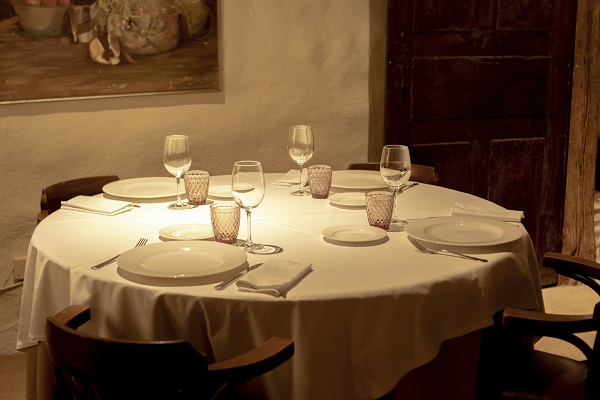
Another aspect to contemplate is the shape of the dining table. Rectangular tables generally suit longer rooms, while square tables can work well in smaller, more intimate settings. Round tables create a casual dining atmosphere, encouraging conversation among occupants. Ultimately, understanding the interplay between the table size and the space in your dining area will assist in making an informed decision that accommodates both your functional needs and stylistic preferences.
Selecting the Perfect Material
When it comes to choosing a dining table, the material plays a crucial role in its aesthetic appeal, durability, and maintenance requirements. There are several materials available, each with distinct advantages and disadvantages that cater to different styles and practical needs.
Wood is a classic choice, revered for its warmth and versatility. Available in various finishes, wood tables can complement almost any decor style from rustic to modern. However, they may require regular maintenance, such as polishing and sealing, to prevent scratches and water damage. The durability of wood varies; hardwoods like oak and maple are resilient, while softer woods may dent or scratch easily.
Glass dining tables are known for their contemporary chic look, creating an illusion of space and light. They can visually enhance smaller dining areas. However, while glass is easy to clean, it can be prone to stains and requires regular upkeep to keep it smudge-free. Additionally, proper support is essential, as glass can be vulnerable to chips and cracks, particularly in a busy household.
Metal tables are another modern option, often used in industrial or minimalist designs. They are durable, resistant to wear and tear, and are generally easier to clean than wood. On the downside, metal can feel cold or uninviting, and certain types may scratch or show fingerprints easily. Proper consideration should be taken when choosing a metal finish to ensure it aligns with your desired aesthetic.
Composites are increasingly becoming popular as they offer a balance between style and functionality. Materials like MDF or particle board can mimic the look of real wood while being lighter and often more affordable. However, they may not possess the same level of durability and may require careful handling to avoid damage from moisture and heavy impacts.
Exploring Different Styles
When it comes to selecting the perfect dining table, the array of styles available can be both exciting and overwhelming. Each dining table style carries its unique characteristics, seamlessly integrating into the overall decor of your home. Understanding these various styles can significantly aid in making an informed decision.
Traditional dining tables are often crafted from solid wood and showcase rich finishes and intricate detailing. These tables evoke a sense of elegance and timelessness, making them an excellent choice for those who appreciate classic interiors. A traditional dining table can serve as the focal point of the dining area, drawing attention and admiration.
On the other hand, modern dining tables feature clean lines, minimalistic designs, and often employ materials like glass, metal, or engineered wood. The appeal of modern style lies in its ability to create an uncluttered and contemporary atmosphere. Homeowners drawn to a sleek aesthetic may find themselves gravitating towards a modern dining table, which can complement various contemporary design themes.
Farmhouse dining tables are known for their rustic charm and sturdy build, often incorporating distressed wood and practical design. This style creates a warm and inviting atmosphere, perfect for family gatherings and casual dining. It blends well in spaces that prioritize comfort and a down-to-earth vibe.
Industrial dining tables, characterized by their raw materials and rugged finishes, draw inspiration from warehouses and factories. Typically made from reclaimed wood and metal, these tables add an edgy touch to the dining space, appealing to those with a preference for urban or loft-style decor.
Ultimately, the choice of a dining table style should align with both the overall design of your home and your personal taste. Careful consideration of these elements will help ensure your dining area feels cohesive and inviting, allowing you to enjoy many gatherings with family and friends.
Color Considerations
The color of a dining table plays a significant role in establishing the atmosphere of your dining area. Different hues can evoke various emotions and set distinct tones for gatherings, meals, or casual conversations. Choosing the right color requires careful consideration of the existing decor and the ambiance one wishes to create.
When selecting the color of your dining table, start by examining the current palette of your dining room. Neutral colors like white, beige, or gray are popular choices due to their versatility and ability to complement a variety of decor styles. These shades often create a calm and inviting environment, making them suitable for both formal and casual dining experiences. On the other hand, darker shades such as deep brown or black can add a touch of sophistication and warmth, making the dining area feel cozier.
If one is aiming for a more vibrant and lively atmosphere, brighter colors like red, turquoise, or yellow can serve as excellent options. These colors can infuse energy and cheer into the space but should be balanced with neutral tones to prevent overwhelming the eye. It is also important to consider the finish of the table; glossy surfaces can reflect light and add a sense of brightness, while matte finishes may absorb light, thus contributing to a more understated elegance.
Additionally, consider how the color of the dining table interacts with other elements in the room, such as wall color, furniture, and decorative accents. Cohesion can be achieved by sticking to a color scheme or choosing complementary shades that harmonize well with the overall decor. By thoughtfully incorporating color into your dining table selection, you can greatly enhance the atmosphere of your dining area, creating a space that is visually pleasing and inviting for family and guests alike.
Functional Features to Consider
Choosing the right dining table requires a careful consideration of its functional features alongside aesthetics. Depending on your lifestyle, various elements can significantly enhance the utility of a dining table, making it not just a centerpiece but also a practical component of daily living.
One of the most sought-after features is the extendability of a dining table. An extendable table can accommodate various gathering sizes, making it ideal for both intimate dinners and larger family get-togethers. This flexibility allows homeowners to save space without compromising on seating capacity when entertaining guests. Mechanisms for expansion can vary, with options such as drop-leaf sides or sliding panels, providing different benefits for user convenience.
Another valuable feature is built-in storage. Dining tables with integrated storage solutions can address the clutter of utensils, table linens, or dinnerware. Tables designed with drawers or shelves not only offer practicality but also maintain a cleaner aesthetic by keeping necessary items close at hand yet out of sight. This is particularly useful in smaller dining areas where space is at a premium.
The choice of finishes and textures can also enhance functionality. For example, some materials can improve durability while serving crucial roles in everyday maintenance. Surfaces that resist scratches, stains, and water damage extend the table’s life, ensuring that the dining experience remains pleasant and hassle-free. Materials such as tempered glass, durable wood finishes, or treated metals not only add to visual appeal but also support practical usability and resilience.
Incorporating these functional elements into your dining table selection can significantly improve your overall experience, ensuring that it meets both your aesthetic desires and your lifestyle requirements.
Budgeting for Your Table
When embarking on the journey to purchase a dining table, the first and foremost aspect to consider is your budget. Establishing a clear budget is essential as it sets the parameters for what you can afford while ensuring you do not overspend. Start by determining a comfortable price range that aligns with your financial situation. Keep in mind that dining tables are an investment, thus quality should play a significant role in your decision-making process.
As you set your budget, it is important to understand the various factors that influence the price of dining tables. The materials used in construction often significantly affect the cost. Solid wood tables generally offer durability and can be more expensive compared to those made from materials such as MDF or particle board. The craftsmanship involved in the table’s design, including whether it is handcrafted or mass-produced, can also contribute to its overall price. Additionally, brand reputation and functionality—such as extendable table options or unique designs—can influence your budget considerations.
To maximize your spending, consider exploring various marketplaces where you can find good value dining tables. Local furniture stores, online retailers, and second-hand shops can provide different options that might suit your budgetary needs. Discount furniture outlets can also offer substantial savings while maintaining quality. It is advisable to check seasonal sales and promotions, as they can provide an opportunity to acquire high-quality tables at reduced prices.
In conclusion, budgeting for a dining table requires a balance between quality and affordability. By understanding price influences and exploring various purchasing options, you can make an informed decision that satisfies both your aesthetic needs and your financial constraints.
Checking for Quality
When selecting a dining table, assessing the quality is paramount to ensure longevity, durability, and aesthetic appeal. Quality can often be gauged by examining the construction techniques employed in creating the table. High-end dining tables typically feature solid wood construction, reinforced with superior joinery methods such as mortise and tenon, dowel joints, or finger joints. These techniques enhance structural integrity, making the table more resilient to wear and tear over time.
The choice of materials also plays a critical role in the overall quality of the dining table. Tables made from hardwoods—like oak, walnut, and cherry tend to outlast their softer counterparts, as they offer better resistance to scratches and dents. In addition to wood, consider tables made from metal or glass, which can also provide a modern aesthetic without compromising durability. Another essential aspect to consider is the quality of the finishes applied to the table. A well-finished surface not only enhances the visual appeal but also acts as a protective layer against spills and stains. Look for tables that utilize high-grade varnishes, lacquer, or oil finishes for optimal protection.
Warranties can also be a good indicator of quality. Manufacturers who are confident in their craftsmanship will often provide warranties on their products, ranging from a few years to a lifetime guarantee. When evaluating options, inquire about the warranty details, as they can reflect the manufacturer’s commitment to quality and customer satisfaction. A thorough examination of these factors—construction techniques, material choice, finishing quality, and warranty—will lead to a more informed decision when choosing the ideal dining table for your home.
Finalizing Your Decision
Choosing the perfect dining table can be an exhilarating yet challenging task. After considering aspects such as size, style, material, and budget, it is essential to have a structured approach to finalize your decision. One effective strategy is to create a shortlist of the options that resonate most with your needs and preferences. By narrowing down your choices, you can focus on the tables that best fit your style and functional requirements.
Once you have your shortlist, it’s valuable to seek feedback from family or friends. Their insights can provide a fresh perspective that you might not have considered. They can help you evaluate your options based on practicality, how well a particular design may fit into your home decor, and what might work best for your dining habits. Involving others in your decision-making process not only fosters inclusiveness but can also enhance your confidence in the choice you make.
Moreover, visualizing the dining table in your space is crucial. You can do this by utilizing online tools that allow you to see how different tables would look in your dining area, or by marking out the table dimensions with tape on the floor. This technique helps to ensure that the scale is appropriate and that the table complements the surrounding decor. Consideration of space usage is especially important in smaller areas to avoid a cluttered atmosphere.
Ultimately, the perfect dining table should embody both functionality and elegance, representing your personal style while accommodating your lifestyle needs. By compiling your options, gathering opinions, and visualizing the table in context, you can arrive at a well-informed decision that enhances your dining experience for years to come.