
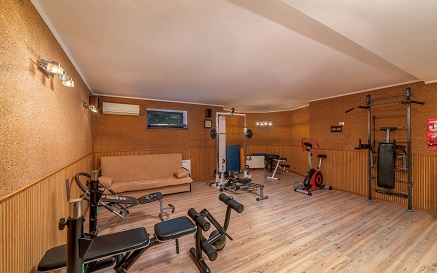
Introduction to Home Gym Setups in Small Spaces
In recent years, the trend of home workouts has gained remarkable traction, particularly in urban settings where living spaces can be somewhat limited. Many individuals are now recognizing the value of developing a dedicated workout area within their homes, transforming small spaces into efficient gyms. With the rise of remote work and the increasing emphasis on personal fitness, creating a home gym has become both a practical and popular solution for maintaining health and well-being.
Home gyms present numerous benefits, especially for those who find it difficult to access traditional fitness facilities due to time constraints or geographical limitations. A well-thought-out setup allows one to engage in various workouts from the comfort of their own living space. Contrary to the misconception that ample space is necessary for effective workout routines, it is entirely feasible to establish a functional home gym in small areas without sacrificing exercise quality.
Effective utilization of limited space involves creativity and strategic planning. For instance, multi-functional fitness equipment can significantly enhance workout possibilities while minimizing the footprint of gym tools. Additionally, storage solutions such as wall-mounted racks, under-bed storage, and foldable equipment can help keep the area clutter-free, promoting a more organized workout environment.
Moreover, the concept of small space gym setups is not only about accommodating fitness equipment; it encompasses creating an inspiring workout atmosphere. Thoughtful decor and lighting can contribute to an engaging environment, further motivating individuals to prioritize their exercise routines. By adopting these innovative solutions, anyone can cultivate a fulfilling home fitness experience, regardless of spatial constraints.
Assessing Your Space: Measurements and Planning
When embarking on the journey to create a home gym in a small space, the first critical step involves thorough assessment of the available area. Begin by measuring the floor space; use a measuring tape to determine the dimensions of the room where you intend to set up your workout station. This includes noting the length and width of the area, which will be paramount in planning an effective home gym setup. Be mindful to account for any obstacles or irregularities, such as built-in furniture or heating vents, that could hinder movement.
Ceiling height is another essential measurement to consider, particularly if you plan on incorporating exercises that require overhead space, such as kettlebell swings or jump rope workouts. A minimum ceiling height of eight feet is recommended to ensure safety and comfort during your workouts. If your space falls short of this, focus on exercises that can be performed at lower altitudes, such as resistance training or bodyweight movements.
In addition to the physical dimensions, take stock of existing furniture and items in the room. Identify which pieces can be relocated or adapted, creating a more functional workout environment. For instance, consider moving a coffee table or rearranging seating to optimize the area. It’s vital to strike a balance between maintaining a comfortable living space and establishing a practical gym area.
After measuring and evaluating your space, sketch a layout plan. This blueprint should include the placement of all intended equipment, ensuring there is ample space for movement and accessibility. Utilize the dimensions gathered to draft a functional design that meets your fitness needs while maximizing your small space’s potential. Following these steps will guide you in creating an efficient and inviting home gym that enhances your workout experience.
Essential Equipment for Small Home Gyms
Creating a functional home gym in a compact area necessitates careful selection of essential equipment tailored to fit your space while maximizing workout potential. Prioritizing multi-functional tools not only conserves space but also expands the range of exercises you can perform within those limits.
One of the fundamental pieces of equipment for small home gyms is adjustable dumbbells. These versatile weights allow users to shift between different weight settings with ease, accommodating various strength training exercises without requiring multiple sets of dumbbells. This feature significantly reduces clutter and enhances convenience, making them ideal for limited spaces.
Resistance bands are another vital component for small gym setups. They are incredibly flexible, lightweight, and can be easily stored in a drawer or a small bag. Resistance bands can be used for a multitude of exercises targeting different muscle groups, providing a comprehensive workout. Their adaptability allows users to increase or decrease resistance levels, making them suitable for all fitness levels.
A quality yoga mat is also essential for any small home gym. It serves as a designated space for exercises like yoga, pilates, or floor workouts, offering cushioning and stability. Furthermore, a yoga mat is easy to roll up and store away when not in use, making it a practical addition to any limited space.
In addition to the aforementioned equipment, compact cardio machines like a folding treadmill or a stationary bike are worth considering. These machines can be stored away conveniently when not in use, helping to maintain an organized environment in your small home gym.
Utilizing these essential pieces of equipment can create an effective and efficient workout environment, enabling you to stay fit even in constrained spaces.
Creative Storage Solutions for Gym Equipment
When setting up a home gym in a small space, effective storage solutions are essential to maintain an organized and functional workout area. Creative storage options not only help keep gym equipment accessible but also contribute to a tidy environment that motivates regular exercise.
One popular option for maximizing space is wall storage. Utilizing wall-mounted racks and shelves allows you to store weights, resistance bands, and other gym accessories off the floor. Installing hooks or pegboards can further enhance functionality, enabling easy access to frequently used items while creating a visually appealing display. This approach not only saves space but also transforms an empty wall into a dedicated workout zone.
Another innovative solution is under-bed storage. For those with limited horizontal space, utilizing the area beneath your bed can significantly increase storage capacity. Invest in low-profile bins or drawers that slide easily beneath the bed to store items such as yoga mats, foam rollers, or smaller weights. This method keeps equipment out of sight, ensuring a clutter-free aesthetic while remaining easily accessible when needed.
Additionally, consider furniture that doubles as storage. For instance, ottomans or benches with hidden compartments are ideal for concealing smaller gym items. A stylish storage bench can serve a dual purpose as a seat and a storage unit, enhancing both functionality and decor. Similarly, coffee tables with built-in storage can house items like resistance bands or fitness magazines, keeping everything within reach during your workouts.
Ultimately, investing in versatile storage solutions is crucial to maintaining an efficient workout space in a small area. By creatively utilizing wall space, under-bed areas, and multifunctional furniture, individuals can ensure that their gym equipment remains organized and ready for action, fostering a conducive environment for regular fitness routines.
Incorporating Multi-Functional Furniture
When designing a home gym in a small space, effectively utilizing every square foot becomes paramount. Incorporating multi-functional furniture can significantly enhance the usability of your environment while maintaining an aesthetically pleasing appeal. This approach not only maximizes space efficiency but also optimizes the overall functionality of your workout area.
One useful item to consider is a storage bench. This dual-purpose piece can serve as a seating option and a storage solution for your workout gear, such as weights, resistance bands, or yoga mats. When selecting a storage bench, look for one that complements your existing decor, ensuring that it seamlessly blends into your living space.
Ottomans are another excellent choice. An ottoman can provide additional seating or a footrest when not in use for exercise. Opt for an ottoman with built-in storage compartments to stow away smaller items like jump ropes or yoga blocks, keeping your workout space tidy and organized. The key is to integrate these pieces in a manner that doesn’t disrupt the flow of your home while still providing access to gym essentials.
Foldable tables also present a versatile option for a compact home gym setup. These tables can be easily set up when needed for activities like stretching or bodyweight exercises and then folded away to free up space when not in use. Additionally, some foldable tables are designed with a sleek, modern look that can enhance the overall aesthetic.
Ultimately, the incorporation of multi-functional furniture is an efficient strategy for creating a well-organized home gym within tight quarters. By selecting versatile pieces that serve multiple purposes, one can effectively maintain an appealing and practical fitness environment that encourages regular exercise.
Using Vertical Space Wisely
When space is at a premium, utilizing vertical space becomes crucial for creating an efficient home gym. In small areas, where floor real estate is limited, vertical options not only maximize storage but also enhance workout functionality. One practical solution is the installation of shelves. By placing your weights, yoga mats, and other accessories on shelves, you free up floor space, allowing for unhindered movement during workouts. Look for adjustable shelving units that can be tailored to fit your specific equipment and needs.
Another innovative idea is to incorporate pegboards into your home gym setup. Pegboards are versatile and can be mounted on walls to provide customizable hanging options for various gym equipment, such as resistance bands, jump ropes, or even kettlebells. This not only keeps your gear organized and within reach but also adds an element of creativity to your gym’s design. By organizing tools vertically, you maintain a clean and uncluttered floor space, fostering a more motivating workout environment.
Wall-mounted accessories are yet another effective way to utilize vertical surfaces. Items such as foldable benches, wall hooks for ropes, and racks for foam rollers can be attached to walls, significantly improving the gym’s capabilities without intruding on your limited square footage. Consider selecting multifunctional units that provide several uses in one piece; this will help streamline your space and reduce the need for additional bulky equipment. When designing a home gym in a compact area, it’s essential to think creatively about how every inch can serve a purpose, ensuring a well-structured and functional workout space.
Maximizing Natural Light and Ventilation
Creating an optimal home gym setup in a small space can significantly benefit from the incorporation of natural light and ventilation. These elements not only enhance the aesthetic appeal of your gym but also play a vital role in improving your overall workout experience. Ensuring your gym environment is well-lit and airy can lead to increased motivation and better focus during your exercise routines.
To maximize natural light, consider positioning your gym equipment near windows. This strategic placement allows you to take advantage of sunlight, reducing the need for artificial lighting during the day. Moreover, natural light can help regulate your circadian rhythm and boost your mood, making workouts more enjoyable and energizing. If your space lacks windows, using mirrors can also reflect light and create the illusion of a larger, brighter area.
In addition to light, proper ventilation is essential for any workout environment. Stale air can lead to discomfort and hinder performance. To improve air circulation in your home gym, consider installing exhaust fans or using portable fans to keep the air flowing. If possible, maintain the windows slightly ajar during workouts to allow fresh outdoor air to enter. This practice not only combats humidity but also helps to create a pleasant, invigorating atmosphere for a more productive session.
Utilizing plants can also aid in enhancing both natural light and air quality. Incorporating greenery not only beautifies your space but can also improve air purity by absorbing toxins and releasing oxygen. This natural element can contribute to a healthier and more inviting workout environment.
Creating an Inviting Atmosphere for Workouts
Transforming a small space into an inviting home gym is essential for fostering motivation and encouraging regular exercise. The atmosphere of your workout area can significantly impact your performance and overall enjoyment during workouts.
One effective method to enhance the atmosphere is through strategic lighting. Soft, warm lighting can create an inviting environment, while bright, cool lights can provide the energizing effect needed for high-intensity workouts. Consider incorporating adjustable lighting fixtures or smart bulbs that allow you to change the ambiance according to your workout mood, switching from calm to energizing as needed.
Decor plays a pivotal role in creating a motivational space. Choose artwork or imagery that reflects your fitness goals, whether it’s inspiring quotes or dynamic images depicting movement and strength. A well-chosen color scheme can also influence your mindset; vibrant colors like orange or yellow may energize, while blues and greens can promote calmness and focus during yoga or meditation sessions.
Mirrors are another crucial element in your gym setup. They not only help you check your form during workouts but also create an illusion of a larger, more spacious environment. Reflective surfaces can enhance natural light, adding to the overall brightness and openness of the space.
Finally, sound systems contribute significantly to your home gym’s atmosphere. Upbeat music can dramatically enhance your workout experience by elevating your mood and boosting your energy levels. Investing in quality speakers or a Bluetooth system allows you to enjoy your preferred workout playlist, making workouts feel more enjoyable and less of a chore.
By thoughtfully incorporating these elements into your home gym setup, you can create a welcoming and motivational atmosphere that encourages you to stay active and committed to your fitness journey.
Conclusion and Final Tips for Small Space Home Gyms
As we have explored in this blog post, creating a home gym in small spaces can be both rewarding and challenging. The key to successful home workouts lies in maximizing your available space while maintaining an environment that encourages fitness. By selecting equipment that is versatile and compact, such as resistance bands, dumbbells, and foldable exercise mats, you can create a workout area that meets your needs without overwhelming your living area.
Additionally, it is essential to personalize your small gym setup. Consider your preferences for aesthetics and functionality by incorporating decor that inspires you, like motivational posters or a color scheme that energizes your workouts. This customization can significantly enhance your home exercise experience, making it feel less like a chore and more like a motivated choice in your lifestyle.
Consistency is critical in establishing a successful home workout routine. Set specific workout days and times in your weekly schedule, treating them as immovable commitments just as you would any other important appointment. Furthermore, don’t hesitate to mix up your routines to keep things fresh and engaging. Use online videos or apps to explore new workout styles, thus avoiding monotony and sustaining your motivation.
Lastly, consider your progress and celebrate even small victories. Whether that’s sticking to a routine for a week or mastering a new exercise, recognition of these milestones can enhance your commitment to regular workouts. With the right mindset and resources, your small space can transform into an empowering home gym that fosters a healthy lifestyle. Take action today and create a workout space that reflects your personal fitness journey.