
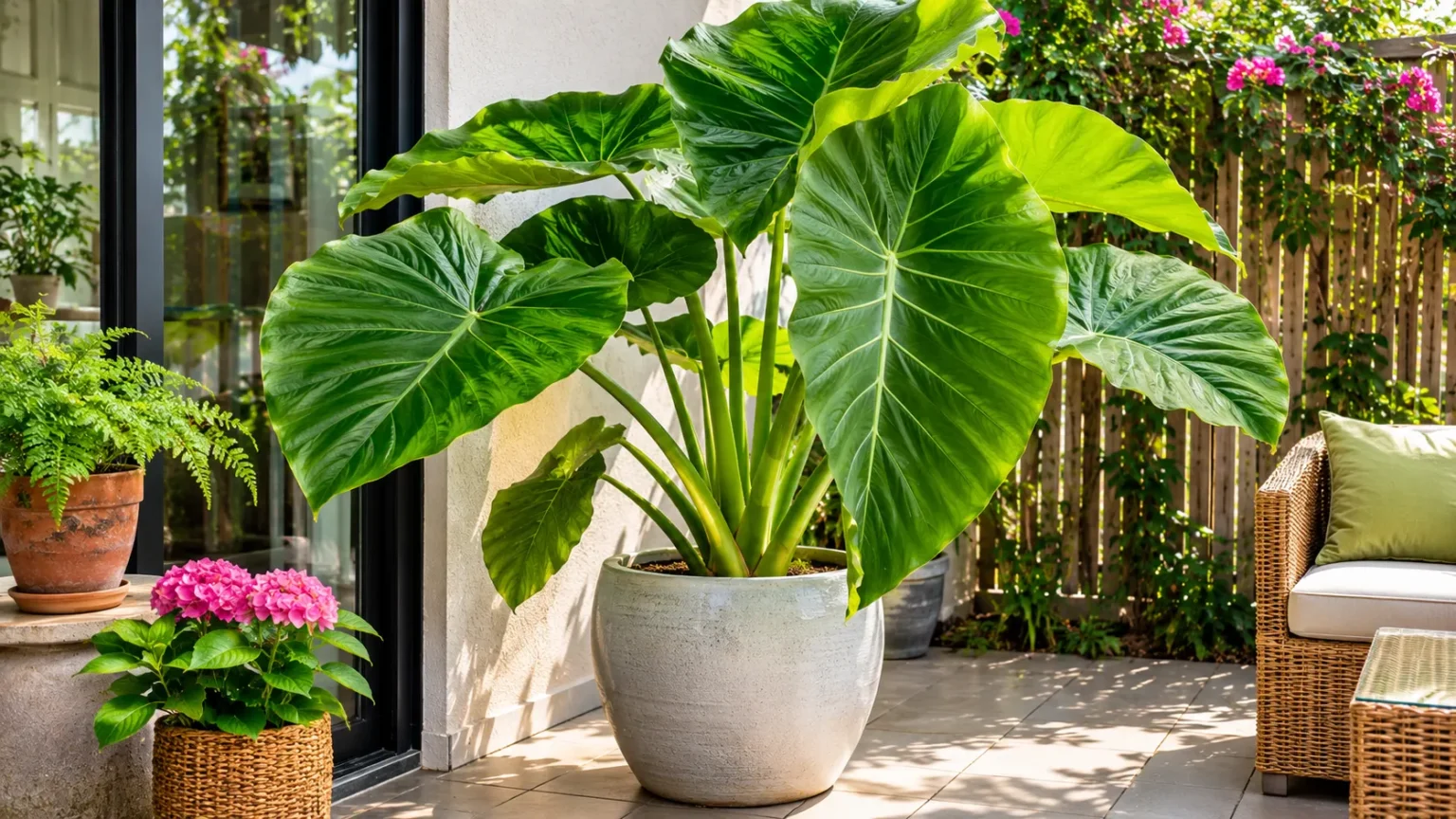
An elephant ear plant is one of the most eye-catching additions to any indoor or outdoor garden. Its enormous, heart-shaped leaves create a tropical appearance that can transform ordinary spaces into lush green retreats. With the right care, these dramatic plants can develop impressive foliage and become beautiful focal points in homes, patios, and landscapes.
Elephant ear plants are popular because they grow quickly under suitable conditions and offer several attractive varieties. However, their large leaves require consistent moisture, sufficient light, suitable temperatures, and healthy soil. Understanding these basic requirements helps gardeners prevent common problems such as yellowing leaves, slow growth, and damaged foliage.
Whether you are growing elephant ears indoors or planting them in a backyard garden, proper care makes a noticeable difference. This guide explains watering, sunlight, soil, fertilizing, propagation, and seasonal maintenance. You will also learn practical ways to encourage larger leaves and keep your elephant ear plant healthy throughout its growing season.
What Is an Elephant Ear Plant?
An elephant ear plant is a tropical ornamental plant known for its large, dramatic leaves. The name commonly refers to several plants belonging to genera such as Colocasia, Alocasia, and Xanthosoma. Their broad foliage resembles elephant ears, giving these plants their familiar name. Different species offer unique leaf shapes, colors, sizes, and growing habits.
Many elephant ear varieties originate from tropical or subtropical environments where warmth and moisture support vigorous growth. Some develop upright leaves, while others produce foliage that points downward. Depending on the species, mature plants may range from compact container specimens to enormous landscape plants. Their striking appearance makes them popular for tropical garden designs.
Although these plants share a common name, their care requirements are not always identical. Colocasia varieties often tolerate consistently moist conditions, while many Alocasia plants prefer more aerated soil. Understanding your particular variety helps prevent watering and placement mistakes. Check the botanical name whenever possible before following species-specific growing advice.
Popular Types of Elephant Ear Plants
Colocasia esculenta is one of the most recognizable elephant ear plants. It typically produces broad, downward-facing leaves and thrives in warm conditions with consistent moisture. Some cultivars display deep purple or nearly black foliage, creating dramatic contrast in gardens. Colocasia varieties are often selected for their vigorous growth and tropical landscape appearance.
Alocasia plants are another popular group commonly grown as elephant ears. Many varieties feature upright or distinctive arrow-shaped foliage with prominent veins. Alocasia macrorrhizos can become especially large under suitable conditions, while smaller ornamental varieties work well indoors. These plants generally appreciate warm temperatures, filtered light, and soil that drains effectively.
Xanthosoma species provide additional options for gardeners who enjoy oversized foliage. Their leaves often have broad, arrow-shaped forms that create a lush tropical effect. Plant size and growing requirements depend on the variety selected. Before purchasing any elephant ear, consider the available growing space and the mature dimensions of the specific plant.
How Much Sunlight Does an Elephant Ear Plant Need?
Elephant ear plants generally grow best in bright light that matches the needs of their particular species. Many Alocasia varieties prefer bright, indirect sunlight, especially when grown indoors. Some Colocasia plants tolerate direct sunlight when moisture is plentiful. However, intense afternoon sun can scorch leaves, particularly in hot or dry climates.
Indoor elephant ear plants often perform well near bright windows with filtered sunlight. East-facing windows can provide gentle morning light without excessive afternoon heat. If a plant receives insufficient light, its growth may slow and new leaves may remain smaller. Gradually moving it toward a brighter location can help improve overall foliage development.
Outdoor placement requires attention to local weather conditions. In hot regions, partial shade may protect delicate leaves from burning during the strongest sunlight. Plants grown in cooler climates may tolerate more direct exposure. Observe leaf color, growth patterns, and signs of scorching to determine whether your elephant ear receives appropriate light.
How Often Should You Water an Elephant Ear Plant?
Watering is one of the most important parts of elephant ear plant care. These tropical plants usually require consistent moisture during active growth, particularly when temperatures are warm. However, the ideal watering schedule depends on plant variety, soil composition, and growing conditions. Checking soil moisture is more reliable than following a fixed calendar.
For many container-grown Alocasia plants, watering when the upper portion of the soil begins to dry works well. Colocasia varieties often prefer more consistently moist growing conditions. Always consider drainage because stagnant water can damage roots in species that require well-aerated soil. Water thoroughly when needed and allow excess moisture to escape.
Outdoor elephant ear plants may require frequent watering during hot, dry weather. Large leaves release moisture through transpiration, increasing their water needs during active growth. Mulching can help retain soil moisture around garden plants. Reduce watering during cooler periods or dormancy when the plant is no longer growing vigorously.
Best Soil for Healthy Elephant Ear Growth
Elephant ear plants generally prefer nutrient-rich soil that supports healthy root development. A suitable growing medium should retain enough moisture while allowing appropriate drainage and airflow. Many container-grown varieties benefit from a mixture containing quality potting soil, compost, and aerating materials. The ideal balance depends on whether the plant prefers moist or moderately draining conditions.
For indoor Alocasia plants, adding perlite or orchid bark can help improve soil structure. These materials create spaces that allow excess water to drain and oxygen to reach roots. Colocasia varieties may tolerate heavier, moisture-retentive mixtures. However, container drainage remains important because water requirements differ among species and cultivars.
Garden-grown elephant ears benefit from soil enriched with well-decomposed organic matter. Compost can improve soil structure and support nutrient availability throughout the growing season. Before planting, check whether the location drains appropriately for your selected variety. Avoid assuming that every elephant ear thrives in permanently saturated soil.
Temperature and Humidity Requirements
Elephant ear plants generally prefer warm temperatures that resemble their tropical growing environments. Many varieties grow actively when temperatures remain around 65–85°F (18–29°C). Prolonged exposure to cold conditions can slow growth or damage foliage. Specific temperature tolerance varies, so always check the requirements of your particular elephant ear species.
Humidity also influences the appearance and health of large elephant ear leaves. Many indoor Alocasia plants prefer moderate to high humidity, especially in heated or air-conditioned rooms. Dry indoor air may contribute to brown leaf edges and stressed foliage. Maintaining suitable moisture around the plant can improve growing conditions without constantly wetting its leaves.
A room humidifier can help maintain comfortable humidity levels for indoor tropical plants. Grouping compatible houseplants may also create a slightly more humid environment around their foliage. Avoid placing elephant ears directly beside heating vents or cold drafts. Stable warmth, suitable humidity, and consistent watering encourage healthier growth throughout the active season.
How to Grow Bigger Elephant Ear Leaves
Producing larger leaves begins with selecting a variety capable of developing impressive foliage. Some elephant ears naturally grow much larger than others, regardless of care quality. Healthy roots, adequate sunlight, and consistent moisture support vigorous leaf development. A mature plant growing under suitable conditions will generally produce stronger foliage than a stressed specimen.
Nutrition also plays an important role in leaf size and development. Elephant ear plants are often vigorous growers that benefit from regular nutrients during their active season. A balanced fertilizer can support healthy foliage when applied according to product instructions. However, excessive fertilizer may damage roots and cause more problems than it solves.
Growing space matters because restricted roots can limit overall development. Plants kept in undersized containers may struggle to support expanding foliage and new shoots. Repotting when necessary provides additional room for healthy root growth. Combine suitable container size with good lighting, moisture, and nutrition to encourage naturally larger elephant ear leaves.
Fertilizing Elephant Ear Plants Correctly
Elephant ear plants can benefit from supplemental feeding during spring and summer. Their large leaves require nutrients to support continued growth and healthy foliage production. A balanced fertilizer formulated for ornamental plants is often suitable. However, feeding requirements depend on soil fertility, plant size, and whether the elephant ear grows indoors or outdoors.
Liquid fertilizers can provide convenient feeding for container-grown plants. Many gardeners use a diluted solution at intervals recommended on the product label. Slow-release fertilizers provide another option by supplying nutrients gradually over time. Avoid applying more fertilizer than directed because excessive mineral accumulation can damage roots and affect leaf appearance.
Fertilizer needs usually decrease when temperatures fall and plant growth slows. Some elephant ear varieties enter dormancy during cooler months and require little or no feeding. Continuing heavy fertilization during dormancy may stress the root system. Adjust your feeding schedule according to active growth rather than automatically fertilizing throughout the entire year.
Growing Elephant Ear Plants in Pots
Growing an elephant ear plant in a container offers flexibility for indoor and outdoor spaces. Pots allow gardeners to move plants according to sunlight, temperature, and seasonal conditions. They also make it easier to control growing media and moisture levels. However, container size should match the plant’s root system and expected development.
Choose a sturdy container with adequate drainage holes for varieties that require freely draining soil. Large elephant ears can become top-heavy as their leaves expand, making stability especially important. Heavy pots may help prevent tipping during windy weather. Avoid selecting an unnecessarily oversized container because excess wet soil can create root problems.
Repotting may become necessary when roots fill the existing container or growth becomes restricted. Spring is often a suitable time because many elephant ears begin vigorous growth during warmer weather. Move the plant into a slightly larger pot with fresh growing medium. Handle the root system carefully and monitor moisture while the plant adjusts.
Indoor vs. Outdoor Elephant Ear Plant Care
Indoor elephant ear plants can create a dramatic tropical appearance in living rooms, offices, and bright interior spaces. Their success depends on adequate light, warm temperatures, and consistent humidity. Indoor plants may grow more slowly than outdoor specimens because environmental conditions are less intense. Providing appropriate care helps maintain attractive leaves throughout the year.
Outdoor elephant ears often benefit from greater growing space and naturally humid conditions. Garden beds can support strong root development and vigorous foliage growth when temperatures remain suitable. However, outdoor plants face additional challenges from wind, intense sunlight, and changing weather. Choosing a protected location helps reduce damage to large, delicate leaves.
Moving elephant ear plants between indoor and outdoor environments requires gradual adjustment. Sudden exposure to strong sunlight can scorch leaves accustomed to filtered indoor light. Similarly, bringing outdoor plants inside may change their watering and humidity needs. Introduce environmental changes gradually to reduce stress and encourage continued healthy growth.
Common Elephant Ear Plant Problems and Solutions
Yellow leaves are among the most common concerns when growing elephant ear plants. They may result from natural aging, inconsistent watering, nutrient problems, or inadequate light. Overwatering can also damage roots in varieties that require better drainage. Examine the soil and growing conditions before deciding whether the plant needs additional water or fertilizer.
Brown leaf edges can develop when humidity is low or moisture availability becomes inconsistent. Excessive sunlight, fertilizer accumulation, and temperature stress may produce similar symptoms. Damaged foliage will not return to its original appearance, but improving conditions can protect future leaves. Focus on identifying the underlying cause instead of repeatedly trimming affected areas.
Drooping leaves may indicate water stress, temperature changes, or root problems. Some leaves naturally bend as they age, especially when newer growth develops. Check soil moisture and inspect the plant for other symptoms before taking action. Persistent wilting despite moist soil may indicate unhealthy roots or environmental conditions requiring correction.
Pests and Diseases That Affect Elephant Ears
Spider mites, aphids, and mealybugs can occasionally affect elephant ear plants, particularly when grown indoors. These pests feed on plant tissues and may cause discoloration, distorted growth, or sticky residue. Inspect the undersides of leaves and areas where stems connect. Early detection makes pest problems easier to manage before infestations become severe.
Root rot is another concern, especially when roots remain in poorly aerated soil. Affected plants may develop yellowing leaves, weak growth, and soft or damaged roots. Proper watering and suitable drainage help reduce the risk. If rot develops, removing unhealthy roots and correcting growing conditions may improve recovery when sufficient healthy tissue remains.
Leaf spotting can occur because of fungal, bacterial, or environmental problems. Avoid leaving foliage unnecessarily wet for long periods, particularly when airflow is poor. Remove badly affected leaves using clean tools when appropriate. Persistent or spreading symptoms may require professional identification because different diseases need different treatment approaches.
How to Propagate Elephant Ear Plants
Many elephant ear plants can be propagated through division of their underground growing structures. Depending on the species, these may include corms, tubers, or rhizomes. Mature plants sometimes produce offsets that can develop independently. Propagation is often easiest during active growth when warm conditions support new root development.
Begin by identifying healthy divisions with viable growing points and sufficient root tissue. Carefully separate suitable offsets without unnecessarily damaging the parent plant. Plant each division in a growing medium appropriate for its species. Maintain suitable warmth and moisture while avoiding conditions that encourage decay before roots become established.
Newly divided elephant ears may take time to produce visible growth. Some initially direct their energy toward establishing roots before developing fresh leaves. Avoid excessive fertilization during this adjustment period. With appropriate light, moisture, and temperature, healthy divisions can gradually develop into established elephant ear plants.
Winter Care and Elephant Ear Dormancy
Winter care depends on climate and the specific elephant ear variety. Many tropical elephant ears cannot tolerate freezing temperatures, making protection necessary in colder regions. Some varieties naturally enter dormancy when temperatures decline. Their foliage may gradually die back even though the underground growing structure remains alive.
Gardeners in freezing climates often lift suitable dormant tubers or corms for winter storage. Storage conditions should follow species-specific recommendations because excessive moisture can cause decay while extreme dryness may damage some varieties. Other elephant ears are better maintained indoors as living plants. Identify your plant before choosing a winter protection method.
Indoor elephant ears may continue growing through winter when light and temperatures remain suitable. However, reduced daylight can slow development and lower water requirements. Avoid heavy fertilization or excessive watering when growth becomes limited. Adjusting seasonal care helps protect roots and supports healthy new foliage when warmer conditions return.
Are Elephant Ear Plants Safe for Pets and Children?
Elephant ear plants are attractive ornamental additions, but many common varieties contain insoluble calcium oxalate crystals. These substances can irritate the mouth and digestive tract when plant tissue is chewed or swallowed. Symptoms may include mouth discomfort, drooling, and difficulty swallowing. Both pets and children should be kept from chewing the foliage.
Position indoor elephant ear plants where curious pets and young children cannot easily reach them. Large leaves may hang over furniture or walkways, making placement particularly important. Gardeners should also avoid leaving removed plant material where animals can access it. Using gloves during handling may help prevent skin irritation in sensitive individuals.
If a pet or child chews an elephant ear plant, seek advice promptly from an appropriate healthcare professional or veterinarian. Do not assume symptoms will always be mild. Correct plant identification can help professionals evaluate the exposure. Keeping these plants in secure locations allows households to enjoy their appearance while reducing avoidable risks.
Conclusion
An elephant ear plant can bring impressive tropical beauty to indoor and outdoor spaces. Its oversized foliage creates a striking appearance that complements many garden styles. However, successful growth depends on choosing the right variety and providing suitable sunlight, moisture, soil, and temperature conditions.
To encourage bigger leaves, focus on consistent care rather than excessive watering or fertilizing. Healthy roots, adequate nutrients, and sufficient growing space support strong foliage development. Regular inspection also helps identify pests, yellowing leaves, and other problems before they affect the entire plant.
Whether you grow elephant ears in containers or garden beds, understanding their individual requirements makes maintenance easier. Adjust watering and feeding throughout the seasons and protect sensitive varieties from cold weather. With patience and appropriate care, elephant ear plants can develop beautiful, dramatic foliage year after year.
Frequently Asked Questions
How Often Should You Water an Elephant Ear Plant?
Watering frequency depends on the variety, soil, temperature, and growing conditions. Many elephant ears prefer consistently moist soil during active growth, although certain species need better drainage to prevent root damage.
Do Elephant Ear Plants Need Full Sun or Shade?
Many elephant ear plants grow well in bright, filtered sunlight or partial shade. Some Colocasia varieties tolerate more direct sun, while many Alocasia plants prefer protection from intense afternoon sunlight.
How Can I Make My Elephant Ear Plant Grow Bigger Leaves?
Provide suitable light, consistent moisture, nutrient-rich soil, and enough space for roots to expand. Choose a naturally large-growing variety and fertilize appropriately during active growth for healthier foliage development.
Can Elephant Ear Plants Grow Indoors?
Yes, many elephant ear varieties grow successfully indoors when provided with bright indirect light, warm temperatures, suitable humidity, and proper watering. Smaller varieties are often easier to manage in indoor spaces.
Why Are My Elephant Ear Plant Leaves Turning Yellow?
Yellow leaves may result from overwatering, underwatering, natural aging, insufficient light, or nutrient problems. Check soil moisture and growing conditions before making changes, since several different issues can produce similar symptoms.