
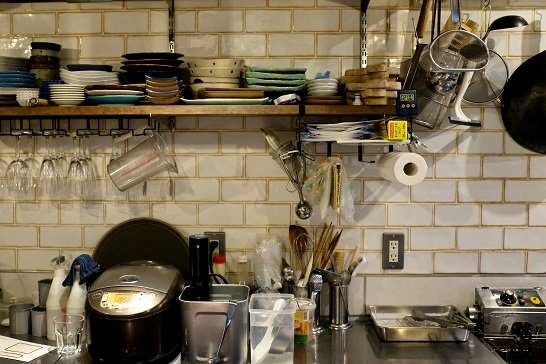
Maintaining a clean and organized kitchen cleaning tips is essential not only for aesthetics but also for health and efficiency. A daily cleaning routine is a key element in achieving this goal. By incorporating simple, manageable tasks into your everyday activities, you can keep your kitchen in optimal condition without feeling overwhelmed.
One of the first practices to adopt is to wipe down surfaces after each use. This includes countertops, tables, and any other areas where food is prepared. By regularly cleaning these surfaces, you prevent the buildup of grime and bacteria, ensuring a hygienic space for cooking.
Another critical aspect of a daily cleaning routine is to wash dishes immediately after use. Many people let dishes pile up, which can quickly lead to chaos in the kitchen. Instead, try to wash or at least rinse dishes right after meals. This not only keeps your sink and countertops clear but also makes the end-of-day clean-up much easier.
Additionally, taking out the trash daily is an often-overlooked task that contributes significantly to kitchen cleanliness. Food scraps and other waste can attract pests and create unpleasant odors; therefore, removing the garbage once or twice a day can help maintain a fresh environment.
To further ensure that these cleaning habits become part of your daily routine, consider setting reminders or creating a checklist. Over time, these small efforts will evolve into second nature, resulting in a kitchen that remains organized and tidy. Establishing a daily cleaning routine allows you to enjoy a welcoming space while reducing the stress typically associated with extensive cleaning sessions.
Organize Your Cooking and Dining Essentials
Maintaining an organized kitchen is essential for efficiency and functionality. One of the primary steps to achieving this is by categorizing your cooking and dining essentials. Start by grouping similar items together, such as utensils, cookware, and food items. This not only enhances accessibility but also streamlines cooking processes. For instance, consider placing pots and pans near the stove and utensils in close proximity to your prep area.
Utilizing storage solutions such as bins, drawer organizers, and labels can significantly improve the tidiness of your kitchen. Invest in drawer organizers to keep utensils sorted, making it easier to find the tools needed for meal preparation. For pantry items, clear bins can help you maintain a clear view of your stock, enabling efficient inventory checks. Labeling these containers adds an extra layer of organization, allowing everyone in your household to locate and return items to their designated spots quickly.
When dealing with small kitchen cleaning tips, maximizing space is crucial. One effective strategy is to use vertical storage options. Wall-mounted shelves are excellent for displaying frequently used spices or cookbooks, while magnetic strips can hold knives or other metal utensils. Additionally, consider utilizing the insides of cabinet doors by installing hooks for measuring cups or small tools. These methods not only save space but also keep your kitchen looking sleek and orderly.
To further enhance organization, regularly assess your items to eliminate those that are no longer needed. This decluttering process not only frees up space but also contributes to a more pleasant cooking environment. By implementing these practices, you can create a kitchen that is not only functional but also inviting and easy to maintain.
Declutter Your Kitchen Regularly
Decluttering your kitchen is an essential practice that significantly contributes to maintaining a clean and organized environment. The kitchen is a space that often accumulates items over time, ranging from expired food to unused gadgets. Regular decluttering not only promotes cleanliness but also enhances functionality and efficiency during cooking sessions.
To begin the process, schedule regular intervals for decluttering your kitchen cleaning tips, such as every season or as part of your spring cleaning routine. A systematic approach can make this task less overwhelming. Start by examining your pantry, refrigerator, and drawers. Identify any expired food items and dispose of them immediately as they not only take up space but can also lead to health risks. Next, evaluate your kitchen tools and utensils; consider whether you have duplicate items or gadgets that you rarely use. If any items do not serve a clear purpose or contribute to your cooking experience, it may be time to let them go.
When determining what to keep and what to discard, ask yourself if each item is used regularly or if it brings you joy. For tools that you no longer need, consider donating them to local charities or selling them online. Additionally, items that are broken or damaged should be disposed of properly. Engage family members or housemates in this process to ensure everyone is on board with the decluttering efforts.
Implementing a seasonal decluttering routine can significantly alleviate clutter accumulation, making your kitchen space more enjoyable and efficient. By consistently evaluating and managing your kitchen items, you create a harmonious cooking environment where everything has its place, leading to easier meal preparation and an overall more pleasant kitchen atmosphere.
Utilize the Power of a Clean-Up Assistant
Maintaining a clean and organized kitchen can be a daunting task, especially in a busy household. However, having a clean-up assistant can significantly ease this burden. A clean-up assistant can be anyone from a family member to technological aids such as dishwashers and automatic vacuums. The overall aim is to team up effectively in maintaining a tidy kitchen.
When it comes to human assistance, involving family members in cleaning can enrich the cleaning experience and foster teamwork. Assigning specific tasks to each member not only ensures that the workload is shared but also promotes a sense of responsibility and accountability. For example, children can be tasked with putting away their own dishes, while adults may handle more intricate tasks like cleaning the countertops or organizing pantry items.
In addition to human assistance, integrating kitchen gadgets can also prove invaluable in achieving cleanliness. Dishwashers can take care of dirty dishes efficiently, saving time and reducing the likelihood of a pile-up. Automatic vacuums, specifically designed for the kitchen, can keep the floor free of crumbs and dirt without requiring constant manual effort. Other tools such as countertop composters can simplify waste management, allowing for easy clean-up after cooking. Furthermore, investing in drawer organizers can maximize space usage and help in maintaining the organization of utensils and cooking tools.
Regularly utilizing these clean-up assistants, both human and technological, fosters a culture of cleanliness in the kitchen cleaning tips. This collaborative approach to maintaining kitchen hygiene not only enhances efficiency but also creates a more enjoyable cooking environment. As such, it is vital for every household to consider both strategies and tools that simplify their kitchen maintenance duties.