
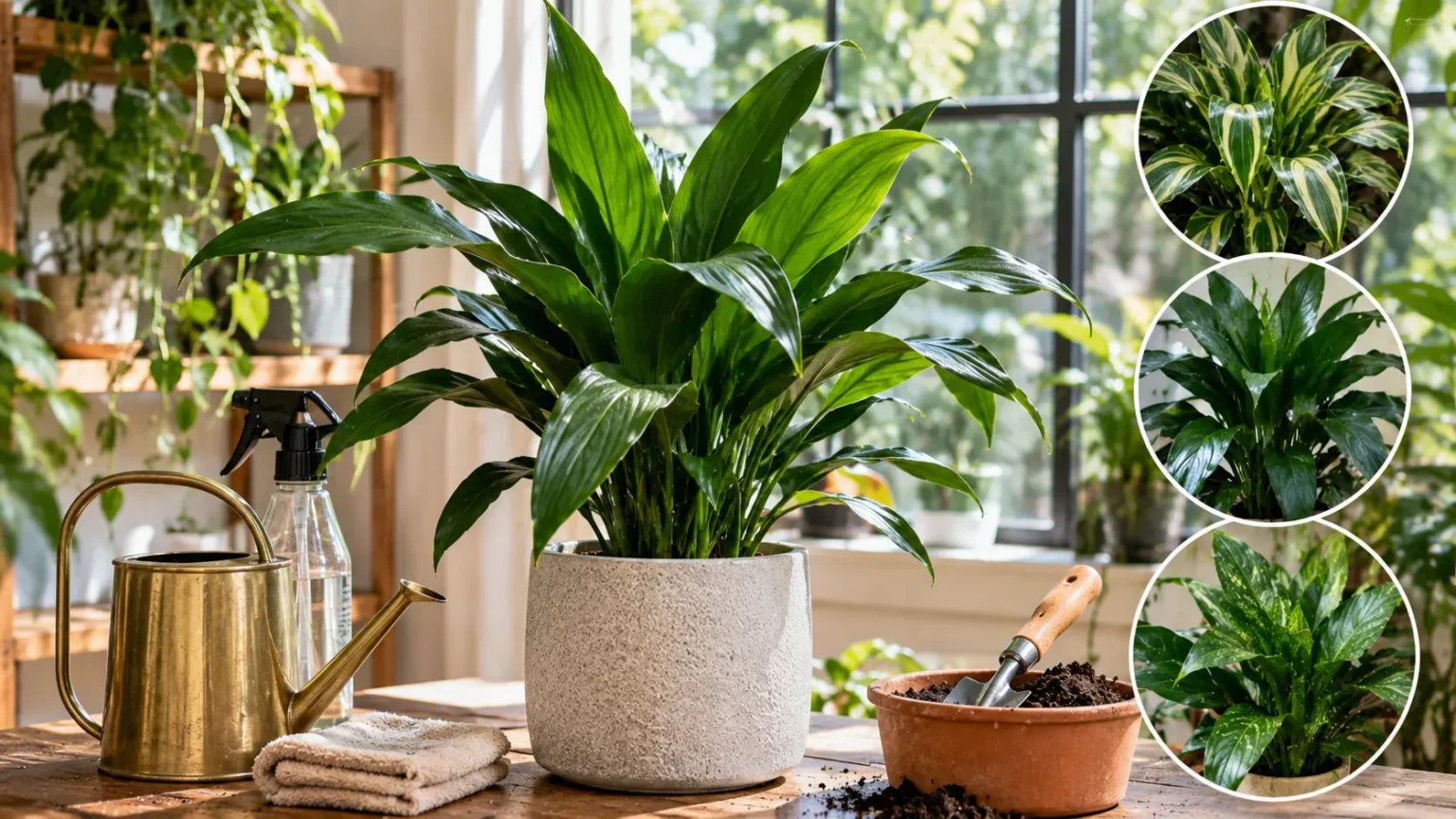
The cast iron plant is one of the most reliable indoor plants for anyone looking to add greenery without complicated maintenance. Known for its attractive dark green leaves, remarkable durability, and ability to tolerate low-light environments, this houseplant has become a favorite among beginners and experienced plant enthusiasts. Its adaptable nature makes it particularly useful for homes, offices, and shaded indoor spaces.
Whether you are growing your first houseplant or expanding an established indoor garden, understanding cast iron plant care can help keep your plant healthy for years. From choosing the right soil and watering schedule to managing sunlight, propagation, and common problems, this practical guide explains everything you need to know. You will also discover popular cast iron plant varieties and useful growing tips for different environments.
What Is a Cast Iron Plant?
The cast iron plant, scientifically known as Aspidistra elatior, is a perennial evergreen plant belonging to the asparagus family, Asparagaceae. It is valued for its long, upright leaves and ability to survive conditions that challenge many other houseplants. Its common name reflects its remarkable tolerance for occasional neglect, variable indoor temperatures, and relatively low light.
Originally associated with shaded woodland environments in East Asia, the cast iron plant develops foliage directly from underground rhizomes. Its leaves are typically broad, lance-shaped, and deep green, creating an attractive architectural appearance. Mature plants can reach approximately two to three feet in height, although growth depends on the variety and environmental conditions.
Unlike flowering houseplants grown primarily for colorful blooms, the cast iron plant is appreciated for its foliage. Its small flowers appear near the soil surface and are rarely noticeable indoors. Because the plant grows slowly and requires relatively little attention, it is particularly suitable for people who prefer simple, dependable indoor greenery.
Why Is the Cast Iron Plant Popular Among Indoor Gardeners?
One reason the cast iron plant remains popular is its ability to tolerate lower light levels than many common indoor plants. It can grow in shaded rooms where direct sunlight is limited, although some indirect light still supports healthier development. This flexibility makes it useful for apartments, offices, and indoor corners that receive modest natural illumination.
Another advantage is its relatively forgiving watering requirements. Although the plant needs moisture to survive, it can tolerate occasional dry periods better than many delicate tropical houseplants. Its underground rhizomes help support growth during changing conditions. However, consistent neglect or prolonged waterlogging can still damage roots and affect foliage quality.
The cast iron plant also complements different interior decorating styles. Its upright leaves work beautifully with minimalist furniture, traditional interiors, and modern decorative containers. Because it grows slowly, it generally requires less frequent repotting than faster-growing houseplants. These qualities make it a practical choice for creating a long-lasting indoor plant collection.
Best Light Conditions for Cast Iron Plant Growth
Understanding the light requirements of a cast iron plant is essential for maintaining healthy foliage. This species generally prefers low to moderate indirect light and performs particularly well in bright shade. A position near a north-facing window or away from strong direct sunlight may be suitable. The ideal location depends on the intensity of available natural light.
Direct afternoon sunlight can damage the leaves, especially when the plant has been growing in shaded conditions. Excessive exposure may cause pale patches, browning, or scorched foliage. If your room receives intense sunlight, place the plant farther from the window or use a sheer curtain. Gradual changes in light exposure are preferable to sudden relocation.
Although the cast iron plant tolerates low-light conditions, it cannot thrive indefinitely in complete darkness. Extremely limited light can slow growth and reduce the plant’s overall vigor. Variegated varieties may require somewhat brighter indirect light to maintain their patterns. Observing new growth and leaf condition can help determine whether the chosen location provides adequate illumination.
How Often Should You Water a Cast Iron Plant?
Watering is one of the most important parts of cast iron plant care, particularly because excessive moisture can damage its roots. Rather than watering on a strict calendar schedule, check the condition of the potting mix. Allow the upper portion of the soil to dry before watering again. The appropriate interval depends on temperature, light, container size, and seasonal growth.
When watering, apply enough water to moisten the root zone and allow excess moisture to drain from the container. Avoid leaving the pot standing in collected water because prolonged saturation can encourage root problems. A container with functional drainage holes is especially useful. Good drainage helps maintain a balance between necessary moisture and sufficient oxygen around the roots.
During cooler months, the plant may use water more slowly because growth is reduced. Warmer temperatures and brighter conditions can increase moisture requirements. Check the soil regularly rather than assuming the same watering frequency works throughout the year. Yellowing leaves, wilting, or consistently wet soil may indicate that watering practices need adjustment.
Best Soil and Potting Mix for Cast Iron Plants
Cast iron plants grow best in a well-draining potting mix that retains some moisture without becoming waterlogged. A quality indoor plant mix containing organic material is often suitable. Adding ingredients such as perlite or fine pine bark can improve drainage and aeration. The goal is to support healthy roots while preventing excessive moisture from collecting around the rhizomes.
Soil structure matters because compacted potting mixes can restrict airflow and slow drainage. Over time, older potting materials may break down and hold more water than intended. Inspecting the soil when repotting provides an opportunity to improve its condition. Choose a loose, stable mix that allows water to move through the container.
A slightly acidic to neutral potting environment is generally suitable for Aspidistra elatior. However, precise soil chemistry is usually less important for beginners than proper drainage and consistent care. Avoid using dense outdoor garden soil in small indoor containers because it may compact excessively. A suitable houseplant potting mix provides a more reliable foundation for healthy growth.
Ideal Temperature and Humidity for Cast Iron Plants
Cast iron plants tolerate a relatively wide range of indoor temperatures, making them adaptable to ordinary household environments. They generally grow comfortably under moderate room temperatures, particularly around 60–75°F (16–24°C). They can tolerate some cooler conditions, but freezing temperatures may damage the foliage. Stable conditions are preferable for consistent indoor growth.
Humidity is usually less demanding for cast iron plants than for many tropical foliage species. Average household humidity is often sufficient, provided the plant receives appropriate watering and light. Extremely dry air may contribute to leaf-tip browning in some situations. However, maintaining healthy roots is generally more important than attempting to create unusually high humidity.
Avoid placing the plant directly beside heating vents, strong air-conditioning drafts, or frequently opened doors during extreme weather. Sudden environmental changes can place unnecessary stress on foliage. Choose a sheltered location with relatively stable temperatures. These simple precautions help preserve the plant’s appearance without requiring elaborate humidity equipment or specialized growing conditions.
How to Fertilize a Cast Iron Plant
Cast iron plants grow relatively slowly and generally require only modest fertilizer applications. During active growth in spring and summer, a balanced houseplant fertilizer may help support healthy foliage. Follow the manufacturer’s instructions and avoid applying stronger concentrations than recommended. Excess fertilizer can damage roots and contribute to brown leaf tips.
For container-grown plants, diluted liquid fertilizer is one convenient option when additional nutrients are needed. Apply it to appropriately moist soil according to the product directions. A healthy plant growing in a reasonably fresh potting mix may not require frequent feeding. Slow growth alone is not always evidence of nutrient deficiency because this species naturally develops gradually.
Fertilizer requirements typically decrease during cooler periods when plant growth slows. Continuing heavy feeding during these conditions may lead to unnecessary salt accumulation in the potting mix. If leaf discoloration appears, investigate watering, lighting, and root health before assuming fertilizer is needed. Balanced nutrition supports growth, but additional fertilizer cannot correct every plant problem.
How to Repot and Propagate a Cast Iron Plant
Cast iron plants usually need repotting less frequently than fast-growing houseplants because their rhizomes expand gradually. Repotting may become useful when roots crowd the container, drainage deteriorates, or the potting mix breaks down. Spring is often a convenient time for this task. Choose a container only slightly larger than the existing root system.
Propagation is commonly accomplished through division of the underground rhizomes. During repotting, established clumps can be separated into sections containing healthy roots and growing points. Each division can then be placed in a suitable potting mix. Dividing the plant carefully helps reduce unnecessary root damage and supports the establishment of new growth.
Newly divided plants may grow slowly while adjusting to their containers. Keep them in suitable indirect light and avoid excessive watering during this period. Large divisions with healthy rhizomes generally establish more reliably than very small sections. Patience is important because cast iron plants are naturally slow growers, even under favorable conditions.
Popular Cast Iron Plant Varieties to Grow
The classic green form of Aspidistra elatior is the most familiar cast iron plant. It features broad, dark green leaves that create a clean and elegant appearance. This traditional variety works beautifully in decorative floor containers and shaded indoor corners. Its straightforward care requirements make it particularly appealing to beginner houseplant enthusiasts.
Aspidistra elatior ‘Variegata’ is another attractive selection, recognized for its green foliage featuring cream or white longitudinal stripes. The amount of variegation can differ between leaves and individual plants. It generally benefits from suitable indirect light to maintain healthy foliage. Strong direct sunlight should still be avoided because it can damage the patterned leaves.
Other notable selections include ‘Milky Way’, which is commonly associated with leaves displaying small pale speckles. Cultivars such as ‘Asahi’ offer additional ornamental foliage patterns, although their availability varies between nurseries. Some named plants are selections of other Aspidistra species rather than A. elatior. Checking the botanical label helps ensure accurate identification and care.
Common Cast Iron Plant Problems and Solutions
Yellow leaves are among the most common concerns reported by cast iron plant owners. Overwatering, poor drainage, natural leaf aging, and root stress can all contribute to discoloration. If several leaves become yellow while the soil remains wet, inspect the watering routine and container drainage. Identifying the underlying cause is more useful than immediately applying fertilizer.
Brown leaf tips or patches may develop because of excessive sunlight, inconsistent moisture, fertilizer buildup, or environmental stress. Damaged leaf tissue generally does not return to its original green appearance. However, improving the growing conditions can help prevent similar damage on new foliage. Removing severely damaged leaves may also improve the plant’s appearance.
Cast iron plants can occasionally experience pests such as spider mites, scale insects, and mealybugs. Regularly inspecting leaf surfaces and stems can help identify problems before infestations become extensive. Isolate affected plants when appropriate and use treatments specifically labeled for the pest and plant. Follow product safety instructions carefully, particularly in households with children or pets.
Can You Grow Cast Iron Plants Outdoors?
Cast iron plants can grow outdoors in suitable climates, particularly where temperatures remain mild and damaging frost is uncommon. They are valued as shade plants in protected gardens and landscaped areas. Their broad foliage adds texture beneath trees and alongside shaded pathways. However, outdoor success depends on regional climate, soil drainage, and seasonal temperature extremes.
When planted outside, cast iron plants generally prefer shaded or partially shaded locations with well-draining soil. Strong direct sunlight can scorch foliage, particularly during hot weather. Organic matter may help improve soil structure in suitable planting conditions. Avoid locations where water remains standing after rainfall because consistently saturated soil can harm the rhizomes.
Gardeners in colder regions may prefer growing cast iron plants in containers that can be moved indoors during winter. This allows greater control over temperature and moisture conditions. Outdoor plants may require different watering schedules from indoor specimens because rainfall and evaporation vary. Regular observation helps maintain healthy foliage throughout seasonal changes.
Creative Decorating Ideas With Cast Iron Plants
Cast iron plants work beautifully as decorative floor plants because their upright foliage creates a distinctive architectural shape. A large container placed beside a sofa, bookshelf, or entryway can introduce natural greenery without requiring elaborate styling. Neutral ceramic pots complement the deep green leaves. Choose containers that provide drainage while matching the surrounding interior.
Smaller cast iron plants can also enhance shaded office spaces, bedrooms, and reading corners. Their relatively low-maintenance nature makes them suitable for areas where frequent plant care may be inconvenient. However, these locations must still provide enough ambient light for healthy growth. Decorative planters and simple plant stands can improve presentation without affecting basic care.
For a layered indoor garden, combine cast iron plants with other houseplants that enjoy similar indirect-light conditions. Different leaf shapes and colors can create visual interest while maintaining a coordinated appearance. Avoid overcrowding containers or restricting airflow around the foliage. Thoughtful placement makes the plants easier to inspect, water, and maintain.
Conclusion
The cast iron plant is a dependable houseplant valued for its attractive foliage, slow growth, and ability to tolerate less-than-ideal indoor conditions. With suitable indirect light, well-draining soil, and careful watering, it can remain a beautiful part of your home for many years. Its forgiving nature makes it particularly appealing to beginners.
Understanding basic cast iron plant care also helps prevent common problems such as yellow leaves, root rot, and sun damage. Regular inspection, occasional feeding, and repotting when necessary can support healthy development. Popular varieties, including variegated and speckled selections, provide additional opportunities to experiment with decorative foliage.
Ultimately, growing a healthy cast iron plant is about maintaining consistent conditions rather than performing complicated maintenance tasks. Choose a suitable location, monitor soil moisture, and allow the plant time to develop naturally. With patience and practical care, this resilient evergreen can become a long-lasting addition to an indoor or shaded outdoor garden.
Frequently Asked Questions
How often should I water a cast iron plant?
Water when the upper portion of the potting mix has dried. Frequency depends on temperature, light, and container size. Avoid waterlogged soil because excessive moisture can cause root problems.
Can cast iron plants survive in low light?
Yes, cast iron plants tolerate relatively low light levels and are suitable for shaded indoor locations. However, they still need some light for healthy growth and cannot thrive indefinitely in complete darkness.
Why are my cast iron plant leaves turning yellow?
Yellow leaves may result from overwatering, poor drainage, root stress, or natural aging. Check soil moisture and overall growing conditions before changing fertilizer or watering practices.
Are cast iron plants toxic to cats and dogs?
Aspidistra elatior is generally classified as non-toxic to cats and dogs. However, eating plant material may still cause digestive upset, so discourage pets from chewing the foliage.
How fast does a cast iron plant grow?
Cast iron plants are naturally slow-growing and may produce only a few new leaves during a growing season. Their growth rate depends on light, temperature, watering, nutrients, and overall plant health.