
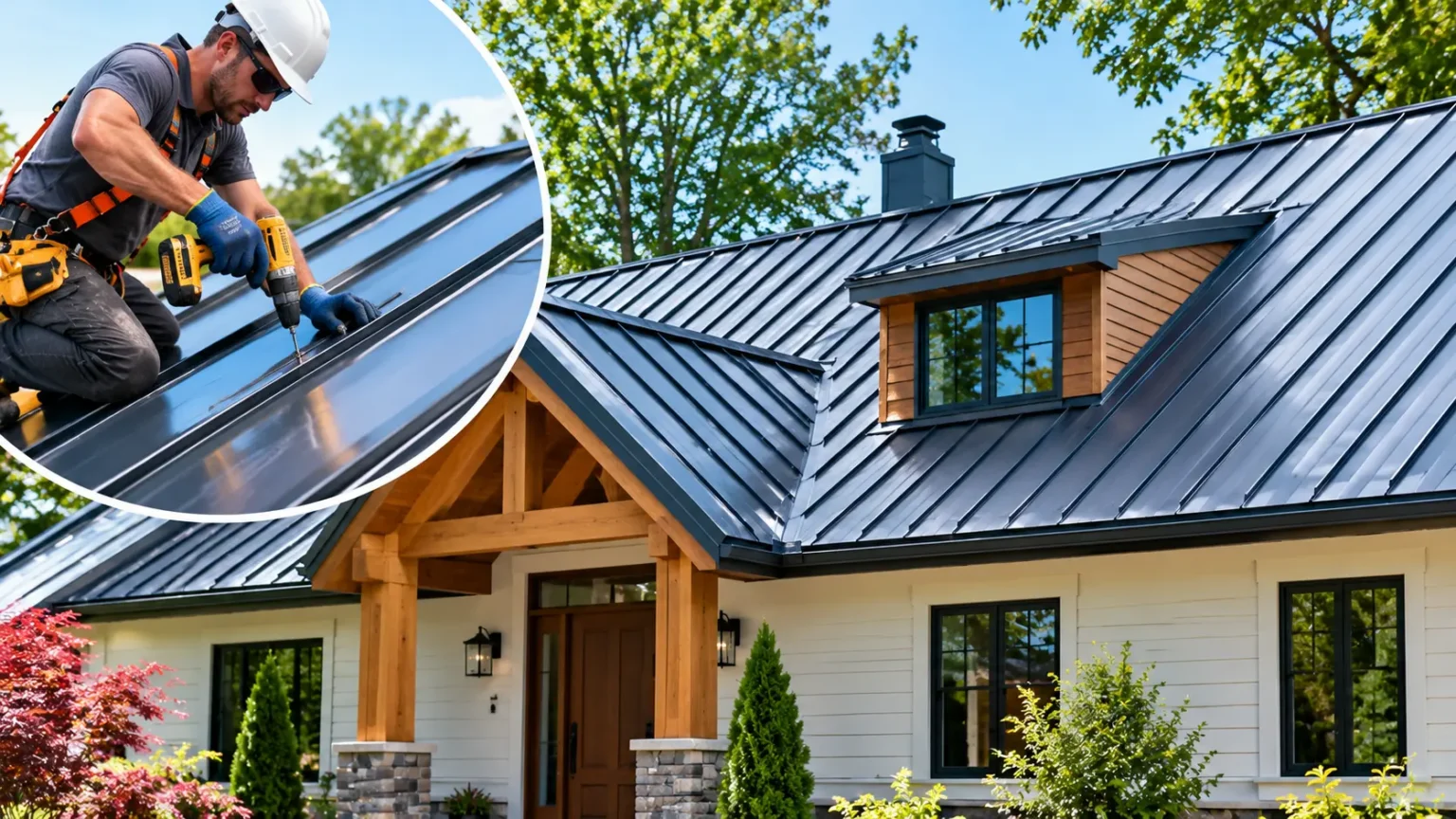
A standing seam metal roof is a durable and attractive roofing option known for its raised seams, concealed fasteners, and modern appearance. Homeowners often choose this roofing system because it offers strong weather resistance and a long service life. However, its higher installation cost makes it important to understand the advantages and disadvantages before investing.
Standing seam metal roofing is commonly made from steel, aluminum, zinc, or copper. Its interlocking panels create a streamlined exterior while reducing the number of exposed fasteners. When installed correctly, the system can provide reliable protection against rain, wind, snow, and other weather conditions.
This guide explains standing seam metal roof costs in 2026, including the main benefits, disadvantages, materials, lifespan, and maintenance requirements. You will also learn how it compares with asphalt shingles and other metal roofing systems, what affects installation prices, and whether it is worth the investment.
What Is a Standing Seam Metal Roof?
A standing seam metal roof is a roofing system made from long metal panels connected by raised vertical seams. These seams join neighboring panels while helping manage water runoff. Most standing seam systems use concealed fasteners, creating a cleaner appearance than roofing panels with visible screws.
The raised seams run along the slope of the roof, usually from the ridge toward the eaves. Depending on the product, they may snap together or require mechanical seaming. This design helps create weather-resistant connections while allowing for movement caused by changing temperatures.
Standing seam roofing is available for residential, commercial, and agricultural buildings. Its appearance works especially well with modern and contemporary architecture, although it can complement traditional homes. The final performance depends on panel quality, roof design, fastening systems, and professional installation.
How Does Standing Seam Metal Roofing Work?
Standing seam roofing works by connecting metal panels through raised seams that help direct water away from vulnerable joints. Unlike many exposed-fastener metal roofs, the main panel attachments are typically hidden beneath the seams. This reduces direct weather exposure around many fastening points.
The panels are secured using compatible clips or concealed fastening systems. Some clips allow controlled movement as the metal expands and contracts with temperature changes. This flexibility helps reduce stress on the panels and connections over time.
A complete standing seam roof also includes underlayment, flashing, trim, and suitable drainage details. These components work together to protect the underlying roof structure. The metal panels alone do not guarantee a watertight roof, making proper system design essential.
What Are the Main Types of Standing Seam Metal Roofs?
Standing seam roofing comes in several profiles, including snap-lock and mechanically seamed systems. Snap-lock panels connect through specially shaped edges that engage during installation. They are commonly used on suitable residential roofs where the manufacturer permits this connection method.
Mechanically seamed panels require specialized equipment to fold or secure the panel edges together. Some designs use single-lock seams, while others use double-lock seams for greater weather resistance. These systems may be suitable for certain lower-slope roofs when approved by the manufacturer.
Another category includes nail-flange or nail-strip standing seam panels, which use concealed fastening arrangements. These products may be more economical for some residential applications. However, each design has specific limitations involving roof slope, wind resistance, thermal movement, and installation requirements.
What Are the Benefits of a Standing Seam Metal Roof?
One of the biggest advantages of standing seam metal roofing is its durability. Quality metal panels can withstand many years of outdoor exposure when installed and maintained correctly. Their concealed fastening system also reduces certain maintenance concerns associated with exposed screws.
Weather resistance is another important benefit. Raised seams, compatible flashing, and suitable attachment methods can help reduce the risk of water entering the roof assembly. Many standing seam systems are also designed to perform under demanding wind and snow conditions.
Standing seam roofing offers visual flexibility through different panel widths, finishes, and colors. Its clean lines can complement a wide range of home designs. Some installations also accommodate specialized solar mounting systems without requiring penetrations through the main panel surfaces.
What Are the Disadvantages of Standing Seam Metal Roofing?
The most noticeable disadvantage is the higher initial cost compared with traditional asphalt shingles. Standing seam panels, specialized accessories, and skilled installation often require a larger budget. This can make the system less attractive for homeowners seeking an inexpensive short-term roofing solution.
Installation complexity is another consideration. Incorrect seam construction, fastening, or flashing can lead to water leaks and other problems. Repairs may also be more complicated than replacing individual asphalt shingles, particularly when panels are interconnected.
Standing seam roofs can experience visible waviness, commonly called oil canning, and certain metals may dent during severe hailstorms. Temperature changes can also cause occasional expansion noises. Although these issues do not always affect performance, they should be considered before choosing a product.
How Much Does a Standing Seam Metal Roof Cost in 2026?
In the United States, a standing seam metal roof commonly costs approximately $10–$20 per square foot installed in 2026 for many standard residential projects. Premium materials, complicated roof shapes, and specialized installations can increase costs considerably. Regional labor prices also influence the final amount.
For example, a roof with 2,000 square feet of actual surface area could cost approximately $20,000–$40,000 within that general range. This is an illustrative estimate rather than a contractor quote. The roof’s surface area may be larger than the home’s interior floor area.
The total project price may include panels, clips, underlayment, flashing, labor, and waste disposal. Removing an existing roof or repairing damaged decking can add expenses. Requesting detailed local estimates is the most reliable way to understand your actual roofing budget.
Standing Seam Metal Roof Cost by Size
Roof size is one of the main factors affecting standing seam installation prices. Larger roofs require more panels, accessories, and labor hours. However, complicated shapes can make a smaller roof more expensive per square foot than a larger, simpler roof.
The following estimates use an illustrative installed cost of $10–$20 per square foot for standard residential standing seam systems in the United States.
| Roof Surface Area | Estimated Installed Cost |
|---|---|
| 1,000 sq. ft. | $10,000–$20,000 |
| 1,500 sq. ft. | $15,000–$30,000 |
| 2,000 sq. ft. | $20,000–$40,000 |
| 2,500 sq. ft. | $25,000–$50,000 |
| 3,000 sq. ft. | $30,000–$60,000 |
These estimates do not guarantee final pricing and may exclude significant repairs or additional project requirements. Premium copper and zinc systems can exceed these ranges. A professional roof measurement and itemized estimate will provide a more accurate calculation.
How Roofing Materials Affect Standing Seam Costs
Steel is one of the most commonly used standing seam roofing materials because it combines strength with relatively accessible pricing. Coated steel panels are available in numerous colors and finishes. Their corrosion resistance depends on the protective coating, environmental conditions, and proper maintenance.
Aluminum is another popular option, particularly in coastal areas where resistance to corrosion is important. It is lightweight and does not develop red rust like ordinary steel. However, aluminum may cost more and can be more susceptible to certain types of denting.
Copper and zinc are premium alternatives valued for their appearance and long service potential. Both can develop distinctive surface patinas as they age. Their higher material costs, specialized installation requirements, and compatibility considerations make them less common for budget-focused residential projects.
How Long Does a Standing Seam Metal Roof Last?
A properly installed standing seam metal roof can often provide around 40–70 years of service, depending on the material and environmental conditions. Some premium metals may last longer. However, expected lifespan is not the same as a guaranteed warranty period.
Steel roofing performance depends partly on its protective coatings and exposure to moisture or corrosive environments. Aluminum, zinc, and copper have different aging characteristics. Roof slope, ventilation, flashing design, and maintenance also influence how well the complete system performs.
Regular inspections can help identify issues before they become expensive repairs. Fasteners, seams, flashing, and protective finishes should remain in suitable condition. A well-maintained roofing system generally offers better long-term value than one that is ignored after installation.
Is Standing Seam Roofing Better Than Asphalt Shingles?
Standing seam metal roofing and asphalt shingles offer different advantages. Asphalt shingles generally have lower upfront costs and are familiar to many residential roofing contractors. Standing seam systems often cost more initially but can provide a longer service life.
Metal roofing also offers different weather resistance and maintenance characteristics. Concealed fasteners and durable panels may reduce certain repair needs over time. However, roof performance depends on installation quality, local conditions, and the specific materials being compared.
Asphalt shingles may be a practical choice for homeowners with smaller renovation budgets. Standing seam roofing may appeal to those prioritizing long-term durability and appearance. Comparing lifetime costs is more useful than judging either material solely by its initial purchase price.
Standing Seam vs. Corrugated Metal Roofing
Standing seam and corrugated metal roofing are both made from metal panels, but their connection systems differ. Standing seam panels commonly use raised joints and concealed fasteners. Many corrugated roofing systems use exposed screws to secure panels through the metal surface.
Corrugated metal roofing is generally less expensive and may be simpler to install on suitable structures. However, exposed fasteners and washers can require periodic inspection and replacement. Standing seam systems reduce the number of exposed fastening points across the main panels.
Both roofing types can provide reliable performance when correctly designed and installed. The better option depends on roof slope, building use, budget, and weather conditions. Homeowners should compare complete roofing systems rather than assuming every metal roof has identical features.
Is a Standing Seam Metal Roof Energy Efficient?
Standing seam metal roofing can contribute to energy efficiency when the system uses an appropriate reflective finish and is combined with effective insulation. Certain cool-roof coatings reflect more solar energy than conventional dark surfaces. This can reduce roof surface temperatures during sunny conditions.
However, the amount of energy saved depends on climate, roof color, insulation, attic ventilation, and the building’s cooling needs. A reflective metal roof does not automatically produce major utility savings. In colder climates, the overall relationship between roof reflectivity and energy use may differ.
Homeowners should evaluate energy performance as part of the complete roof assembly. Insulation quality and air sealing can be just as important as the outer roofing material. Selecting verified cool-roof products may provide additional benefits where solar heat gain is a significant concern.
Does Standing Seam Roofing Resist Heavy Rain and Snow?
Standing seam systems are designed to direct rainwater down the roof through continuous metal panels. Raised connections can provide effective water resistance when the seams, flashing, and roof slope are appropriate. However, no roofing system is immune to leaks caused by improper installation.
Metal roofing can also shed snow relatively easily because of its smooth surface and thermal characteristics. This can help reduce certain accumulations, although sudden snow movement may create hazards below the eaves. Snow retention systems may be necessary in suitable climates.
Local weather conditions should influence roofing design and product selection. Heavy snowfall, wind-driven rain, and ice formation introduce different requirements. Qualified roofing professionals can identify suitable panels, attachments, and accessories for the building’s location.
Can Standing Seam Metal Roofing Withstand Strong Winds?
Standing seam metal roofing can provide strong wind resistance when engineered and installed according to applicable requirements. Secure panel attachments, appropriate clips, and correctly formed seams help protect the roof during demanding conditions. However, different products have different tested wind-uplift capabilities.
Roof shape, building height, and local wind exposure affect the forces acting on the roof. Corners and edges may experience particularly demanding wind pressures. This makes correct fastening patterns and perimeter detailing essential for reliable performance.
Homeowners in hurricane-prone or high-wind regions should review local building codes and product approvals. A roofing contractor should verify that the selected system meets the required design pressures. Choosing a durable material alone does not replace proper engineering or installation.
Are Standing Seam Metal Roofs Noisy?
A common concern is that metal roofs create excessive noise during rain or hail. However, modern residential standing seam systems are typically installed over roof decking and may include insulation and other layers. These components can reduce noise transmission compared with exposed metal roofing on open structures.
The amount of sound heard indoors depends on the complete roof assembly and building construction. Rain may still produce noticeable noise in some homes. However, the assumption that every metal roof is extremely loud does not reflect the range of modern installation methods.
Temperature changes can sometimes cause clicking or popping sounds as metal components expand and contract. Appropriate clips and fastening details help manage this movement. If unusual noises develop after installation, a qualified contractor can evaluate whether the system is functioning correctly.
Can You Install Solar Panels on a Standing Seam Roof?
Standing seam metal roofs can work well with certain solar panel mounting systems. Specialized clamps can attach to compatible raised seams without drilling through the main roof panels. This can reduce some waterproofing concerns associated with conventional roof penetrations.
However, not every standing seam profile supports the same mounting hardware. Panel thickness, seam geometry, roof structure, and wind loads all influence compatibility. The solar equipment manufacturer and roofing provider should confirm that the attachment system is suitable.
Before installing solar panels, consider the roof’s condition and remaining service life. Proper design should account for equipment weight, structural capacity, and maintenance access. Qualified solar installers and roofing professionals should coordinate the project to protect both systems.
What Maintenance Does Standing Seam Roofing Require?
Standing seam metal roofs generally require less routine attention to exposed fasteners than traditional screw-down metal systems. However, they are not completely maintenance-free. Periodic professional inspections can help identify damage, loose accessories, or deteriorating flashing.
Roof valleys, drainage areas, and penetrations deserve particular attention because debris and standing water can create problems. Protective coatings should also be monitored for damage or unusual deterioration. Any cleaning should follow the manufacturer’s recommendations to avoid damaging the roof finish.
Homeowners should not walk on a metal roof without appropriate professional safety measures. Metal surfaces can be slippery, and roof access creates significant fall hazards. Hiring qualified roofing professionals for inspections and repairs is the safer approach.
What Causes Oil Canning on Metal Roofs?
Oil canning refers to visible waviness or slight distortion in the flat areas of metal roofing panels. It is a common appearance concern with standing seam systems, particularly those featuring wide, smooth surfaces. The effect may become more noticeable under certain lighting conditions.
Several factors can contribute to oil canning, including manufacturing stresses, thermal movement, substrate irregularities, and panel installation. It does not automatically indicate that the roof is leaking or structurally defective. However, pronounced distortion may deserve professional evaluation.
Some manufacturers offer textured or striated panel designs that make waviness less noticeable. Correct substrate preparation and installation practices can also help manage the appearance. Homeowners should discuss aesthetic expectations with their contractor before selecting a particular panel profile.
How Does Standing Seam Metal Roof Installation Work?
Professional standing seam installation begins with evaluating the existing roof and confirming that the structure can support the chosen system. Contractors inspect the decking, roof geometry, drainage details, and ventilation requirements. Damaged underlying materials may need repair before new roofing is installed.
The installation system typically includes suitable underlayment, edge details, metal panels, attachment clips, and flashing. Panels are secured and connected using methods approved for the chosen profile. The exact procedures vary between snap-lock, mechanically seamed, and other concealed-fastener designs.
Roof installation requires specialized training and fall protection because working at height presents serious risks. Improper work can also compromise waterproofing and manufacturer warranties. A qualified, insured roofing contractor should handle installation rather than treating a complete metal roof replacement as a basic DIY project.
How to Choose the Best Standing Seam Roofing Contractor
Choosing an experienced contractor is essential because installation quality strongly influences roof performance. Look for professionals with documented experience installing the specific standing seam system you are considering. Manufacturer training, appropriate licensing, and insurance are also important considerations.
Request a written estimate explaining the panels, metal thickness, finish, fastening system, flashing, and underlayment. The quote should also identify removal costs, potential decking repairs, and warranty coverage. Comparing these details helps reveal differences that may not be obvious from the total price.
Ask about previous projects, local building requirements, and how unexpected repairs are handled. A reliable contractor should explain the installation approach and answer questions clearly. Selecting a qualified installer is often more valuable than choosing the lowest quote without examining the proposed materials.
Is Standing Seam Metal Roofing Worth the Investment?
Standing seam metal roofing can be worth the investment for homeowners who prioritize durability, weather resistance, and long-term performance. Its concealed fastening system and distinctive appearance offer advantages over some traditional roofing materials. However, the initial installation cost may be difficult to justify for every property.
The financial value depends on how long you plan to own the home, local repair costs, and available roofing alternatives. A longer-lasting roof may reduce the frequency of future replacements. Still, premium installation costs are not automatically recovered through increased property value or lower energy bills.
Before deciding, compare complete estimates for standing seam roofing and suitable alternatives. Consider climate, roof complexity, material warranties, and expected maintenance. The best choice is the roofing system that meets your home’s needs while remaining realistic for your budget.
Conclusion
A standing seam metal roof offers durability, a clean appearance, and weather-resistant construction through its raised seams and concealed fastening system. When properly installed, it can provide decades of dependable service. These benefits make it an appealing option for homeowners considering a long-term roofing investment.
However, standing seam roofing costs more upfront than many conventional alternatives. Material choice, roof size, installation complexity, and local labor rates can significantly affect pricing. Homeowners should also consider potential oil canning, denting, maintenance, and repair requirements before making a decision.
The best approach is to compare roofing options based on total cost, expected lifespan, climate suitability, and installation quality. Obtain detailed estimates from qualified contractors and review product specifications carefully. With thoughtful planning, a standing seam metal roof can provide reliable protection and lasting visual appeal.
Frequently Asked Questions About Standing Seam Metal Roofs
How Much Does a Standing Seam Metal Roof Cost?
In 2026, standard residential standing seam metal roofing in the United States commonly costs around $10–$20 per square foot installed. Premium materials and complex projects may cost more.
How Long Does a Standing Seam Metal Roof Last?
A properly installed and maintained standing seam metal roof can often last approximately 40–70 years. Actual longevity depends on the metal, protective coating, weather conditions, and installation quality.
Is a Standing Seam Metal Roof Better Than Shingles?
Standing seam roofing often provides longer service life and different weather-resistance benefits, but it costs more initially. Asphalt shingles may be more practical for homeowners with limited renovation budgets.
What Are the Disadvantages of Standing Seam Roofing?
The main drawbacks include higher installation costs, specialized labor requirements, potential oil canning, and sometimes complicated repairs. Certain metal panels may also dent during severe hailstorms.
Does a Standing Seam Metal Roof Increase Home Value?
A standing seam metal roof may appeal to buyers because of its durability and appearance. However, the impact on resale value varies by location, property condition, housing market, and installation cost.